

The senior housing sector is experiencing its strongest demand and occupancy rates since before the pandemic. Still, many investors remain anchored to outdated narratives of distress, accord...

6 Common Myths About Investing in Santa Fe, New Mexico Commercial Real Estate

Written by:
Date:
12 Mar 2026
Share via Facebook

Share via Linkedin

Share via X

Copy to clipboard

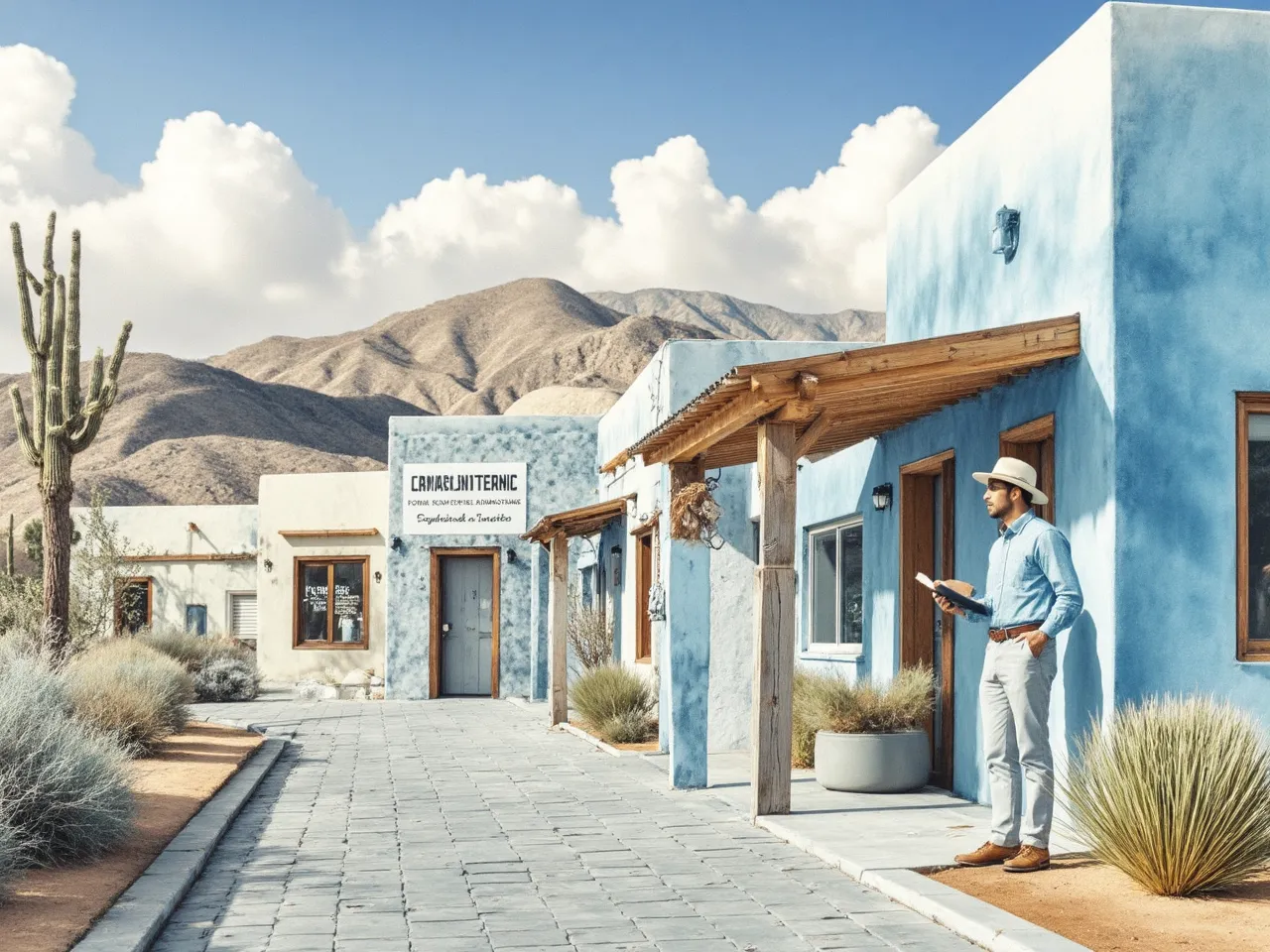
Many would-be investors assume Santa Fe’s commercial real estate market is reserved for deep-pocketed developers or industry insiders. In reality, smaller investors are finding viable opportunities, often by setting aside the conventional wisdom that keeps others on the sidelines.
Tai Bixby, a senior associate at Real Estate Advisors LLC and a 20-year veteran of Santa Fe’s commercial market, says the biggest obstacles are misconceptions about how the market actually works. “Residential brokers think that commercial is the same as residential, and it’s really not,” Bixby says. Investors who treat commercial properties like single-family homes often overlook profitable deals or misjudge what is possible.
Here are six common myths about Santa Fe real estate and what actually matters for investors right now.
Myth 1: You Need Millions to Get Started
Small-scale industrial properties are among the city’s most accessible and in-demand assets. Buildings divided into bays of 1,500 to 3,000 square feet are in short supply, and a 10,000 to 20,000-square-foot building with multiple tenants can produce high, stable income. Rents for these spaces have climbed steadily, outpacing many other commercial sectors.
Rather than targeting a single large tenant, focus on multi-bay industrial properties where you can lease to several small businesses. This approach spreads risk and taps into persistent demand from local trades and service providers.
Myth 2: Santa Fe Is Only for Luxury Buyers
Santa Fe’s reputation as a luxury destination attracts high-net-worth buyers, but the market is broader than it appears. Investors are finding solid returns at lower price points, especially in short-term rentals such as duplexes, triplexes, and well-located single-family homes. Even as the city has tightened regulations on vacation rentals, tourism continues to grow, and lodging tax receipts have increased each year since the pandemic.
Target properties near Santa Fe’s tourist core that can legally operate as short-term rentals. Strong visitor demand keeps these units profitable, and the city’s steady flow of tourists drives consistent occupancy.
Myth 3: You Can’t Make Money Without Local Connections
While local relationships can help, commercial real estate in Santa Fe is driven by financial analysis, not insider access. Investors who understand cap rates, lease terms, and tenant quality are best positioned to identify profitable deals. “The language of commercial real estate is math,” Bixby says. “It’s not about people’s feelings or opinions.”
Learn to read financial statements and evaluate properties based on cash flow and risk, not just location or aesthetics. In a non-disclosure state like New Mexico, work with brokers who can provide reliable lease comparables and market data.
Myth 4: The Office Market Is Declining Everywhere
National headlines about empty office buildings do not reflect Santa Fe’s reality. Vacancy in the downtown core remains low, at just 5 to 6 percent, and citywide rates are still under 8 percent. Landlords are not offering major concessions, and well-located office buildings continue to sell at relatively low cap rates, reflecting steady demand.
For investors considering office properties, prioritize buildings with a mix of tenants and strong lease terms. Monitor the impact of the state’s new office campus, which could shift where tenants want to be and affect future vacancy patterns.
Myth 5: Historic Preservation Rules Make Development Impossible
Santa Fe’s historic districts have strict preservation guidelines that add time and cost to development. These rules also protect the city’s unique character, which is one of the main drivers of local demand. The architecture and cultural atmosphere attract both tourists and new residents, supporting long-term property values.
For development or renovation in the historic core, budget additional time and money for approvals. For faster timelines and fewer restrictions, consider projects on the city’s south and west sides, where development is more straightforward and demand for new space remains strong.
Myth 6: You Should Wait for Prices to Drop
Santa Fe’s property values are historically stable, even during broader economic downturns. The market saw little volatility during the pandemic, and distressed sales were limited. Waiting for a major price drop usually means missing out on properties that already meet your investment criteria.
Rather than waiting for a hypothetical discount, focus on what you can afford and the cash flow needed to achieve your goals. If a property fits your financial requirements today, it is often wiser to move forward than to wait for a downturn that may never come.
What Actually Matters When Investing in Santa Fe
To succeed in Santa Fe’s commercial market, investors should set aside these myths and focus on three core strategies.
Know your numbers. Analyze expected returns, not just purchase prices. Understand cap rates, lease structures, and all operating expenses to accurately assess risk and potential income.
Understand the local market. Santa Fe’s commercial sector is small and fragmented. Work with a broker who tracks lease expirations, tenant movements, and off-market listings to identify opportunities before they reach the broader market.
Target underserved niches. Demand is especially strong for small-bay industrial space, multifamily land, and short-term rentals. “There’s tremendous unmet demand for apartments in Santa Fe,” Bixby says. About 3,500 new units have been delivered in the past six years, but the market still needs more to keep pace with population growth and workforce needs.
Why Santa Fe’s Market Rewards Investors Who Act Now
Santa Fe’s commercial real estate market remains resilient even as national trends point to uncertainty elsewhere. Investors who rely on financial analysis and focus on actual supply-and-demand dynamics are finding opportunities across asset classes, often in places overlooked by larger players. The market’s stability, combined with ongoing growth in tourism and local business activity, means staying on the sidelines could cost investors steady cash flow and long-term appreciation.
Investors do not need to be major developers or have inside connections to succeed in Santa Fe. By understanding the numbers, working with knowledgeable local partners, and targeting real demand, everyday investors can build wealth in one of the Southwest’s most distinctive markets.
About the Expert
Tai Bixby is a senior associate at Real Estate Advisors LLC in Santa Fe, New Mexico. With 20 years of experience in the market, he specializes in office, industrial, and land sales. He holds the CCIM and SIOR designations and has sold multiple properties valued above $10 million.
Similar Articles
Explore similar articles from Our Team of Experts.

Residential Real Estate, Commercial Real Estate, Property Technology, Market Analysis & Policy, Perspectives, Featured Articles
Lancaster, Pennsylvania’s residential market is booming with 10.7% year-over-year home price appreciation and multiple high-rise apartment projects coming online. But according to one ...