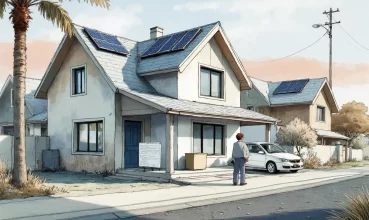

Permanent interest rate reductions funded by sellers are becoming the primary form of negotiation in Tampa Bay’s residential real estate market. This shift marks an apparent change in leve...

Florida’s Gulf Coast Sees Renewed Buyer Activity as Market Conditions Shift

Written by:
Date:
06 Apr 2026
Share via Facebook

Share via Linkedin

Share via X

Copy to clipboard

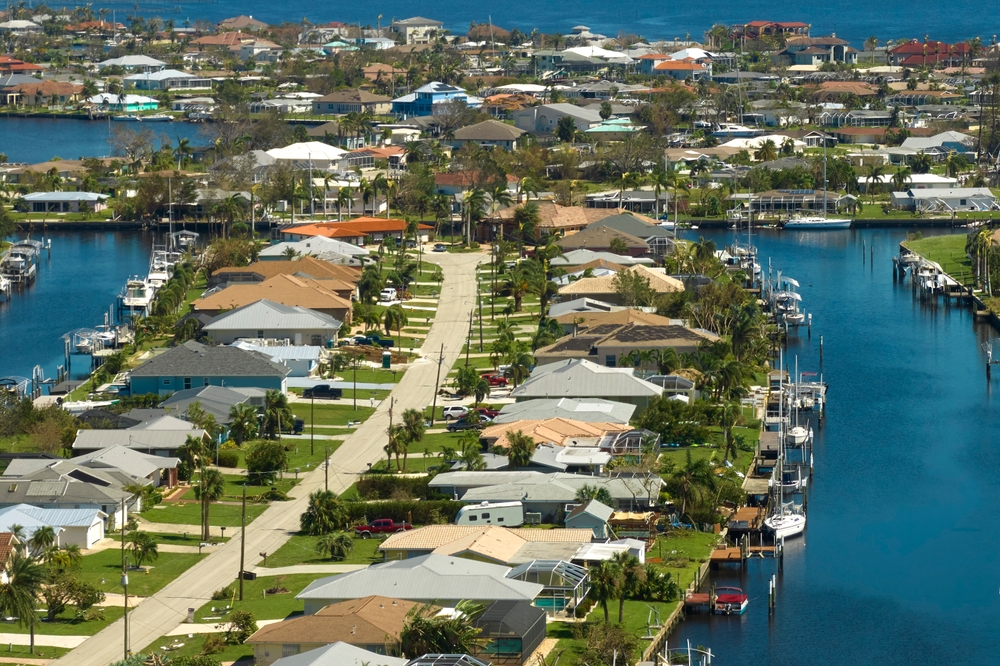
Florida’s Gulf Coast real estate market is entering 2026 with a noticeable uptick in buyer activity and changing preferences, as recent hurricanes and rising insurance costs reshape what buyers want and how deals are structured. After years of rapid appreciation and a strong seller’s market, inventory is building and negotiations are more balanced, creating new opportunities for buyers and investors willing to adjust their approach.
Jennifer Kenna, leader of a 55-agent team at Jennifer Kenna Home Selling Team, brokered by eXp Realty on the Gulf Coast, has seen these changes firsthand. In 2025, her group sold about 300 homes with 30 active agents, and she expects further growth as the market continues to evolve. “It’s changed a lot from the 2020 days when there were multiple offers and houses not available, lots of demand and not as much inventory,” Kenna says. “Now things are sitting longer in the market. We’re about 100 days average on the market, but we still have properties that are in good condition, good location, and are still getting multiple offers.”
Environmental Impact
Two years after a major hurricane struck the region, the effects are still shaping buyer decisions. Many buyers are now wary of waterfront properties and condominiums with high monthly fees, especially those tied to rising insurance premiums. Instead, demand has shifted toward single-family homes and inland communities such as Lakewood Ranch, which offer perceived safety and lower exposure to storm risks.
Kenna notes that while island homes are still selling, more buyers now prefer to be inland. “A lot of people are really turned off from waterfront properties, turned off from condos that have high HOA fees covering their insurance premiums,” she explains. This retreat from the coast is especially pronounced among buyers relocating from northern states who are less accustomed to hurricane risk and Florida’s unique insurance landscape.
The condominium sector has been hit particularly hard. Listings often linger for eight or nine months, and higher insurance costs — driven partly by post-Surfside regulatory changes — have forced many condo associations to increase monthly fees. These higher costs have slowed sales and discouraged some buyers from considering condos at all.
Kenna remains cautiously optimistic that 2026 could see some relief. If insurance costs stabilize and condo associations reduce fees, she expects demand for these properties to rebound. “I do have hope this year. We can get some of those insurance costs down, let the HOA fees recover and come down some more, see some tweaking on the Surfside law,” she says.
Insurance Costs
Rising insurance premiums are now a central concern in nearly every real estate transaction along the Gulf Coast. Buyers increasingly request insurance quotes before making offers and are scrutinizing hurricane-resistant features such as impact windows, newer roofs, and elevation above flood zones. “We’re getting a lot of insurance quotes before we write offers, so we have seen a huge interest in that,” Kenna says.
Condominiums face the steepest challenges, as insurance costs are shared among all unit owners and have risen sharply with fewer carriers remaining in the Florida market. This has made many buyers hesitant to purchase in buildings where monthly fees are unpredictable and likely to increase further.
Single-family homes, especially those built to newer codes or located further inland, are less affected by these insurance spikes. As a result, they’re attracting more attention from both primary buyers and investors, who see an opportunity to avoid the volatility associated with coastal condos.
Investment Activity Rises
Market disruption has created openings for investors and experienced buyers, especially in segments that others are avoiding. Kenna’s team maintains a database of 200 to 300 investors actively seeking off-market deals, particularly properties that need repairs or have been overlooked by traditional buyers.
“For buyers that know what they’re doing, there’s plenty of opportunity,” Kenna says. “We do a ton of off-market deals. We find somebody who wants a cash offer on their home, doesn’t want to do the repairs.”
Waterfront properties damaged in previous storms have become a particular focus for investors, who are betting that the risk of another major storm in the near future is low and that repairs can deliver significant upside. Kenna points out, “Anything that was waterfront, there are a lot of things that were damaged from the storm, so somebody wants to be on the waterfront while everyone else is running from that. I think we had a 100-year storm that’s never happened before. The likelihood of it happening again is very low.”
Clarifying Community Development District (CDD) Fees
One recurring obstacle in the market is buyer confusion about Community Development District (CDD) fees in newer developments. These fees fund infrastructure and amenities in master-planned communities and are paid through property taxes. Buyers unfamiliar with Florida’s system often balk at the extra charge, not realizing it supports new roads, parks, and utilities that older neighborhoods may lack.
People are afraid of CDD fees. We hear that a lot,” Kenna says. The education process involves helping buyers understand that these fees reflect the benefits of living in a new, well-maintained community, rather than an arbitrary cost.
Outlook for 2026
Despite headwinds from insurance costs and environmental risks, Kenna is optimistic about the Gulf Coast’s prospects in 2026. Industry data from sources such as Zillow ranks the region among the top three hottest markets for the year, reflecting continued migration, desirable climate, and a steady influx of buyers from other states.
“We actually are a Zillow partner, so we get a lot of data from them,” Kenna says. “We are actually in the top three of the hottest markets for 2026, so we still have a lot of demand that’s coming to this area.”
Florida’s seasonal influx of buyers during the winter months remains a core driver of activity. The contrast between Gulf Coast weather and colder northern states draws a steady stream of second-home and relocation buyers, helping to sustain demand even as market conditions normalize.
As the Gulf Coast real estate market adjusts to higher insurance costs, shifting buyer preferences, and the lingering effects of recent storms, the path forward favors those who are well-informed and adaptable. The days of automatic bidding wars and rapid sales are over, replaced by a market where thorough due diligence, creative deal-making, and clear communication about fees and risks are essential.
For buyers, the current environment offers new negotiating power and a wider range of choices, provided they are prepared to navigate insurance hurdles and understand the true costs of ownership. For investors, overlooked segments such as damaged waterfront homes and off-market deals present real opportunities for those with the resources and expertise to act decisively.
Agents who can educate clients, manage expectations, and adapt to rapidly changing conditions are best positioned to succeed. As Kenna’s experience shows, the Gulf Coast remains an attractive market for those willing to engage with its new realities — and a place where both buyers and sellers can find value if they approach the process with clear eyes and sound strategy.
This article is based on information provided by the expert source cited above. It is intended for general informational purposes only and does not constitute legal, financial, or real estate advice. Readers should conduct their own research and consult qualified professionals before making any real estate or financial decisions.
Similar Articles
Explore similar articles from Our Team of Experts.