


Zach Lemaster, Founder and CEO of Rent to Retirement, says his early mistakes in real estate investing taught him hard lessons about the perils of trying to manage everything alone, especial...

Midwest Secondary and Tertiary Markets Attract Industrial Buyers with Lower Costs and Available Labor

Written by:
Date:
21 Feb 2026
Share via Facebook

Share via Linkedin

Share via X

Copy to clipboard

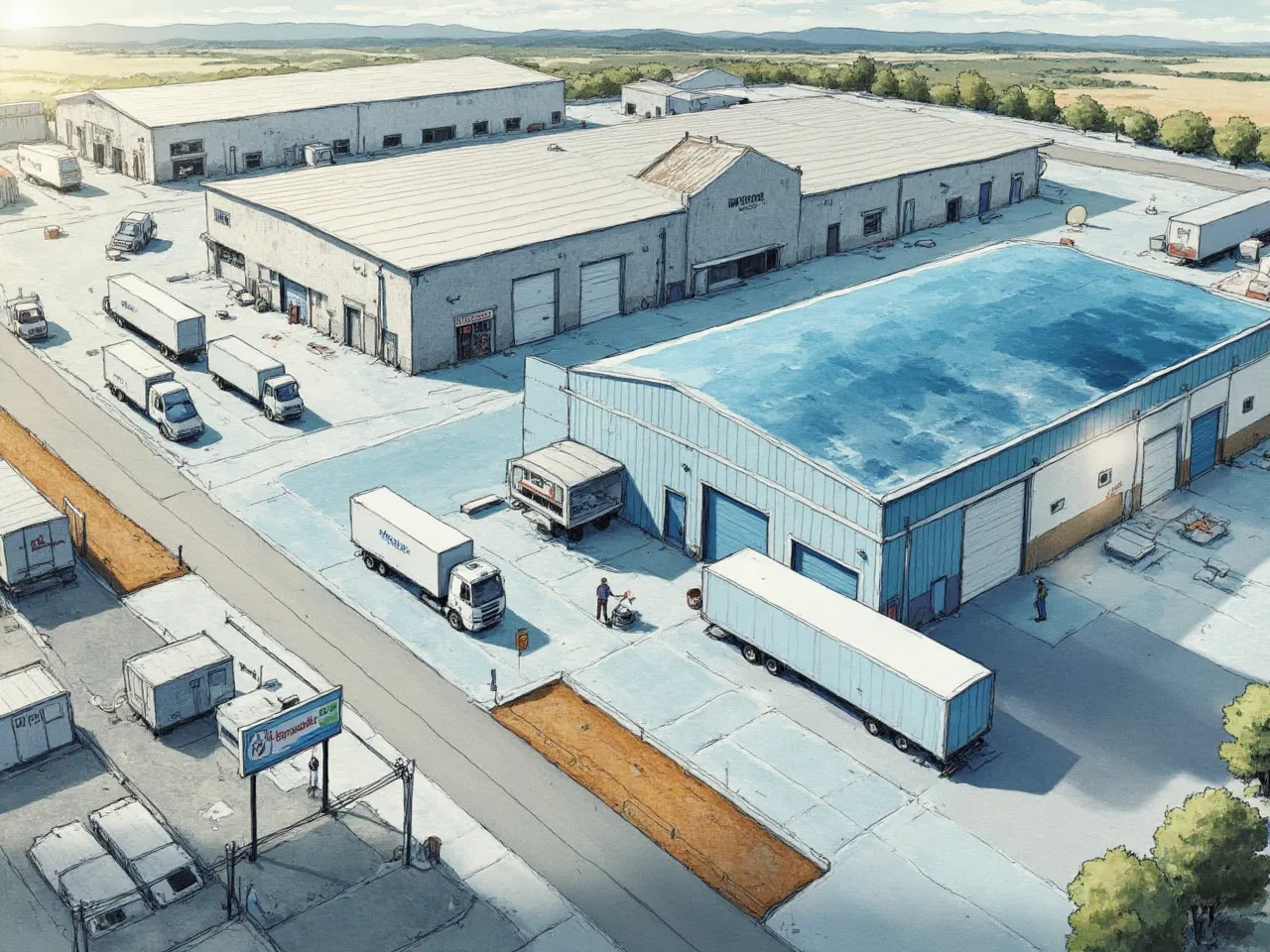
Secondary and tertiary markets along interstate corridors are attracting more interest from manufacturers. These companies are seeking lower property costs and reliable labor pools, advantages that now surpass those in primary markets.
Steve Zuber, Principal at BARBERMURPHY, reports that his firm is seeing a growing number of companies consolidating operations into single facilities in these less urban areas. “A lot of companies that are already in the market are looking to redistribute their operations and make them more efficient,” Zuber says. This often means relocating from multiple sites in major cities to larger, more affordable properties in secondary and tertiary markets.
These markets offer a combination that primary markets increasingly cannot: lower acquisition costs, available industrial space in good condition, and a dependable workforce. According to Zuber, properties with two or three previous owners can often be acquired at relatively low prices while maintaining good physical condition. “You can pick those properties up rather inexpensively. They’re usually in good condition,” he says.
Workforce Availability in Smaller Markets
Workforce availability is a key advantage for industrial users in tertiary markets. This advantage often runs counter to expectations. Many small communities have long histories of manufacturing, and when factories close, the skilled workers remain. Zuber notes that these areas often have a deep pool of experienced employees actively looking for work. “Most of these small communities have factories that have been there for years. If a factory closes, the community will still have many employees seeking work. A reliable workforce is available,” he explains.
Zuber adds that the work ethic in these smaller markets is often stronger than in larger cities. He attributes this to a culture of long-standing industrial employment and a stronger sense of community. “The labor force is strong and sometimes has better work ethics than some of the bigger markets,” he says.
This combination of available labor and affordable property gives companies a distinct advantage when considering expansion or consolidation. It also means that secondary and tertiary markets are no longer simply backup options. They are becoming preferred locations for a growing segment of industrial users.
Pandemic Accelerated the Shift
The shift toward smaller markets accelerated during the COVID-19 pandemic. Companies and workers were seeking to leave densely populated cities. Zuber says interest in tertiary markets was already building before 2020, but the pandemic made the advantages of these areas more apparent. “With COVID happening, bigger cities saw people moving away from the mass population and trying to separate themselves. That’s where the tertiary markets have seen some major growth and interest,” he says.
However, Zuber believes the trend is not just a pandemic response. He argues that companies are fundamentally rethinking their location strategies, with a growing preference for the cost savings and operational efficiencies these markets provide.
Tariff Policy Spurs Domestic Manufacturing
Recent tariff policies have also contributed to rising demand in secondary and tertiary markets. Zuber explains that while tariffs have increased costs for some businesses, others are responding by relocating manufacturing to the United States. “We’re seeing companies set up manufacturing in the U.S. That was the goal of the tariffs — to bring more jobs into the country, and we’re seeing that with certain manufacturers establishing operations in these markets,” he says.
This shift is creating new demand for industrial properties outside major metropolitan regions, especially in areas with available infrastructure and workforce.
Local Knowledge Is Essential
Success in tertiary markets, Zuber emphasizes, depends on more than simply identifying inexpensive properties. Firms need a deep understanding of local conditions and relationships. BARBERMURPHY addresses this by hiring brokers who are native to the regions they serve and who are actively involved in local economic development. “We’ve hired brokers who are homegrown, from the area, interwoven within the communities, know the history of the region, and know how to get things done,” Zuber explains.
These brokers participate in chambers of commerce and economic development organizations, serving on committees and executive boards to stay connected to local priorities and opportunities. This approach goes beyond transactional brokerage, focusing on building long-term relationships within the community.
BARBERMURPHY’s Expanding Footprint
BARBERMURPHY’s strategy has produced strong results. The firm started in southwestern Illinois, including Madison and St. Clair counties. It now covers a territory from Champaign to Jacksonville and across southern Illinois, extending into Missouri along key interstate routes.
In 2025, the firm’s 25 brokers generated $141 million in gross sales, which Zuber calls a record year. The success reflects growing recognition among manufacturers that secondary and tertiary markets offer lasting economic advantages for industrial operations.
As companies continue to seek greater efficiency and resilience in their supply chains, the competitive edge provided by affordable properties and strong local labor pools in these markets is likely to remain a key driver of industrial real estate.
Similar Articles
Explore similar articles from Our Team of Experts.



Perspectives, Commercial Real Estate, Market Analysis & Policy, Real Estate Investment, Industry News, Featured Articles
Property expert says economic development initiatives are creating unexpected retail opportunities in secondary markets. A wave of semiconductor manufacturing investment is reshaping the ret...

