
Industry veteran Sergio Grado, who has worked across Houston, Dallas, Austin, and San Antonio for over two decades, says Texas’s major real estate markets now face distinct challenges that...

South Florida Mixed Use Projects Shift Beyond Retail, Says RSP Architects Expert

Written by:
Date:
17 Feb 2026
Share via Facebook

Share via Linkedin

Share via X

Copy to clipboard

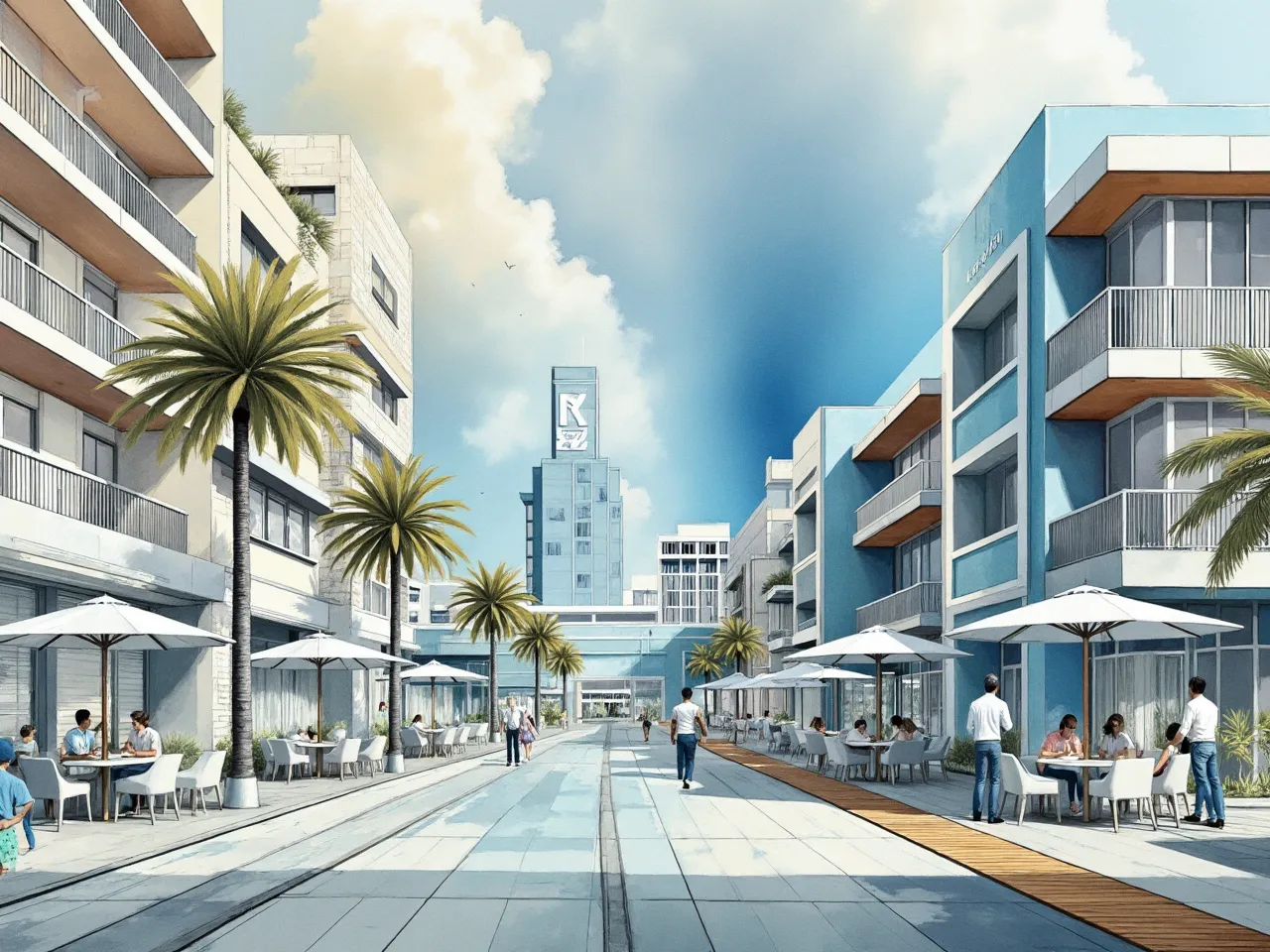
South Florida’s mixed-use developments are evolving from retail-driven centers into modern city plazas, where retail serves a supporting role. According to Nicolas Pinzon, Associate Principal at RSP Architects, this shift reflects a new understanding of how these developments should function in urban life.
Pinzon, who joined RSP’s Miami office four months ago and has three decades of international experience, says the region’s approach to mixed-use projects is fundamentally changing. “Retail is no longer the main activity in this project,” Pinzon says. “It’s something that supports experiences, and that supports other kinds of activities.”
This marks a clear break from the traditional shopping center model that shaped South Florida for decades. Instead of merely placing residential units above stores, developers are rethinking the overall purpose of these projects.
From Shopping Centers to Community Plazas
Today’s mixed-use projects are designed as gathering places where daily life unfolds, not just shopping destinations. Pinzon believes these developments should function as a city’s main plaza, a central meeting point where people connect, and community life thrives.
Several forces are driving this evolution. The pandemic increased demand for outdoor and flexible spaces, and South Florida’s chronic traffic congestion makes traveling between work, shopping, and social activities difficult for residents. “People spend too much time commuting; it’s complicated to go from one side to the other to meet people,” Pinzon says. By concentrating residential, retail, office, and family activities in one place, developers reduce the need for long commutes and create environments where people can make better use of their time.
This approach solves a practical problem for residents and creates more valuable destinations for developers. Instead of being a place people visit out of necessity, these developments become places people choose to spend their time.
E-Commerce and the Changing Role of Physical Retail
The global impact of e-commerce shapes Pinzon’s view of retail’s evolving role. Traditional retail has been forced to adapt as more sales move online. Still, Pinzon argues that the most critical change has been recognizing that physical retail is an experience, not just a transaction.
Retailers have responded by shrinking sales floors to make room for storage and order pickup, but stores remain relevant. “People still like to go and try a jacket on,” he notes. Many shoppers test products in-store before buying online, but the in-person experience remains a draw.
This change in consumer behavior means that retail alone no longer attracts consistent foot traffic. Instead, successful mixed-use projects must offer a combination of experiences, including dining, entertainment, wellness, and social spaces, that give people reasons to visit beyond shopping. “Retail is there right now to support all those kinds of experiences,” Pinzon explains, rather than being the main attraction.
Coco Walk: A Model for Modern Mixed-Use Development
Pinzon highlights Coconut Grove’s Coco Walk as an example of how this new model works in practice. Once a traditional shopping center, Coco Walk has evolved into a mixed-use project with offices, retail, a gym, entertainment venues, and open-air environments.
The results, Pinzon says, are visible in how the development now serves the community. “Coco Walk has transformed the way this part of the city works right now,” he says. “Coco Walk became the center of Coconut Grove.”
This transformation is about more than adding new uses. It’s about integrating a project into the city’s life so it functions as a central gathering place throughout the day. The redevelopment has turned Coco Walk from a shopping destination into a genuine neighborhood hub.
Impact on New Projects Across Miami
Pinzon notes that this integrated approach is now influencing nearly every project type his firm is designing in Miami. “Even though residential, retail, and hospitality are the main typologies, all of them are becoming mixed-use projects,” he says. Even primarily residential developments now include retail, co-working spaces, and amenities that blur traditional real estate categories.
Developers are recognizing that this model is not only better urbanism but also a stronger business strategy. Projects that offer a mix of experiences and put people at the center are more likely to become destinations in their own right, Pinzon argues. “As much as you can create new experiences and have projects that are part of the city and that provide this kind of experience to people, understanding that people are the center of the projects, they will become destinations in themselves,” he says.
Will the Plaza Model Become the Norm?
The adoption of this plaza-centric approach in South Florida may depend on the continued success of early examples such as Coco Walk. Pinzon’s firm is currently developing several projects that embrace this philosophy, including a significant mixed-use development near Disney in Orlando that combines entertainment, retail, and hospitality but omits residential units.
The industry is watching to see whether prioritizing experience over traditional retail metrics yields greater long-term value and sustained foot traffic. As more developers see that retail alone no longer guarantees success, the move toward creating urban hubs with diverse activities is gaining momentum.
Looking Ahead: The New Blueprint for Mixed-Use
For South Florida, this shift comes at a time when population growth, changing work habits, and consumer preferences are putting pressure on old development models. Mixed-use projects that function as city centers — offering a blend of convenience, community, and experience — are increasingly seen as the answer to both urban challenges and market demands.
Pinzon’s perspective suggests that, as developers continue to adapt, the future of mixed-use in South Florida will be defined less by shopping and more by how these spaces support daily life. If recent trends continue, the city plaza may once again become the heart of urban living. But this time, shaped not by retail alone, but by the full spectrum of experiences that make a neighborhood thrive.
Similar Articles
Explore similar articles from Our Team of Experts.