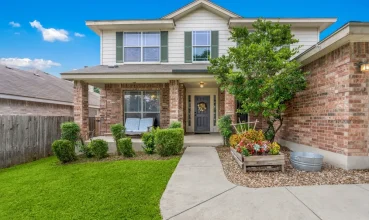

The coastal real estate market in Coronado, California, stands out for its resilience and stability at a time when many U.S. markets have faced volatility. This small island city, just acros...

Mixed-Use Development in South Florida: How Global Trends Are Reshaping the Region’s Urban Landscape

Written by:
Date:
09 Feb 2026
Share via Facebook

Share via Linkedin

Share via X

Copy to clipboard


South Florida’s approach to mixed-use development is changing rapidly, shaped by new consumer expectations, economic pressures, and lessons from international markets. Developers in the region are adopting more complex strategies to respond to regulatory shifts and adapt to a market that now demands more than a blend of residential, retail, and office space.
Nicolas Pinzon, Associate Principal at RSP Architects’ Miami office, a leading national retail master-planning and design firm, has spent three decades working across Europe, Latin America, and now South Florida. He sees firsthand how mixed-use models succeed or fail based on their connection to the broader city.
“In every country I’ve worked, retail and mixed-use projects must become part of the city itself,” Pinzon says. “They’re no longer isolated destinations for a single purpose.”
The Rise of Experience-Driven Destinations
The most significant change in mixed-use development is the shift from transaction-based retail to experience-driven spaces. This trend is global, but South Florida’s climate gives it a distinct advantage.
After the pandemic, demand for outdoor environments surged. Pinzon points out that in South Florida, “you can be outside 80% to 90% of the year,” allowing for open-air plazas, promenades, and event spaces that would be difficult to maintain elsewhere.
Developers are responding by designing projects that combine shopping, dining, entertainment, and recreation within a single walkable environment. Pinzon says retail has shifted from being the main attraction to something that “supports experiences and other activities.” Today’s mixed-use properties are designed to function as modern versions of a city’s main square, places to gather, socialize, and participate in community life.
Tackling Urban Sprawl with Integration
South Florida’s history of car-dependent development has resulted in long commutes and fragmented neighborhoods. Mixed-use projects offer a direct response by clustering homes, offices, shops, and entertainment in single locations.
“There’s so much urban sprawl that people spend too much time commuting,” Pinzon notes. By bringing together residential, retail, office, and family activities, these developments reduce travel times and create more walkable environments.
This approach not only addresses quality-of-life concerns but also aligns with urban planning goals to limit congestion and make cities more livable as populations grow.
Regulatory Shifts: The Impact of the Live Local Act
Recent changes in state policy, especially Florida’s Live Local Act, are reshaping the economics of mixed-use projects, like the RSP projects at 824 Alton and in the Edgewater neighborhood for developer Crescent Heights. The law allows developers to increase density when building workforce housing, making it easier to add affordable apartments within larger developments.
Pinzon says his team is now working on several projects under the new rules. “It’s a new approach to residential projects here, but once you understand the objectives behind the coding, you can make it work,” he says.
This regulatory change has forced developers to balance affordability requirements with financial feasibility. Many projects that might have been solely residential are now adding retail and amenities to attract a broader range of residents and improve project economics.
Developers must ensure that every component of a mixed-use project, housing, retail, office, and amenities, contributes to both the community and the bottom line. “Behind any of these projects, there’s an economic part that has to work for both the developer and the city,” Pinzon says.
Reinventing Retail in the Age of E-Commerce
The growth of online shopping has not eliminated the need for physical retail, but it has changed the role and layout of retail spaces in mixed-use projects. Rather than focusing on large sales floors, today’s retailers prioritize experience, convenience, and integration with other uses.
“Retail wasn’t eliminated by e-commerce,” Pinzon explains. “The change was realizing that retail is an experience.”
Practical changes include shrinking the footprint of large stores, subdividing big-box spaces, and adding more storage and pickup areas to accommodate online orders. The retail component now serves as both an anchor and a complement to entertainment, food, and wellness offerings.
“Some retailers have reduced their spaces within shopping centers, and big boxes are being subdivided to accommodate new tenants,” Pinzon says. This shift enables developers to create a more dynamic tenant mix and keep retail relevant even as shopping habits evolve.
Developer Priorities: Balancing Cost, Timing, and Market Fit
Cost remains the primary concern for developers, but the conversation has broadened. Today’s projects require careful attention to timing, regulatory compliance, and market positioning.
“Cost and budgetary problems are always at the top of the list when designing,” Pinzon acknowledges. But success depends on more than just staying within budget. Retail projects, in particular, are sensitive to timing. Leasing plans and construction schedules must align with market demand; otherwise, a project risks missing its window.
“If you develop a good leasing plan and architectural program at the right time, the project can succeed,” Pinzon explains. “But if there are delays or obstacles, the outcome can change completely.”
Planning for Market Resilience
Despite economic headwinds in other regions, demand for new development in South Florida remains strong. Developers are still planning projects for delivery in 2027 and 2028, confident that population growth and migration trends will support continued absorption.
“South Florida is still growing,” Pinzon says. “There’s ongoing demand for housing and retail.”
The office sector is also faring better than expected. In Miami’s Brickell district, new office towers are under construction even as other markets struggle with remote work trends. “When everyone thought offices were done, they’re building more office buildings,” Pinzon notes, underscoring the region’s unique resilience.
International Capital and Cross-Border Influence
South Florida continues to attract investment from Latin American developers, a dynamic that predates the pandemic. This long-standing relationship is based on cultural ties, shared development models, and a mutual understanding of what drives project success in both regions.
“Latin American capital has always been tied to South Florida,” Pinzon explains. “It’s been flowing north for decades.”
These cross-border connections influence not just the flow of money, but also the design and management of projects, with developers importing concepts and strategies proven in other markets.
What’s Next for South Florida Mixed-Use
The future of mixed-use development in South Florida is defined by a shift toward creating destinations that offer a blend of experiences, rather than focusing on single-use buildings. Developers, architects, and investors are increasingly focused on projects that integrate housing, retail, offices, and amenities to support both economic and community goals.
Pinzon sums up the new philosophy: “The main goal is to turn a place into a destination, projects centered on people, experiences, nature, and activities that connect and complement one another.”
For those shaping South Florida’s next wave of development, success will depend on creating environments that meet multiple needs while remaining economically viable. The region’s steady growth, evolving regulatory landscape, and changing consumer preferences all point to a continued emphasis on comprehensive, experience-driven mixed-use projects.
As these trends accelerate, South Florida’s development landscape will likely serve as a model for other fast-growing regions seeking to balance growth, livability, and long-term resilience. Developers who adapt to these new realities and prioritize integrated, people-focused environments are best positioned to thrive in the years ahead.
Similar Articles
Explore similar articles from Our Team of Experts.