“New York hasn’t become particularly affordable now that we’ve essentially outlawed short-term rentals,” according to Bram Gallagher, Director of Economics & Fore...

Beyond Brickell: 3 Miami Neighborhoods Locals Say Are Heating Up

Written by:
Date:
24 Mar 2026
Share via Facebook

Share via Linkedin

Share via X

Copy to clipboard

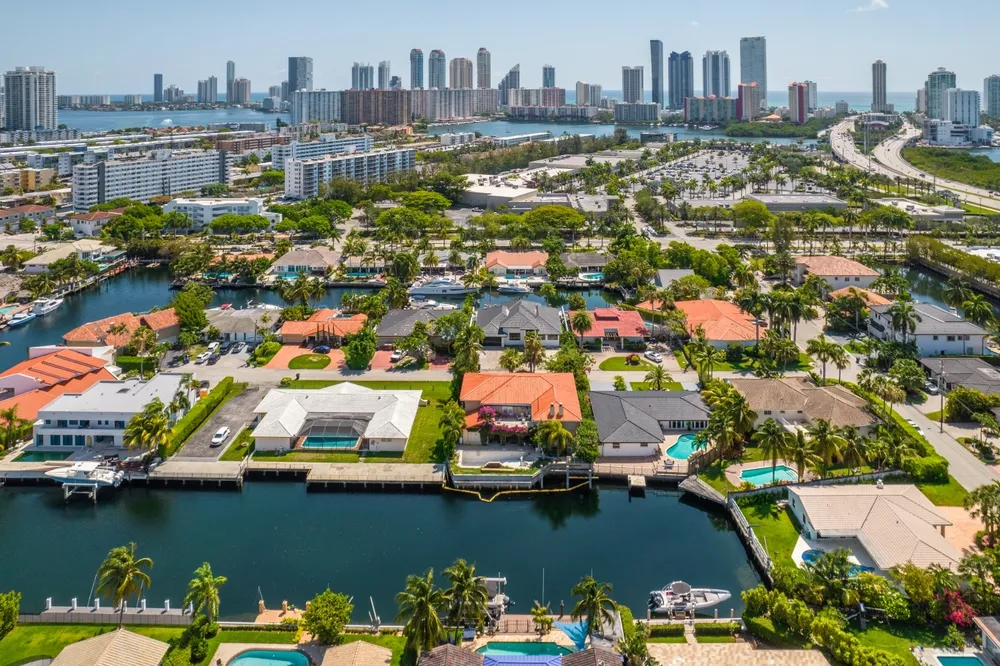
For years, Miami’s real estate spotlight has focused on Brickell and downtown, where prices have soared, and competition remains fierce. But as affordability becomes a bigger hurdle, buyers and investors are expanding their searches. According to local agents and residents, several neighborhoods just outside the city’s core are attracting renewed interest with solid construction, improving amenities, and prices that still leave room for growth.
Here are three areas Miami locals say are gaining momentum, and why now may be the right time to take a closer look.
North Miami
North Miami rarely makes national “hot neighborhood” lists, but that’s part of its appeal for buyers seeking value and stability. The city has invested in infrastructure upgrades along 125th Street, steadily raising the area’s profile. Many homes here were built with concrete block construction and practical layouts, making them attractive to both end users and investors looking for properties to renovate and rent.
“North Miami has really been a good city that’s done a lot low-key,” says Madeleine Romanello, broker associate with Romanello Villar Group. She points to ongoing development and a supply of well-built homes as reasons buyers are increasingly taking notice.
The neighborhood attracts families looking for space and decent schools, as well as investors seeking reliable rental demand. It’s not flashy, but its functionality and proximity to major highways and downtown create a practical alternative to higher-priced areas.
What to do: Focus on recently updated homes or older properties with strong bones that can be renovated. The local rental market is active, and as the city continues to invest in public spaces and retail, long-term appreciation appears likely.
Miami Shores
Bordering some of Miami’s most expensive neighborhoods, Miami Shores offers a quieter, more affordable alternative for buyers priced out of adjacent areas. The community is known for its tree-lined streets, diverse architecture, and easy access to Biscayne Boulevard.
More buyers are turning their attention here, seeking single-family homes without the premium attached to nearby waterfront zones. The pace is less frenzied, but that’s part of the draw—prices remain reasonable, and the area has room to grow as demand spreads outward from the city center.
Romanello notes that Miami Shores presents a good opportunity for buyers willing to look just beyond the most obvious choices. “It’s really a good opportunity to buy something, maybe renovated, and then hold it for rental,” she says.
The location offers quick access to downtown and the beaches, but at a lower price point. As Miami’s population grows, neighborhoods just outside the highest-demand zones often see increased spillover demand and rising values.
What to do: Target homes that need light cosmetic updates rather than major overhauls. The area’s rental market is stable, and patient buyers may benefit from appreciation as interest in the neighborhood grows.
Edgewater and Downtown
While Miami’s single-family home market remains competitive, the condo market in Edgewater, downtown, and Brickell is experiencing a notable correction. Prices have softened due to oversupply, tighter lending standards, and some sellers eager to exit. As a result, waterfront condos — once out of reach for many — are now among the best deals in the city.
Romanello recommends buyers consider waterfront condos with views, especially in Brickell and downtown, as most new development is shifting inland. “That’s all going to be gone,” she says, referring to the scarcity of new waterfront inventory.
With more listings than buyers, sellers are negotiating, offering concessions, and in some cases, reducing prices by 20% to 30% compared to recent years. Buyers who research building inspections, reserve studies, and insurance costs can find strong value, but due diligence is essential.
The key is to focus on buildings that have completed their required structural inspections and have properly funded reserves. These properties are less likely to face surprise assessments and are easier to finance, making them better positioned for long-term value.
What to do: Use the Miami-Dade County condo registry to research buildings before touring. Look for waterfront units in well-managed buildings with up-to-date inspections and solid reserves. Negotiate assertively; many sellers are more flexible now than at any point in recent years.
How to Identify the Next Hot Neighborhood
Spotting an emerging neighborhood before it hits the headlines often comes down to watching for early signals:
- Permit activity: A rise in renovation permits usually signals investor interest and future improvement. Check your county’s building department website for trends.
- New businesses: Openings of coffee shops, gyms, or family restaurants suggest growing demand and confidence from local entrepreneurs.
- Increased activity: More foot traffic at open houses, homes spending less time on the market, and busier streets often precede official data.
- Infrastructure upgrades: New transit lines, bike paths, or improved highway access can quickly boost a neighborhood’s appeal and values.
Why This Matters Now
Miami’s most popular neighborhoods are either overpriced or saturated with inventory, leaving buyers facing tough competition or limited options. In contrast, areas like North Miami and Miami Shores offer solid construction, active rental demand, and prices that haven’t yet reached their peak. Meanwhile, oversupply in the condo market has created rare buying opportunities for waterfront units—something that may not last as the city’s population continues to grow.
Romanello sums it up: “People will step up and buy if the price is correct.” For buyers frustrated by bidding wars or stretched budgets, it may be time to look beyond the obvious and consider neighborhoods where momentum is quietly building.
About the Expert: Madeleine Romanello is a team leader and broker associate with Romanello Villar Group in Miami. She has worked with buyers, sellers, and investors across South Florida for over two decades and specializes in identifying value in changing markets.
This article is based on information provided by the expert source cited above. It is intended for general informational purposes only and does not constitute legal, financial, or real estate advice. Readers should conduct their own research and consult qualified professionals before making any real estate or financial decisions.
Similar Articles
Explore similar articles from Our Team of Experts.

The Art of Pre-Marketing: How FirstTeam® Real Estate Balances Listing Transparency with Client Needs
“I don’t believe a tech platform should dictate how a brokerage operates,” states Michele Harrington, COO of FirstTeam® Real Estate, addressing the ongoing industry debate...