


The real estate and mortgage industries have long been fragmented, forcing consumers to juggle multiple platforms, repeatedly enter the same information, and endure slow, transactional proce...

Bridging the Home Ownership Gap: How Lease-to-Own Programs Are Reaching Underserved Buyers

Written by:
Date:
02 Feb 2026
Share via Facebook

Share via Linkedin

Share via X

Copy to clipboard


The growing housing affordability crisis has made it increasingly difficult for millions of American families to qualify for traditional mortgage financing. According to the National Association of Home Builders, 57% of U.S. households are unable to secure a mortgage. This gap has created both a challenge and an opening for real estate professionals to develop alternative pathways to homeownership.
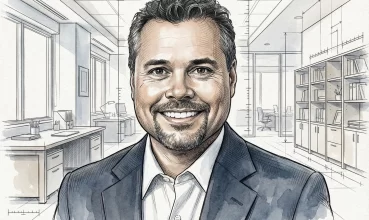
Tamera Nielsen, Co-Founder of Burson Home Advisors, has built her business around serving families who fall outside the boundaries of conventional lending. Focusing on North Carolina’s Raleigh-Durham, Greensboro, and Charlotte markets, Nielsen’s company provides lease-to-own programs designed to help buyers who are shut out of the traditional mortgage market.
“Most agents will ask, ‘Do you have a pre-approval letter or proof of funds?’ and if the answer is no, they walk away,” Nielsen says. “We help those families.”
Understanding Today’s Lease-to-Own Model
Lease-to-own programs have a complicated legacy in American real estate. In the past, many rent-to-own arrangements were loosely structured and often left tenants vulnerable to losing both their deposits and any improvements they made if the agreement fell apart. These programs drew criticism for favoring landlords and exposing buyers to unnecessary risk.
Nielsen acknowledges the problems with earlier models. She recalls a client who lost $90,000 in renovations when the property owner died, and the heirs reclaimed the home because the agreement was not adequately documented. “Most rent-to-own programs were scammy,” she says.
To avoid these pitfalls, Nielsen’s lease-to-own programs are structured with licensed real estate attorneys and comply with state real estate commission regulations. As a licensed agent in both Florida and North Carolina, Nielsen operates under strict oversight. “I always govern myself from a place of integrity and deep care for my clients. Additionally, the laws, rules, and regulations of the North Carolina real estate commission govern me. I can’t break any laws or do anything harmful to the consumer, because I would lose my license—or worse,” she adds.
Who Benefits from Lease-to-Own Programs?
The company’s clients highlight the changing realities facing today’s homebuyers. Several groups find lease-to-own programs especially valuable:
Self-employed buyers make up a significant portion of the clientele. Banks typically require two years of stable tax returns from self-employed applicants, creating obstacles for entrepreneurs and business owners who may have strong cash flow but lack the documentation lenders require.
Relocating homeowners are another significant segment. Nielsen estimates that about 90% of her clients are moving across state lines. Many cannot qualify for a new mortgage while still owning their current homes, and sellers in destination markets rarely accept offers contingent on selling an existing property.
First-time buyers struggling with down payment requirements or credit scores also turn to lease-to-own programs. The arrangement lets them build equity and improve their financial profile while living in the home they plan to purchase.
Life changes create another category of clients. Nielsen describes helping a widow whose credit was damaged by medical bills after her husband’s cancer diagnosis. “Life happens to people. It’s not that they’re irresponsible. Sometimes things happen, a job is lost, a life is lost, or they’re moving across the country to care for a loved one.”
How the Program Works
Burson Home Advisors’ lease-to-own programs are structured to provide tangible benefits beyond a typical rental. Certain programs allow participants to share in the appreciation of the home from the beginning, similar to traditional homeownership. Two of the programs also waive buyer closing costs, which usually equal 2–3% of the purchase price, saving families thousands of dollars.
Importantly, these properties are not distressed or in need of significant repairs. “These are decent, move-in-ready homes, very beautiful,” Nielsen says. “We just moved someone into an over $800,000 home in the Triangle in North Carolina. These are homes for sale on the market by sellers.”
Buyers move in with an explicit, attorney-drafted agreement outlining the path to ownership, the purchase price, and their rights and responsibilities. The structure is designed to address the failings of earlier rent-to-own models and provide genuine security for buyers.
Current Market Dynamics and Migration Patterns
While Nielsen’s primary focus is on North Carolina, she tracks broader migration trends that impact her business. Migration from the northeastern states to Florida has remained strong since the pandemic, with many buyers seeking better weather and lower perceived costs.
However, many newcomers soon find that the cost of living in Florida is higher than expected. “Just because we don’t have state tax doesn’t mean they don’t make it up in other ways,” Nielsen notes.
Insurance is a growing challenge in Florida, especially after a series of hurricanes in areas like Sarasota. The region, which had avoided major storms for decades, has been hit by three significant hurricanes since 2017. This has driven up insurance costs, strained contractor availability, and affected both home prices and the overall pace of the market.
Expanding Agent Knowledge
A lack of understanding among real estate professionals about how properly structured lease-to-own programs work remains a barrier to broader adoption. To address this gap, Nielsen created the Wealth Path Agent Academy™, an online program that hands over her Intellectual Property of her specific business model—every system, every Google visibility strategy, her Red Carpet One & Done Tour™, a Lead-Gen Mastery machine that continues to bring in leads every day for her and her partner’s business. It’s a complete Business-In-A-Box that agents can run with.
Nielsen expects more agents to begin to offer these programs as they learn how they work. “Once agents go through the Wealth Path Agent Academy, they get the knowledge to help families that are currently underserved in this country,” she says.
Why This Matters Now
The timing is critical. With mortgage rates still high by historical standards, affordability remains a top concern for many buyers. Even if rates decline, many borrowers will continue to face barriers related to credit, down payments, or documentation. Lease-to-own programs directly address these issues by removing some of the most common obstacles to homeownership.
Nielsen points out that the program’s benefits — including shared appreciation, waived closing costs, and accessibility for non-traditional borrowers — remain valuable regardless of interest rate trends. “Anyone who can save a few thousand dollars on buyers’ closing costs by working with one of our partners or us, why wouldn’t you do that?” she asks.
Personal and Industry Impact
For Nielsen, the rewards go beyond business success. She describes the personal satisfaction of helping families who believed homeownership was out of reach. “It has been far more rewarding than I could have ever imagined to serve families who do not believe that they have a chance of owning a home at that particular time in their life, and we show them that they can,” she says. “You can’t get that in a commission check or paycheck.”
Implications for the Real Estate Industry
The rise of alternative financing models, such as lease-to-own, reflects a broader shift in how the real estate industry responds to affordability pressures and evolving buyer needs. As more agents learn to navigate these programs, the market can better serve families who are currently locked out of traditional pathways.
For real estate professionals, mastering these models helps expand their client base while addressing a real and growing need. For buyers, especially those facing credit or documentation challenges, lease-to-own programs provide a credible, regulated, and secure path to homeownership.
Looking ahead, the success of companies like Burson Home Advisors suggests that alternative financing models will play a larger role as the industry adapts to changing demographics and persistent affordability challenges. The approach is not just a workaround for high rates or demanding lending standards; it’s a durable solution for families seeking stability and a stake in the housing market and for agents willing to think beyond the traditional transaction.
Similar Articles
Explore similar articles from Our Team of Experts.



The Shrinking Move: How Remote Work and Demographic Shifts Are Changing American Relocation Patterns
The American moving industry is undergoing major changes that go beyond headlines about remote work. Corporate relocations are becoming smaller and less common, while moves driven by individ...

