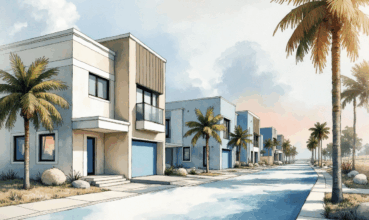

Florida’s real estate market has changed significantly over the past two years. Rising mortgage rates, new condo regulations, and a surge in available homes have shifted the balance of pow...

Good News: Marco Island is Returning to Normal

Written by:
Date:
28 Jan 2026
Share via Facebook

Share via Linkedin

Share via X

Copy to clipboard


The Southwest Florida luxury market has spent the past three years doing something that might look like stagnation: sales volumes have returned to pre-pandemic levels, prices have stabilized, and homes are taking longer to sell. Compared to the frenzy of 2021, this market has lost momentum.
But Mary Bartos, team leader at The Bartos Group of Premiere Plus Realty, argues that these conditions are evidence of a healthy, functioning market. She says the difference between a flat market and a stable one is often misunderstood by those focused only on short-term comparisons.
Bartos highlights a key data point: Marco Island recorded 825 home sales in 2019, before the pandemic. In 2025, that number was 813, a decline of less than 2 percent over six years. The outlier is 2021, when the market saw 1,463 sales, a 77 percent spike that Bartos calls unsustainable.
“Sales have been flat. Flat is good. It’s not bad,” Bartos says. “When you look at 2021, we sold 1,463. So from COVID, we were on fire. We’re back to a very stable market.”
The Pandemic Created Artificial Scarcity
The pandemic years created a surge in demand that had little to do with the actual fundamentals of the Southwest Florida market. Remote workers arrived in large numbers, investors chased appreciation, and first-time buyers competed for a shrinking pool of listings.
Bartos describes the transaction environment during that period as chaotic. Buyers were forced to make decisions almost instantly, often waiving inspections and offering cash to secure deals. Many later regretted these rushed purchases.
According to Bartos, 78 percent of people who bought homes during the pandemic reported dissatisfaction with their decision. Many purchased under pressure, in a market with little inventory and no real price discovery.
One of Bartos’s agents, who moved from the Northeast and bought during the pandemic, recently noted a change in local conversations. In 2021, people in restaurants complained about losing bidding wars. Today, those same conversations focus on regrets about homes bought in haste. As Bartos recounts, “Now we sit at dinner, and we’re hearing people bemoan the house they bought in COVID.”
Inventory Expansion Is a Feature, Not a Bug
Collier County’s inventory has doubled in the past year, rising from 3,762 homes for sale to 7,071. Days on market have increased from 56 to 97. For those who remember the bidding wars of 2021 and 2022, these numbers might seem alarming. Bartos, however, sees this as a positive development.
“It’s really refreshing for buyers to have more choices,” Bartos says. Buyers can now take their time inspecting properties, negotiating terms, and walking away from deals that don’t suit them. This is what a functioning market looks like—one where buyers and sellers interact on more equal footing.
The return to normal also means prices now reflect actual value, not the inflated numbers driven by panic buying. Transactions are based on genuine agreement, not desperation or scarcity.
Condo properties have also shown stability despite new regulations following the Surfside collapse. Over the past three years, condo prices fell from $700,000 to $625,000—an 11 percent correction. Bartos considers this modest, given the stricter inspection and reserve requirements now in place.
“It felt like condos got kind of cooled off,” Bartos says. “But when I look at condo prices for the closing price in that same period of time, it went from 700,000 to 625. It’s not bad. That’s not bad.”
What Flat Actually Means for Investors
For investors, today’s flat market is an opportunity to buy properties at prices that reflect their actual value rather than speculative premiums. With more inventory and less urgency, due diligence and negotiation have become central to the process again.
Bartos says her experienced investors recognize this. One told her, “Mary, I don’t make the money when I sell it. I make the money how I bought it.” That investor owns about ten properties purchased through Bartos’s team, all acquired with careful negotiation in a market where time and choice are back in play.
The broader takeaway is that stability after a period of volatility signals improved market health, not decline. Markets that return to historical norms after a boom are those where price discovery works as it should. In Southwest Florida’s luxury coastal market, this equilibrium has returned.
The Bartos Group, ranked as the 118th real estate mega team in the US by Real Trends, has built its business around helping clients navigate these transitions. With over 40 agents covering Cape Coral through Marco Island, the team emphasizes “real estate advising”—guiding clients through market realities rather than reacting to headlines.
Implications for Other Luxury Markets
Whether other luxury coastal markets will follow Southwest Florida’s example depends on how quickly buyers and sellers accept that the pandemic boom was an exception, not the new rule. The current environment rewards patience and informed decision-making over urgency.
As buyers and investors adjust to this reality, the market’s steadiness is a sign of resilience. Sellers who price realistically and buyers who do their homework are most likely to succeed. In this context, Marco Island’s return to normal is not a warning sign, but a signal that the market is working as it should.
Similar Articles
Explore similar articles from Our Team of Experts.