

A wave of commercial property refinancing challenges is looming as higher interest rates collide with loans made during the zero-rate era, according to Joel Miller, Managing Partner at Wall ...

How Soaring Construction Costs Are Locking Manhattan Office Tenants in Place

Written by:
Date:
29 Jan 2026
Share via Facebook

Share via Linkedin

Share via X

Copy to clipboard

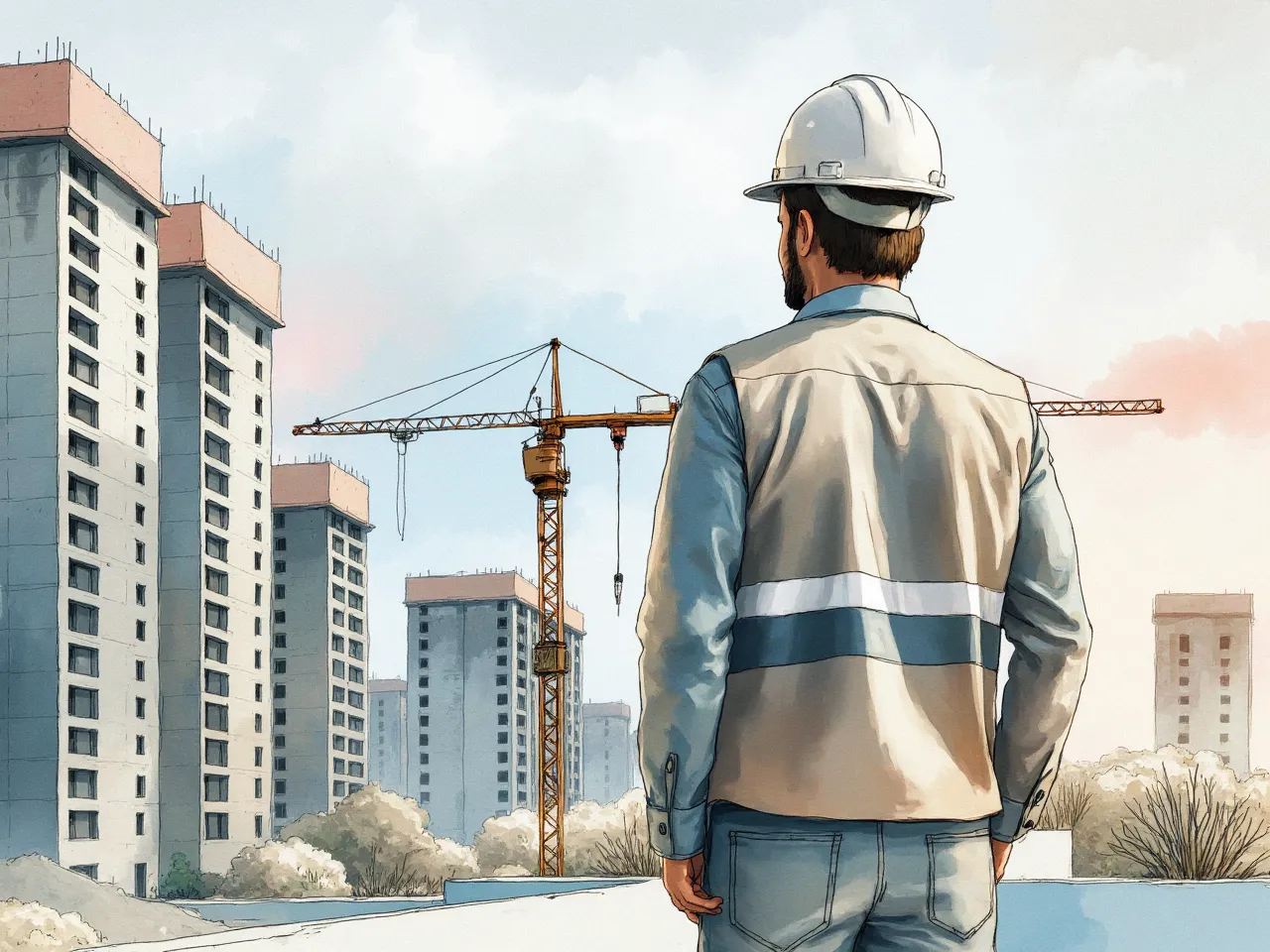
The Manhattan office market is seeing tenants stay put at a rate not explained by workplace trends, but by the economics of construction. According to David Badner, Managing Director at Norman Bobrow & Co., tenants are now far more likely to renew existing leases than relocate, as the costs of building out a new space have reached levels that neither landlords nor tenants can justify.
“Construction costs are so high now, you’re looking at 150, 200 bucks a foot to build out the space,” Badner says. When landlords charge $70 per square foot in rent, the numbers don’t work. “If the landlord is only charging 70 bucks a foot, he’s not going to recoup his money for at least three years just on the work. We’re not even getting to free rent, commissions.”
Why Moving No Longer Makes Financial Sense
For tenants, relocation comes with a price tag that extends far beyond the landlord’s construction contribution. Badner points to a client who routinely seeks out short-term subleases to minimize rent, but still incurs roughly $500,000 in moving costs each time. These expenses include operational disruptions, new furniture, technology setup, and downtime associated with relocating an entire business.
“He takes a sublease, a new sublease, because he’s looking for the cheapest deal. He said that it cost him half a million dollars to move every single time,” Badner says.
The result is that the one-time costs of moving can wipe out any savings from cheaper rent. For companies weighing their options at lease expiration, the math increasingly favors staying, even if the renewal rent is only slightly below market rates.
Landlords and Tenants Find Common Ground
The spike in construction costs has created an unusual alignment between landlords and tenants. Both sides now have a vested interest in renewing leases, even if it means negotiating new terms to make the deal work for everyone involved.
“A lot of them are actually looking to try to stay in their building, because that’s really where the best deal is,” Badner says. “The tenant doesn’t have to spend all this money moving out, but the landlord can just give a little more leeway on that.”
Extended free rent periods have become the primary tool for bridging the gap. Landlords maintain their headline rent—often a lender requirement—but offer tenants additional months of free rent to offset the lack of a new buildout. “Let’s say the landlord needs to show his bank, his mortgage, he’s getting 70 bucks a foot. You could still negotiate maybe two years of free rent on a 10-year lease, and then you average that over the 10 years, and the rent doesn’t seem so bad anymore,” Badner explains.
This approach allows landlords to avoid a significant upfront construction investment, while tenants receive the economic relief they need to justify staying. Both sides sidestep the disruption and expense of relocation.
How the Broker’s Role Has Changed
As renewal deals become the norm, the work of tenant representatives has shifted. Instead of touring new buildings and negotiating first-generation leases, brokers now spend more time structuring complex renewals. These negotiations require input from tenants, landlords, lenders, and service providers, and often focus on financial and operational details rather than square footage or amenities alone.
Badner cites a recent renewal and expansion for EDG Architecture + Engineering, an architectural firm, on 40th Street. The transaction involved not just renewing the firm’s current space but expanding into an adjacent building and physically connecting the two offices. “We were in the low 50s per square foot,” Badner says of the deal completed about a year ago.
Market-Wide Impact of Renewal Deals
The dominance of renewals has broader consequences for the Manhattan office market. Leasing activity appears slower than in previous cycles, not because there’s no demand, but because fewer tenants are moving. As a result, available space lingers on the market longer, and landlords with high vacancy rates have fewer chances to fill empty offices through tenant churn.
For owners of buildings with long-term tenants approaching lease expiration, the current environment presents an opportunity to retain those tenants at rates that might have seemed uncompetitive just a few years ago. The alternative—spending $150 to $200 per square foot on a buildout for a new tenant—makes retention economics far more appealing.
Looking Ahead: Will Construction Costs Dictate the Market?
Whether or not construction costs come down in the next few years will shape the Manhattan office market’s next chapter. If costs remain high, renewal-heavy dealmaking is likely to continue, and landlords will need to get creative with incentives like free rent and flexible terms. If costs moderate, traditional tenant movement and fresh leasing activity may resume.
For now, the high cost of building out new offices is the single most significant factor keeping tenants in place, slowing turnover, and reshaping how deals get done. As Badner puts it, the choice to stay or go is less about workplace trends and more about the simple financial reality: “It costs him half a million dollars just to move.”
Similar Articles
Explore similar articles from Our Team of Experts.