A veteran New Jersey real estate expert argues that determining the right listing price has become increasingly complex, with seller expectations often working against their own interests in...

Why Manufactured Homes Are Outpacing Traditional Starter Homes in Today’s Market

Written by:
Date:
03 Mar 2026
Share via Facebook

Share via Linkedin

Share via X

Copy to clipboard

Heading into 2025, analysts were nearly unanimous: falling interest rates and growing inventory would finally hand first-time buyers their moment. Starter homes under $300,000 would move fast. The entry-level market would boom.
It did — just not where anyone expected.
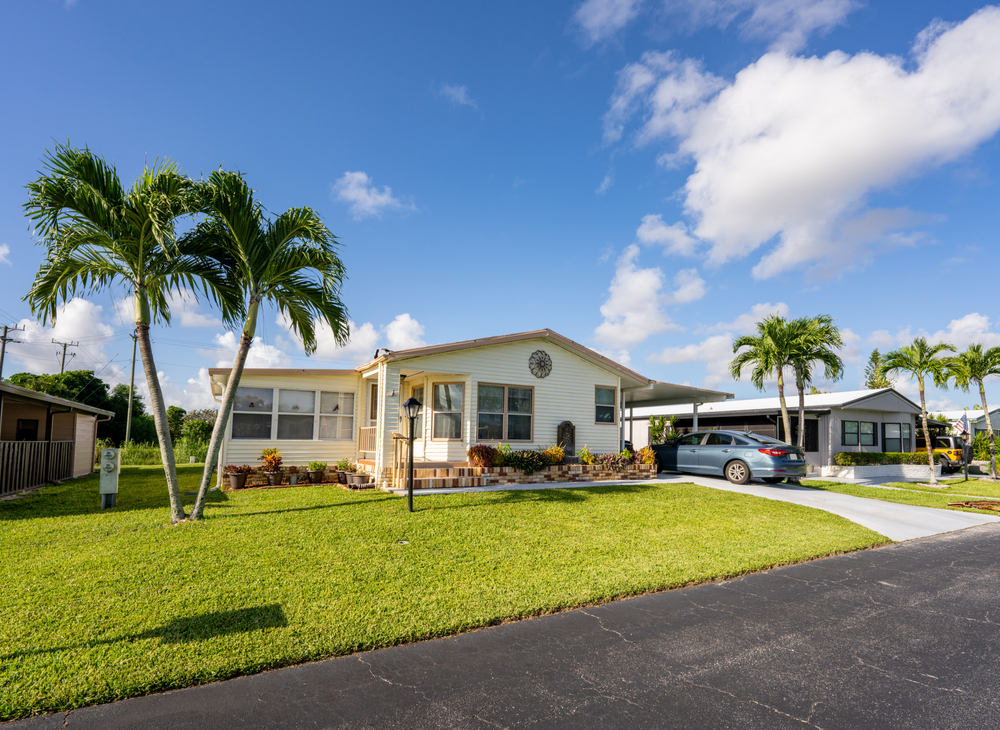
Site-built starter homes are sitting. Meanwhile, manufactured housing communities in Phoenix and Largo, Florida are filling up within days of opening. The buyers who were supposed to rescue the traditional entry-level market have found a different door in.
What the Data Shows
Manufactured homes now sell for an average of $125,000 to $135,000 — about a third of the national median home price. In cities where zoning allows these developments, manufactured homes are often selling significantly faster than traditional starter homes in the same price range. In many of these markets, site-built homes under $400,000 are taking longer to move, as higher interest rates and stricter lending standards give buyers pause.
Phoenix is one of the clearer examples. In areas like Buckeye, manufactured housing developments report multiple offers within the first week of listing, while traditional starter homes in the same area can take more than 30 days to sell and may require price reductions to attract buyers.
What’s Driving the Trend?
Three main forces are pushing manufactured homes to the forefront of the entry-level market. First, interest rates have remained higher than expected. The 10-year Treasury rate, a key driver of mortgage costs, has stayed between 4 and 4.5 percent. This means that monthly payments on a $350,000 home now resemble those on a $450,000 home just two years ago, effectively pricing out a large segment of first-time buyers.
For years, perception of “mobile homes” held the manufactured housing market back. “The biggest inhibition is the stigma,” says Doug Ressler, housing trends analyst at Yardi Matrix. But as traditional homes have grown out of reach, buyers are giving manufactured homes a second look. Buyers are finding that today’s manufactured homes feature modern materials, enhanced disaster resistance, and layouts comparable to site-built homes, without the higher price tag.
Second, builders have slowed new construction. Developers delivered over 500,000 units in 2025, but projections for 2026 and 2027 are closer to 433,000 units per year. Many builders are delaying new projects until interest rates stabilize. This pullback has reduced competition for manufactured housing developers, who can complete projects more quickly by building in factories rather than on-site.
Third, local zoning is finally starting to accommodate manufactured housing in key markets. Cities like Largo, Florida, and Phoenix-area suburbs are working with developers to simplify the permitting process for manufactured home communities. By streamlining approvals and collaborating with business groups and developers, these municipalities are adding new inventory in areas where land is affordable and demand is strong.
Case Study: Buckeye, Arizona
Last spring, a family in Buckeye, Arizona, toured a new manufactured home community with three-bedroom units priced at $130,000. They had been priced out of Phoenix’s traditional home market, where even fixer-uppers were selling for $380,000. Within two weeks of the community’s opening, nearly every unit had an offer. Meanwhile, a comparable site-built home 15 miles away sat unsold for six weeks until the seller reduced the price by $20,000.
The manufactured home was move-in ready, with a monthly payment of $1,200 compared to $2,400 for a traditional home. The buyers also faced less competition from cash investors. The main trade-off: they leased the land under the home, limiting their ability to build long-term equity. Still, for families unable to afford a conventional purchase, this offered a viable path to ownership.
What You Should Know
For Buyers: If affordability is your main concern, manufactured housing may deserve your serious consideration, especially in suburbs with flexible zoning. Touring several communities can help buyers understand the quality and features now available. Many developments allow buyers to own the home while leasing the land — this doesn’t offer full equity, but it provides an entry point into homeownership. Financing can be more complex, as not all lenders offer standard mortgage terms for manufactured homes. Buyers should compare rates and loan products carefully.
For Sellers of Starter Homes: Pricing realistically and offering incentives are now essential. Buyers under $400,000 have more options, including manufactured homes, so site-built homes must compete on both price and move-in readiness. Highlighting recent updates, offering to cover closing costs, and adjusting price quickly if showings are slow can help sellers stand out in a crowded market.
The Takeaway
In markets where affordability is the primary concern, manufactured housing has moved from a last resort to a leading choice. Traditional starter homes remain stuck in a cycle of high rates and limited inventory, while factory-built homes are selling quickly in communities with supportive zoning. “The more housing, the more it will help reduce the price of housing in general,” Ressler says. Right now, that additional supply is coming from places many buyers had not previously considered.
About the Expert: Doug Ressler is a housing trends analyst at Yardi Matrix, a real estate data and analytics firm. His research focuses on housing market dynamics, including affordability, supply trends, and emerging segments of the residential market.
This article is based on information provided by the expert source cited above. It is intended for general informational purposes only and does not constitute legal, financial, or real estate advice. Readers should conduct their own research and consult qualified professionals before making any real estate or financial decisions.
Similar Articles
Explore similar articles from Our Team of Experts.