

Commercial real estate ownership research has remained a manual process long after other brokerage workflows went digital. According to Dan Mosher, CEO and Co-Founder of DealGround, the reas...

Mor Milo: Why 2026 Is the Year Real Estate Operators Finally Embrace Retail Investors

Written by:
Date:
16 Jan 2026
Share via Facebook

Share via Linkedin

Share via X

Copy to clipboard

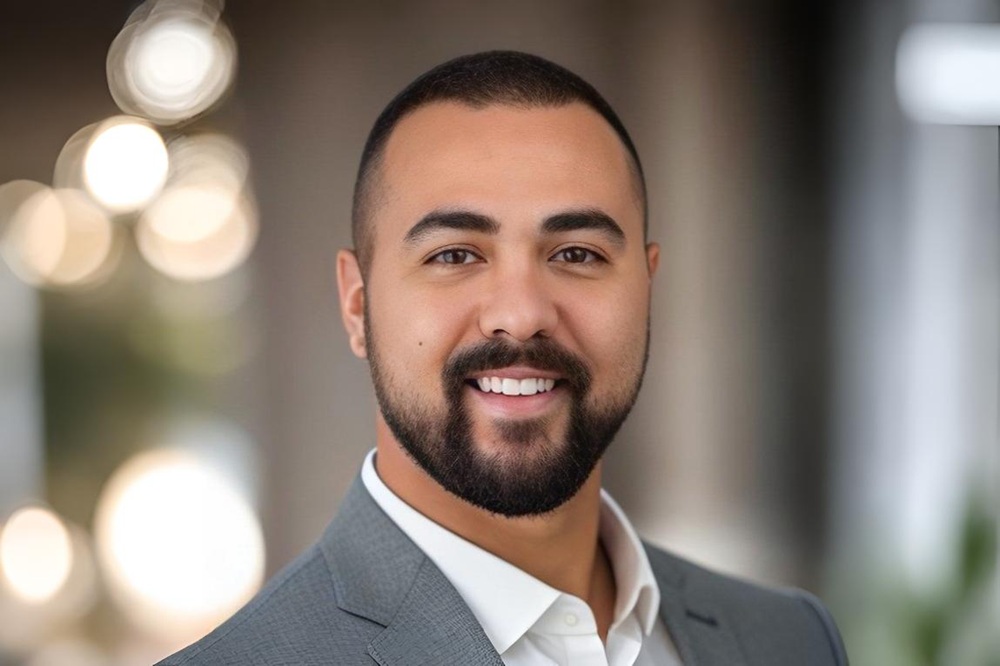
As institutional capital remains in debt markets and affordability concerns mount, real estate development firms face a choice: build systems to reach retail investors or risk competitors capturing all the capital.
Transaction volumes rose 13% in 2025, signaling recovery after years of pain. But Mor Milo, co-founder of Relli, sees something more significant happening beneath the surface. Real estate operators are finally accepting what they’ve resisted for years: the future belongs to those who can access retail capital at scale.
“I think the mindset around retail investment for real estate sponsors will shift from negative to positive,” Milo predicts. “That will set a whole train of things into motion.”
The Institutional Capital Myth
Many operators still believe institutional investors will return once markets stabilize. They won’t, at least not to equity deals. With debt investments offering returns of 12 to 15% at current interest rates, institutions have no incentive to chase real estate equity. This creates a permanent gap that operators must fill with retail capital.
“A lot of operators are coming to us and saying, ‘We don’t want to be pigeonholed by only the 10 institutional investors that we’ve worked with the last 20 years,'” Milo explains.
One operator managing $800 million across 45 transactions wants to grow his investor base from 200 to 1,000 in 2026. The ambition is right. The math is impossible without infrastructure. Milo’s assessment was blunt: “You’re going to have to close three people a day, every day, for the entire year.”
From Ghost Operations to Consumer Brands
The infrastructure gap shows up everywhere. Milo recently met with a group managing $180 million in assets. They have no logo, no website, no marketing collateral. Another example: a $3.5 billion, publicly traded company wants to attract American investors but lacks systems to generate leads consistently.
The solution requires more than adding a website or running ads. Retail investors need consistent communication, public credibility, professional presentation, and transparent data. Most critically, they need to find you. Operators accustomed to private relationships struggle with this consumer brand mindset.
Relli discovered an uncomfortable truth while working with operators. Generating leads isn’t the hard part. Converting them is. “Our customers are not prepared for the leads,” Milo admits. “When we deliver them, they’ll pick up the phone once or twice, and then they’ll kind of fizzle out.”
The operators who build proper systems see results. One customer achieved an 11x return on ad spend. Another generated $17 for every dollar spent on advertising. Both required proper follow-up infrastructure to convert leads into investors.
What Success Looks Like
Relli’s platform metrics show the model working. In the last quarter of 2025, the platform saw $700,000 in investment reservations. The previous two years combined generated $1,700. One investor who created an account six months earlier returned to reserve $250,000 in a new deal, fully digitally.
“It takes time for people to make decisions,” Milo reflects. “Based on the value we were able to generate over six months, we built enough trust for them to show their interest in a big way.”
The operators who solve this in 2026 will capture disproportionate returns. Those who wait for institutional capital or rely on exhausted personal networks will struggle to compete. “The longer these sponsors wait to fix this problem, the more desperate they become,” Milo warns.
For an industry that operated behind closed doors for decades, 2026 represents the year transparency and accessibility become competitive advantages. The infrastructure exists. The capital is available. What remains is the willingness to operate differently.
To explore investment opportunities or learn about operator services, visit www.relli.co or connect with Mor Milo on LinkedIn.
Disclosure: Individuals or companies mentioned may have a commercial relationship with KeyCrew.
Similar Articles
Explore similar articles from Our Team of Experts.