
Real estate development has a well-documented problem with time. Projects run over budget, timelines slip, and by the time a deal falls apart, months of work and capital have already been sp...

From Trash Can Benches to Thriving Downtown: How Design Thinking Is Driving Ventnor’s Economic Revival

Written by:
Date:
20 Jan 2026
Share via Facebook

Share via Linkedin

Share via X

Copy to clipboard

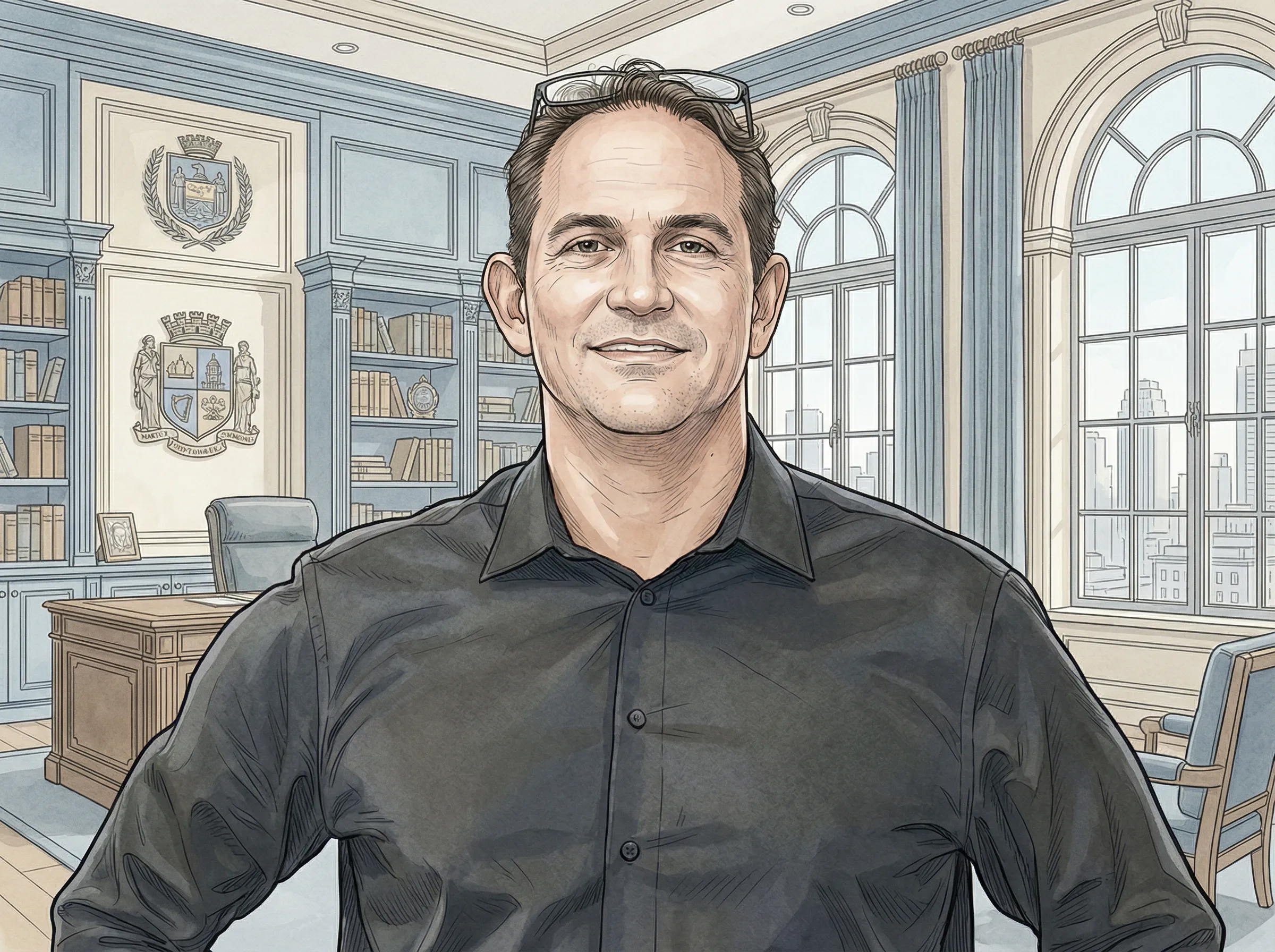
Ventnor, New Jersey’s evolution from a pass-through beach town to a sought-after destination began with a simple street bench. Mayor Tim Kriebel, Mayor and Commissioner of Public Safety at Ventnor City Go, recalls seeing a makeshift seat fashioned from two trash cans and discarded lumber – a moment that sparked a decade-long effort to overhaul the city’s economic development approach.
“I was walking down my street one day, and I saw that the city had a bench built out of two trash cans and old lumber,” Kriebel says. “It really was a turning point for me. I said, we can do better in our town. We don’t have to have people waiting for the bus sitting on two trash cans.”
That realization led to the creation of “Imagine Ventnor,” a team including Commissioner Lance Landgraf, a Municipal Planner, and Commissioner Maria Mento, a former CFO and now commissioner of revenue and finance, who has guided the city for 10 years by applying design thinking to municipal leadership – a method rarely seen in local government.
Design Principles in Local Government
Kriebel’s background as a kitchen and industrial designer has shaped his approach to city management. His experience in custom cabinetry and furniture design has given him a structured approach to problem-solving, which he now applies to municipal challenges.
“In industrial design, we look for the best practice and then try to improve one piece of it,” Kriebel explains. “We make progress by improving someone’s life functions a little bit. That’s the filter I use in municipal government.”
This mindset is visible in decisions such as standardizing the color palette for city buildings – gray roofs, red lettering, and white and gray trim – and in rethinking public spaces and infrastructure. The team’s process involves identifying what works, removing negatives, and enhancing positives, much like refining a product.
Unlocking Underused Assets
When Kriebel’s administration took office, they discovered the city held unused consumption liquor licenses – a key asset for revitalization. For a town with 10,000 year-round residents and 30,000 summer inhabitants, the absence of sit-down restaurants with liquor licenses was a missed economic opportunity.
“We were surprised to know that the city could sell these licenses to create restaurants with liquor licenses,” Kriebel says. “We focused on making them restaurants with a bar, not bars with a restaurant, to keep things family-friendly.”
The impact went beyond the initial revenue from license sales. One restaurateur bought a vacant 1920s theater and invested about $3 million to turn it into a restaurant, bar, and movie theater complex. This project became a catalyst for further downtown investment.
“A decade ago, real estate listings wouldn’t mention being near a dilapidated theater,” Kriebel observes. “Now, they highlight proximity to the Ventnor Square Theater.”
Theater Project Spurs Wider Growth
The theater redevelopment demonstrates how targeted public-private partnerships can generate returns that benefit the entire community. The project created jobs, generated consistent revenue, and attracted other businesses. Ice cream shops and restaurants have since opened nearby, creating a downtown environment where visitors can discover several companies in one trip.
This approach has been mirrored in the city’s other two liquor licenses, which are located in different business districts to maximize community impact. Ventnor’s experience demonstrates how municipalities can use existing assets to spark private investment and drive sustainable growth.
Tackling Infrastructure Hurdles
Ventnor, as a barrier island, faces significant infrastructure issues that affect development. The most pressing issue is nuisance flooding in low-lying residential areas.
“When we get a moon tide or king tide or any big weather event, the streets flood, and buildings based on 1920s technology are at risk,” Kriebel explains.
The city has completed comprehensive studies – a requirement for major grants – outlining solutions such as stronger bulkheads, raised street levels, and new pump stations to help water recede more quickly. These improvements, while costly, are essential for supporting further development in flood-prone neighborhoods.
Redevelopment in a Built-Out Community
Ventnor’s development is shaped by its status as a mature, walkable beach town with limited available land. Most new projects involve adaptive reuse or the replacement of outdated structures.
Recent projects include converting a former bank and parking lot into four homes priced between $1.5 and $2 million, and redeveloping an old school into 33 townhomes with commercial space. These infill projects typify the growth seen in established coastal communities.
“We’re seeing steady redevelopment of older homes,” Kriebel says. “Houses that aren’t flood compliant or have outdated layouts – small rooms, no closets, tiny kitchens – are being replaced. People now want larger rooms, parking, and spacious kitchens.”
Pandemic Drives Demographic Shift
The COVID-19 pandemic accelerated changes in Ventnor’s housing market. Many seasonal residents made their shore homes their primary residences, drawn by the ability to work remotely.
“We went from 10,000 full-time residents to 30,000 during the summer,” Kriebel says. “Those 20,000 seasonal homeowners realized they’d rather live near the beach full time.”
This shift triggered a surge in renovations and new construction, fueling a sense of urgency among buyers and builders. Developers who once overlooked Ventnor are now competing for the limited available lots.
Investing in Amenities and Quality of Life
Ventnor’s economic development strategy prioritizes amenities that improve the quality of life. The city operates a weekly farmers market that draws thousands to downtown, hosts free concerts on a custom-built stage, and maintains recreational facilities, including tennis and pickleball courts, that attract about 700 players each summer.
These amenities serve to bring people downtown, support businesses, and demonstrate the city’s commitment to creating an appealing environment for residents and visitors.
Ventnor recently secured a $960,000 Department of Transportation grant for streetscape improvements – one of only 40 projects awarded from 67 statewide applicants. The funds will support lighting, sidewalks, bike racks, and other elements to make underused business areas more walkable and attractive.
Balancing Preservation with Progress
Ventnor’s historic architecture presents ongoing decisions about when to preserve and when to redevelop. Kriebel advocates adaptive reuse for buildings with architectural value, but recognizes that some utilitarian structures may need to be replaced.
“Whenever possible, municipalities should look at adaptive reuse to save significant architecture,” he says. “But some buildings are just utilitarian and would be better off removed.”
The Tudor-style city hall, for example, is a landmark but has practical limitations, such as low basements and outdated spaces. But the city continues to adapt it and repair it for its historical significance and beauty, hopefully for Generations to come.
Looking Ahead: Building a Destination
Kriebel’s five-year vision focuses on making Ventnor a true destination, not just a collection of businesses. Success will mean people come to Ventnor expecting to find a variety of activities and attractions.
“I want someone from anywhere in Atlantic County to say they want to go to Ventnor because there’s a beautiful outdoor park, a movie theater, lunch spots, a farmers market, or a concert,” he says. “Those things create a self-fulfilling cycle of more development.”
Upcoming public park projects and continued infrastructure upgrades are expected to enhance the city’s appeal and support ongoing growth.
Lessons for Other Cities
Ventnor’s experience offers clear lessons for other municipalities: identifying and leveraging existing assets, such as unused liquor licenses, can unlock value without incurring high upfront costs. Applying design thinking to governance provides a practical framework for solving complex challenges by adapting proven solutions from elsewhere.
Most importantly, Ventnor shows how targeted public investments in infrastructure and amenities can attract private investment and create a cycle of sustainable growth.
As Kriebel puts it, “Ventnor is open for business, and it’s open for pleasure.” For a city that began its turnaround with a simple observation about a street bench, that represents significant progress in just ten years.
Similar Articles
Explore similar articles from Our Team of Experts.