

Housing markets are supposed to move on big forces – interest rates, job growth, inventory levels. But in Dallas Fort Worth, the momentum building through early 2026 broke not because of a...

Stop Paying for Credit Monitoring: Do These 7 Free Things Instead

Written by:
Date:
13 Jan 2026
Share via Facebook

Share via Linkedin

Share via X

Copy to clipboard

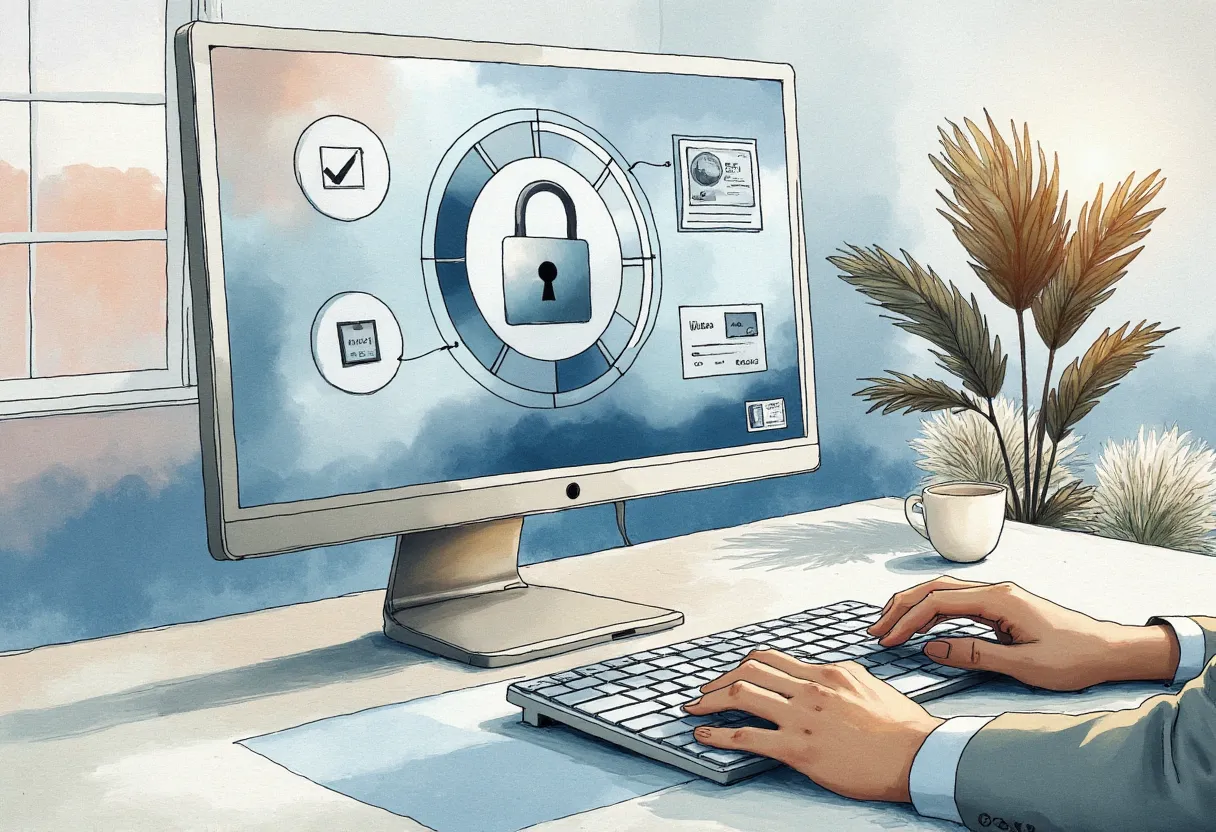
Americans spend more than $200 a year on credit monitoring services, hoping to catch identity theft before it causes damage. Yet most of these services only alert you after the fact, while simple, free protections often go unused – and criminals continue to take advantage.
“Everyone’s been hacked in some capacity,” says Will Smith, National Sales Coordinator at American Identity Group, which handles tens of thousands of fraud calls each week. “The question isn’t whether you’re at risk. It’s whether you’re using the tools that actually stop theft before it costs you.”
Here are seven free steps that offer better protection than most paid services and take less than an hour to set up.
Freeze Your Credit Instead of Just Monitoring It
Paid credit monitoring services typically charge $15–$30 per month to notify you after someone opens an account in your name. Instead, you can freeze your credit for free with Equifax, Experian, and TransUnion. A credit freeze blocks anyone from opening new accounts using your information. Monitoring is reactive, but a freeze is preventive. You can temporarily lift the freeze when applying for credit and refreeze it immediately after.
Cost: $0
Time: 20 minutes to freeze all three bureaus
Skip only if: You’re actively applying for loans or new credit cards and need frequent access.
Set Up Transaction Alerts Instead of Relying on Statements
Waiting for monthly statements to spot fraud gives criminals a head start. Instead, enable instant text or email alerts for every transaction over $1. Most banks and credit cards offer this feature. You’ll know within seconds if someone uses your card, making fraudulent charges easier to reverse.
Cost: $0
Time: 5 minutes per account
Bonus: These alerts also help you catch forgotten subscriptions and accidental purchases.
Use Virtual Card Numbers for Online Purchases
Entering your real debit card number on every website exposes you to risk if the site is compromised. Many banks and credit card companies now offer virtual or disposable card numbers linked to your account that can be deleted or frozen individually. If a website gets hacked, your actual card remains secure. Privacy.com and issuers such as Capital One and Citi provide this for free.
Cost: $0
Time: 2 minutes per virtual card
Best for: Holiday shopping or purchases from unfamiliar websites.
Check Your Credit Report Yourself – Three Times a Year
Paying for a service to check your credit report is unnecessary. You’re entitled to one free report per year from each bureau at AnnualCreditReport.com. By pulling one report every four months, rotating among the three bureaus, you can monitor your credit for free year-round. Look for accounts you didn’t open, unknown addresses, or unfamiliar inquiries.
Cost: $0
Time: 15 minutes, three times a year
Add RFID Protection to Your Wallet
Carrying unprotected cards in crowded places can put you at risk of electronic pickpocketing. Contactless cards can be skimmed by thieves with handheld readers at airports, subways, or concerts. An RFID-blocking wallet or sleeve costs about $10–$20 and lasts for years, providing a simple barrier against this threat.
Cost: $10–$20 one-time
Time: None – just switch wallets
Use Unique Passphrases, Not Simple Passwords
Reusing basic passwords across accounts increases your vulnerability if a site is breached. Instead, create unique passphrases for important accounts like banking, email, and medical portals. A passphrase such as “coffee-dog-mountain-47” is easier to remember and more secure than common password patterns. Use a free password manager, such as Bitwarden, to store them securely.
Cost: $0
Time: 30 minutes to set up a password manager and update key accounts
Always Verify Before You Trust
Never assume a caller, text, or email is legitimate just because it appears official. Hang up and call back using a number from the company’s official website. This habit blocks most scams before they start. “There’s absolutely nothing anyone can do to you if you hang up on them,” says Lori Jacobs, fraud resolution specialist at American Identity Group.
Cost: $0
Time: 2 minutes per suspicious contact
Why Most People Waste Money on Monitoring
Credit monitoring services charge $10–$30 monthly and only notify you after fraud has occurred. A credit freeze costs nothing and prevents fraud altogether. You’re better off using free tools that actually block unauthorized activity.
What Paid Services Really Offer
Some identity protection services, like those from American Identity Group, provide fraud resolution assistance – experts who help you recover after identity theft. This includes handling paperwork, making calls, and managing disputes, which can otherwise take dozens of hours. This type of help can be valuable if bundled with other services you already use. However, paying just for ongoing credit monitoring adds little real protection.
The Bottom Line
Adequate identity theft protection means blocking access to your information and catching fraud quickly if it occurs. You don’t need a subscription to accomplish either. Setting up these seven steps over a weekend will leave you better protected than most people who pay for monitoring.
“Everyone’s been approached with a scam,” Smith says. “The question is whether you’re prepared when it happens.”
This article offers general identity protection tips, not legal or financial advice. For specific concerns, consult a qualified professional.
Similar Articles
Explore similar articles from Our Team of Experts.