If you’ve been waiting for the right moment to buy or sell in Central New Jersey, that moment is likely arriving right now — and arriving faster than expected. An unusually cold wint...

Ohio’s Planning Overhaul: State Rep. Brian Lorenz Pushes for Faster, Smarter Development

Written by:
Date:
23 Dec 2025
Share via Facebook

Share via Linkedin

Share via X

Copy to clipboard

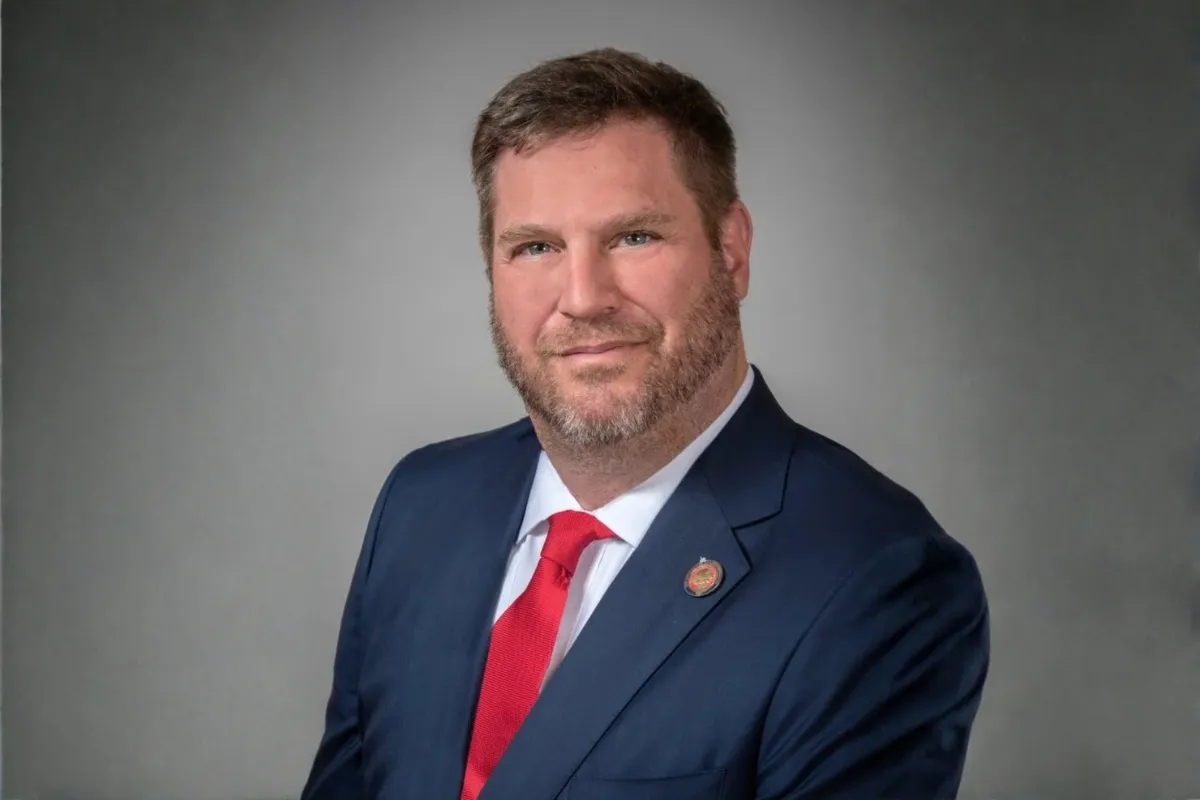
Ohio is confronting its housing and development challenges with an unusual advantage: State Representative Brian Lorenz, the only professional planner in the Ohio General Assembly, is using his expertise to reshape the state’s approach to growth, regulation, and property taxes.
From City Council to Statewide Policy
Lorenz’s political career began with frustration over his own neighborhood’s development. After moving to accommodate his growing family—including triplets—he grew dissatisfied with local planning decisions. “I would come home and say to my wife, ‘This place is a mess,’” Lorenz recalls. Her response: “Quit complaining about it. Run for city council.”
That advice launched Lorenz into 14 years on the city council, several terms as mayor, and now a seat in the Ohio House of Representatives. Throughout, he maintained a career as a planning consultant, working on projects across nine states and Canadian provinces before moving to full-time legislative work in 2024.
“My constituents need to be able to rely on somebody that is always available, that can be accessible, and that is present when they need me to be,” Lorenz says of his decision to focus solely on lawmaking.
Confronting the Property Tax Squeeze
Property tax increases have become a significant concern for Ohio homeowners. Lorenz led efforts to pass House Bills 186 and 305, which delivered $2.4 billion in property tax relief. The legislation targets the growing number of long-term residents struggling to pay taxes after property values spiked.
“When I get calls from people saying, ‘I’ve been in my home 30 years, and I can’t pay my taxes because they’re worth more than my house,’ we’ve got a problem,” Lorenz says.
He views this legislation as an initial step, not a complete solution. “These are first steps, but there’s a great deal more work to do. It’s an incremental approach to creating a successful environment.”
Commercial property owners face similar tax pressures, but Lorenz notes that experienced developers often use tools like tax increment financing and community reinvestment areas to offset costs. “If you’re a smart developer, you’re going to work with that jurisdiction to utilize those economic development pieces, because everybody wins long-term when those happen.”
Cutting Red Tape for Predictable Development
A central focus of Lorenz’s legislative agenda is making the development process faster and more predictable. His House Bill 361 requires comprehensive planning by local governments, aiming to reduce regulatory barriers and clarify approval requirements.
“We have too much red tape, and as a conservative, that’s something that bothers me extensively,” Lorenz says. “The speed to market is a big issue for us.”
By requiring upfront planning and clear guidelines, Lorenz says the bill will reduce lawsuits, referendums, and delays that drive up costs for both communities and developers. “Lessening regulatory uncertainty saves everyone time and money,” he explains.
He points to overlapping and conflicting permitting processes as a significant obstacle. “If I go into Miami-Dade for a permit, I’m going to Miami-Dade, and then I’ve got to go into DERM (Department of Environmental Resource Management). I’m actually doing the same permit twice with two jurisdictions, and I may get different comments that conflict with one another.”
Managing Growth from Intel’s Arrival
The arrival of Intel’s massive chip manufacturing facility in Licking County has put Ohio’s economic development in the national spotlight. The project has triggered demand for new housing, data centers, and other high-tech facilities across Central Ohio.
“There wasn’t a big growth plan there in those townships, so they’re scrambling to meet up with that,” Lorenz observes.
Intel’s project is bringing in a surge of high-income professionals and expanding the tax base, but it also highlights the need for forward-looking planning. Lorenz stresses that growth must be balanced with the preservation of farmland and Ohio’s agricultural character. “Having a strong, comprehensive plan is paramount to success in shaping communities and making sure we’re redeveloping areas that are already developed, instead of taking 100 acres of a farm and throwing up a bunch of condos.”
Urban Redevelopment and Office Conversion
The shift to remote work has left many office buildings underused, especially in urban centers. Lorenz sees an opportunity to convert these buildings into housing for young professionals who want to live close to downtown amenities.
“There’s nothing wrong with living in a repurposed building if you’re a young professional looking to be close to the action and activity, instead of building a 200-unit apartment complex right next to a cornfield,” he says.
He argues that increasing density near transportation corridors and existing infrastructure reduces traffic, limits strain on schools, and keeps utility costs in check. “When we spread that out, all we’re doing is creating traffic congestion, overburdening our school systems, and increasing water and sewer rates.”
Ohio’s Case to Investors
Lorenz promotes Ohio’s advantages to institutional investors by emphasizing political stability, a pro-business legislature, and a favorable climate. The state’s infrastructure includes abundant water from Lake Erie, significant natural gas reserves, and a well-maintained highway network.
“We’ve got a legislature and government that is very pro-business friendly, that wants to be a partner with you instead of working against you,” Lorenz says.
He also highlights the strength of Ohio’s workforce, citing top engineering programs and technical education. “What really makes our state attractive is the intellectual capital that we have within our residents,” Lorenz notes.
2025 Legislative Agenda: More Tax Relief and Regulatory Reform
Looking ahead, Lorenz says property tax relief will remain the top legislative priority. “I ran on a commitment that we were going to bring property tax relief, and just because we passed four bills doesn’t mean we need to stop,” he says.
Beyond taxes, Lorenz is advancing reforms to reduce regulatory barriers. House Bill 176, the “regulatory sandbox” bill, would allow for faster approval of AI and other new technologies in construction and development. The REINS Act (House Bill 11) would require legislative review of any regulatory decision with a financial impact of over $100,000, shifting more oversight to elected officials. “We were all elected to come to Columbus to vote on things and advocate for our constituents, and that process is only handled by 10 out of 132 legislators.”
Workforce Development: Building Ohio’s Next Generation
Addressing workforce shortages in construction and manufacturing is another key focus. Lorenz calls for expanded trade education and career centers that combine academic instruction with hands-on training.
“We’re on the brink of what I would call the second industrial revolution, where we need young adults welding, plumbing, doing electric and HVAC, and building highways,” he says.
He pushes back against the idea that college is the only path to success. “I see kids that are 16 or 17 years old in welding programs spending from four to nine hours at a shop, and then getting out into the workforce.”
A Blueprint for Sustainable Growth
As Ohio attracts more major employers and faces rising growth pressures, Lorenz’s dual background in planning and policy gives him a rare vantage point in the Statehouse. His push for predictability, regulatory streamlining, and strategic growth is shaping a development environment that aims to be both efficient and sustainable.
“Anytime we can eliminate red tape and administrative bloat, that’s another thing we can do to improve our situation,” Lorenz concludes. “We can do things a lot better with a lot less workforce, and that puts more money in Ohioans’ pockets.”
For developers and investors, Lorenz’s legislative agenda signals a state determined to make development faster, more predictable, and more compatible with Ohio’s quality of life. As these policies take shape, Ohio’s approach could become a model for other states confronting similar growth challenges.
Similar Articles
Explore similar articles from Our Team of Experts.