San Tan Valley’s incorporation marks the largest single shift from county to city governance in U.S. history, with about 100,000 residents moving from Pinal County jurisdiction to self...

The Real Growth in Philadelphia Is Happening in the Suburbs, Says Appraiser

Written by:
Date:
17 Dec 2025
Share via Facebook

Share via Linkedin

Share via X

Copy to clipboard

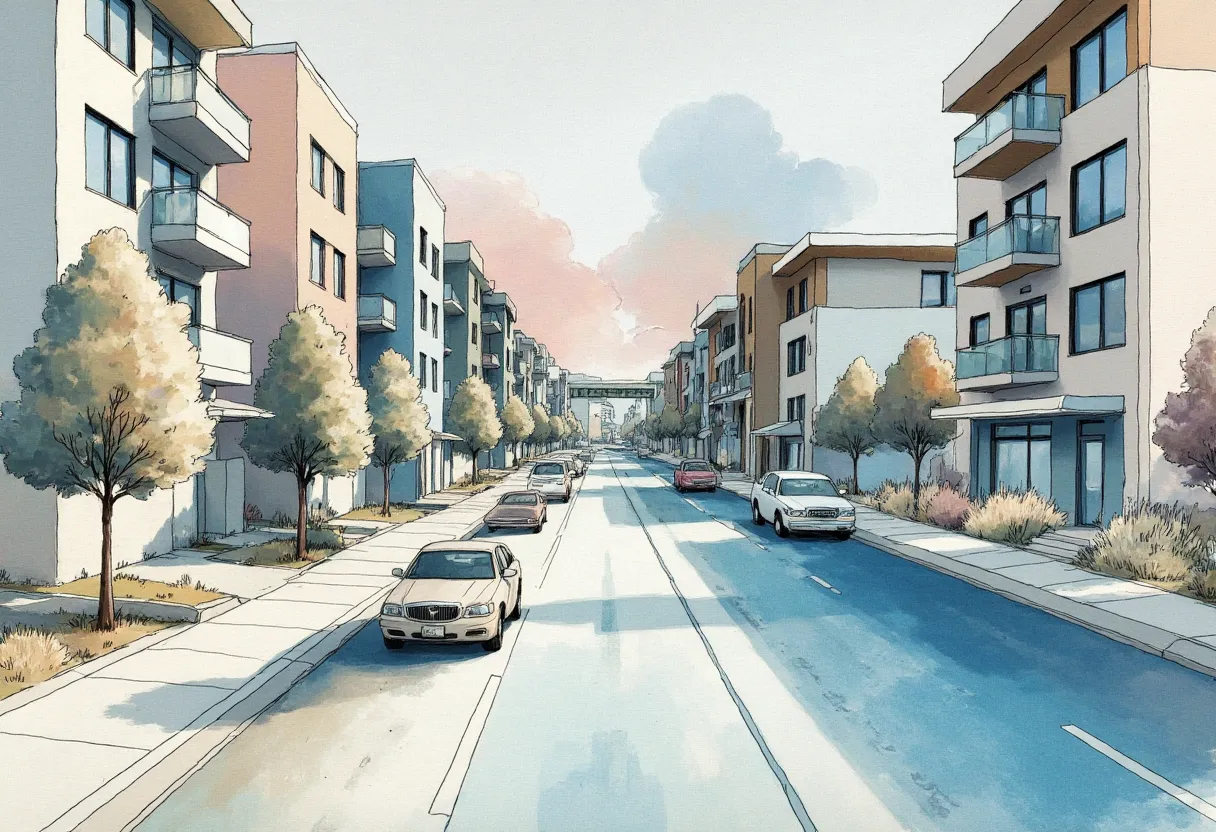
Carlo Batts, Principal and CEO of Reduxx Group, says media coverage of Philadelphia’s real estate market is missing the region’s actual development story. While most reports focus on Fishtown, Northern Liberties, Center City, and Rittenhouse Square, Batts argues that the real growth and opportunity lie in the first and second ring suburbs, communities with regional rail access that have been overlooked for decades.
“The same neighborhoods appear in every article, but they represent only a fraction of where growth is really happening,” Batts says. As a veteran appraiser working across the Philadelphia region, Batts sees a different pattern: suburban areas that have seen little investment over the last 20 to 30 years are now positioned for significant redevelopment.
Suburban Markets Offer Structural Advantages
Batts notes that these first and second ring suburbs—including Upper Darby, Glenside, Cherry Hill, and Pennsauken—have established populations, stable incomes, and direct transit connections to Center City. “These areas have access to regional rail. They have all the infrastructure in place to make housing work,” he says.
Despite these advantages, Batts observes that developers have largely ignored these markets, focusing instead on already-saturated urban neighborhoods. This lack of recent investment, he argues, creates an opportunity for redevelopment that is not available in Center City.
“When you’re looking at opportunities for Philadelphia, the real growth and strength is really servicing the redevelopment trends of the first and second ring suburbs, which really didn’t receive that much development over the last 20 or 30 years,” Batts says.
Ardmore Shows the Potential
Batts points to Ardmore as a model for what’s possible when investment targets these suburban communities. Once overlooked, Ardmore has seen major redevelopment, new residential and commercial projects, and revitalized public spaces. “What happened to Ardmore is probably what needs to happen to a lot of the first and second-ring suburbs of Philadelphia,” Batts says.
This example highlights what Batts sees as a misunderstanding of Philadelphia’s growth trajectory. While developers continue to concentrate on a handful of trendy neighborhoods, the region’s real strengths—such as its location, infrastructure, and workforce—extend far beyond Center City.
“By being centered here in the northeast and in Philadelphia, you’re really in the middle of 60 to 70 percent of the US population,” Batts explains. The region’s position between New York and Boston, access to major population centers, regional rail infrastructure, and educated workforce all benefit these suburban markets.
Philadelphia’s Competitive Position
Batts also challenges common comparisons between Philadelphia and Sun Belt cities. While Sun Belt markets are growing rapidly, he contends their job growth is concentrated in lower-wage positions. “Their job growth and job attraction is more towards probably the third-tier employer or employee, and not the higher wage earner,” Batts says.
Philadelphia, in contrast, offers a concentration of higher-wage employment opportunities and a dense, educated workforce. Batts believes this creates an opening for small entrepreneurs and franchise operators. “The opportunity is towards the small entrepreneur as well as the small entrepreneur that’s also looking at franchise, real estate opportunities,” he says.
These business owners can establish themselves in suburban markets at a lower cost than in Center City, while still benefiting from the region’s workforce and transit access.
What Investors Overlook
For investors and developers, Batts’s analysis raises a critical question: will they continue to chase the last available sites in saturated neighborhoods, or recognize that the real growth frontier lies in these overlooked suburban communities?
Since founding The Reduxx Group in 2011, Batts has evaluated properties throughout the Philadelphia region. He notes that both media coverage and investor interest remain focused on a narrow set of neighborhoods, even as suburban areas present new opportunities.
As multifamily development in Center City and surrounding neighborhoods reaches saturation, Batts believes the market is approaching a turning point. “We’re at a point where we’re going to need multifamily to cool off on the development side a little bit once this round is over,” he says. The key question, he adds, is whether developers will look to the suburban markets he describes or simply pause activity until core neighborhoods can absorb existing supply.
Batts’s perspective suggests that the future of Philadelphia’s real estate growth depends on whether capital will shift outward to take advantage of the infrastructure, affordability, and workforce already present in the region’s first and second ring suburbs. For now, he says, these communities remain the city’s best-kept secret.
Similar Articles
Explore similar articles from Our Team of Experts.