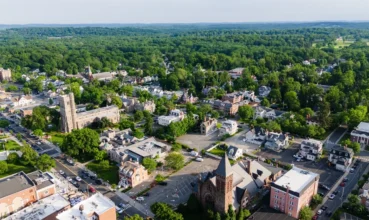
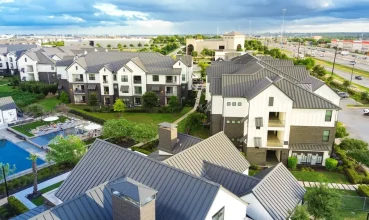
High-end apartment buildings in Nashville, Austin, and Dallas are struggling to fill units. At the same time, renters in those cities report spending a larger share of their income on housin...

Housing Market Correction Reveals a Growing Competence Gap

Written by:
Date:
11 Dec 2025
Share via Facebook

Share via Linkedin

Share via X

Copy to clipboard


Florida’s real estate market is in the midst of a reset that is exposing a divide between experienced professionals and agents who relied on the pandemic boom to generate easy commissions. As the market normalizes, Randall Rintala, Associate Broker at Berkshire Hathaway HomeServices Beach Properties of Florida, sees a clear separation between agents who can deliver real value and those who cannot.
Rintala, who has worked in the Destin-30A corridor for 23 years, says the days when “anything would sell” are gone. He notes that today’s conditions reveal who can actually perform. The current market, he says, is a “true real estate market” that is exposing agents who lacked the skills or professionalism to succeed once the boom ended.
During the pandemic, soaring demand meant even minimally skilled agents could close deals simply by processing paperwork. Rintala says this environment attracted a flood of new agents, many of whom lacked the experience or standards needed to serve clients effectively once the market cooled.
The Competence Crisis
Rintala is direct about the result: many agents who entered the profession during the boom were never qualified to provide real guidance. “Real estate agents were popping out of nowhere, and people were just latching onto buying properties without really thinking it through,” he says.
He argues that the surge of inexperienced agents damaged the industry’s reputation, reinforcing stereotypes that agents are “overpaid” or “lazy.” Rintala says that, in many cases, those criticisms were justified.
But he stresses that competent agents don’t fall into that category. Those who know what they’re doing, he says, earn their pay by providing true professional guidance.
The difference shows up in how agents advise clients. Skilled agents are willing to tell buyers or sellers when a deal doesn’t make sense, even if it costs them a commission. Too many others, he says, are simply “chasing a paycheck” instead of pointing out the pros and cons.
The Market Correction as a Filter
Rintala describes the current market as a filter that exposes inexperience and rewards agents who know what they’re doing. He says agents are now “hungry” to sell, noting that his wife, who handles resales, is suddenly getting follow-up calls from agents who previously showed little initiative.
This urgency, he explains, reflects how many agents who relied on high pandemic-era volume are now struggling to close deals. Meanwhile, experienced professionals are in higher demand.
Rintala has recently been advising friends shopping for $4–8 million properties and says he’s often struck by how unrealistic some asking prices are. He says he “can’t believe” the numbers some sellers are trying to achieve.
High-end buyers, he notes, are well-informed and won’t overpay. People with the means to buy multimillion-dollar properties “do the numbers,” he says, which is why agents need to be honest about pricing.
The Long-Term Implications
Rintala believes the current correction is ultimately healthy for the industry, even if it’s painful for agents who are struggling. When agents prioritize accuracy and client interests, he says, the market works better and clients make more informed decisions.
He adds that his own approach is straightforward: he focuses on doing the right thing and working hard because, in his view, that effort “works itself out” over time.
Rintala admits that his willingness to advise clients against bad investments is not common in the industry and jokes that he’d be the “real estate market’s worst nightmare” if he always said exactly what he thought.
The bigger question, he notes, is whether this correction will lead to lasting improvements in professional standards or if the next boom will bring another wave of underqualified agents. He believes buyers are getting better at distinguishing between agents who merely process transactions and those who offer real expertise — a shift that could reshape the industry.
For now, he says, the market is sending a clear signal: the agents succeeding today are the ones who can actually sell in these conditions, not those who benefited from an environment where “anybody” could close a deal.
Similar Articles
Explore similar articles from Our Team of Experts.