
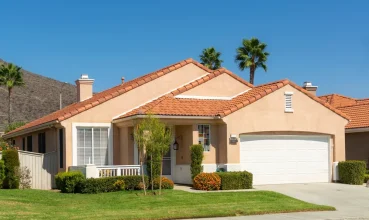
The housing slowdown in Southern California is not distributed evenly. In the corridor stretching from Temecula through North County San Diego, homes priced below city-specific thresholds ar...

What It Really Costs to Own a Florida Beach Home

Written by:
Date:
12 Dec 2025
Share via Facebook

Share via Linkedin

Share via X

Copy to clipboard


You’ve found the perfect Florida beach house. The photos are stunning, the location checks every box, and the price feels consistent with other coastal homes you’ve seen. But there’s a question many buyers don’t confront until after closing: what will this property actually cost to own year after year?
Randy Rintala, an associate broker with Berkshire Hathaway HomeServices Beach Properties of Florida has spent 23 years working along Florida’s 30A corridor – a stretch of coastal highway in South Walton County known for beach communities and vacation homes. He says buyers often focus on the purchase price while overlooking the realities of coastal ownership.
People are rarely prepared for how demanding beach environments are on a house, he says. Constant exposure to salt air, humidity, wind, and storms accelerates wear on roofs, HVAC systems, exterior finishes, and mechanical components, turning what might be occasional upkeep inland into ongoing maintenance on the coast.
“People aren’t always being told the truth about maintenance,” Rintala says. “You’ve got to be prepared for that.” The difference between buyers who feel comfortable with their decision and those who end up surprised later isn’t timing or luck. It’s whether they understand the full cost of ownership before they sign.
Why This Matters Now
After the COVID boom — when remote work, limited travel options, and record-low interest rates drove unprecedented demand for beach homes — the market has cooled. During the pandemic, short-term rentals along the coast saw unusually high occupancy as cruises and international travel stalled, pushing rental projections to levels that weren’t sustainable. Today, buyers face lower occupancy rates, higher maintenance costs, and sellers who have been slow to adjust expectations. Many owners who bought based on pandemic-era projections are now seeing far lower returns.
Rintala says the problem isn’t that rental demand fell — it’s that many buyers priced homes as if pandemic conditions would last. Properties were purchased assuming near-constant bookings, which inflated expected income and justified higher prices. As demand normalized, those assumptions unraveled. In some cases, rental revenue has fallen by half, leaving owners with the same mortgage, higher maintenance costs, and far less margin than they planned for.
As earlier assumptions reset, the economics of ownership have changed. Many homes were priced on expectations that no longer apply, leaving buyers to absorb higher operating costs without the margin they anticipated.
That’s why insisting on real numbers matters. Reviewing actual income and expense records from the past year shows how the property performs under current conditions, not pandemic-era ones. If a seller can’t or won’t provide them, it’s a signal that the price may be disconnected from today’s reality.
How Real Numbers Protect Buyers
For buyers, asking for real records isn’t about financial strategy. It’s about avoiding surprises after closing. First, actual records show what ownership looks like in practice. Utility costs, insurance bills, and prior expenses reveal how expensive the home is to operate across different seasons. A property that appears affordable at purchase can carry monthly costs that feel very different once you’re responsible for them.
Second, maintenance records reveal how well the home has been cared for over time. A clean inspection doesn’t always show whether systems were serviced regularly or repairs were postponed. Documentation helps buyers understand what they’re likely to inherit in the first few years of ownership.
Third, real numbers help buyers judge whether the price reflects today’s reality. When a home is priced based on conditions that no longer exist, records give buyers a factual basis to question the ask — or decide the home isn’t the right fit.
Rintala encourages buyers to think beyond the transaction itself. “If you’re not buying for at least a five-year stretch, you shouldn’t be buying,” he says. “This isn’t a flip market anymore.”
What to Look For
Once buyers have the documents in hand, the goal is to spot patterns that point to future headaches or unexpected costs. Start by looking for consistency. Do utility bills, insurance premiums, and maintenance expenses feel stable year to year, or do they jump sharply? Spikes can signal aging systems, storm damage, or insurance changes that may continue after the sale.
Next, pay attention to timing. Large repairs that were recently completed can be reassuring, while long gaps between major services can be a warning sign. A roof that hasn’t been inspected in years or an HVAC system with irregular servicing may not show problems today, but those costs often surface soon after a buyer takes over.
For condos or association-managed properties, review whether HOA fees have been rising steadily or are poised to increase. Special assessments, deferred maintenance in common areas, or thin reserve funds can affect both monthly costs and quality of life, even if the individual unit looks well cared for.
Finally, ask yourself whether the records support the lifestyle you expect. If ownership appears to require frequent oversight, recurring repairs, or unpredictable expenses, that may be fine for some buyers — but it should be a conscious choice, not a surprise.
If the documents raise more questions than they answer, that’s useful information. Along 30A, buyers no longer need to rush into uncertainty. Walking away from a home that doesn’t offer clarity is often the most practical decision a buyer can make.
Of course, this approach only applies to properties with a meaningful ownership history. If you’re buying new construction without that track record, focus instead on the builder’s reputation and warranty coverage.
The Bottom Line
Buying a beach home on Florida’s 30A is less about timing the market and more about understanding what ownership will realistically demand. Prices may look familiar, but the conditions that shaped them have changed, and buyers who rely on assumptions rather than documentation risk inheriting costs they didn’t plan for.
Asking for real records and taking the time to understand them isn’t confrontational. It’s how buyers protect themselves in a market where some expectations have yet to catch up with reality. For buyers willing to slow down, ask clear questions, and insist on transparency, there are still good opportunities along 30A.
This article provides insights specific to real estate along Florida’s 30A corridor. It does not constitute legal, financial, or investment advice. Consult qualified professionals for guidance specific to your situation.
Similar Articles
Explore similar articles from Our Team of Experts.