
In a city known for its transient nature, Sari Shapiro stands out as a rare Miami Beach native who has transformed her lifelong connection to the area into a flourishing career in luxury pre...

Tampa Bay's Market Correction Accelerates as Agents Adapt to New Reality

Written by:
Date:
16 Dec 2025
Share via Facebook

Share via Linkedin

Share via X

Copy to clipboard

The Tampa Bay real estate market is experiencing a rapid correction that has caught many by surprise, with property values dropping significantly in some areas while agents adjust their strategies. After years of pandemic-driven price increases, the market is now self-correcting at a breakneck pace, forcing both buyers and sellers to recalibrate their expectations.
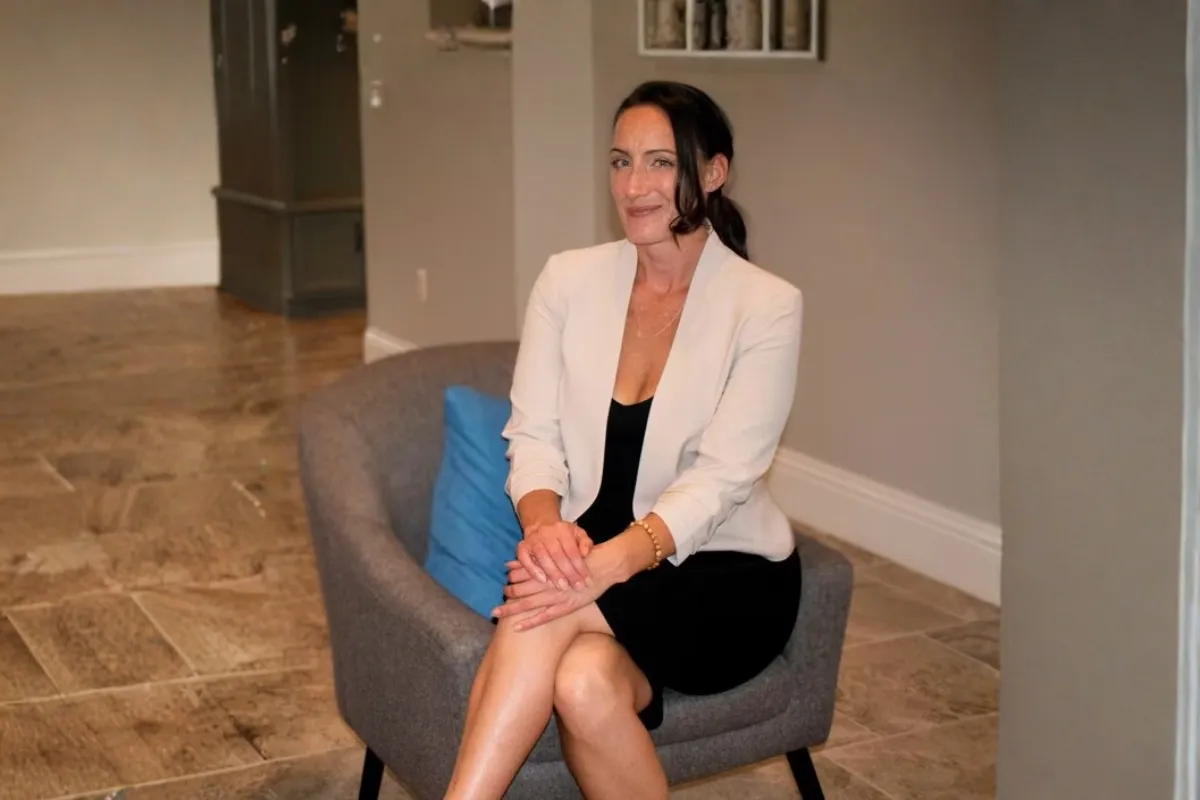
Jane Federoff, a Real Estate Sales Professional at Lawyers Real Estate PA, with 18 years of experience and nearly four years of work in the Tampa Bay market, has witnessed this shift firsthand. Her journey into real estate began unexpectedly after a life-changing accident derailed her plans to become a criminologist. “I broke my neck in two places. My car flipped off a bridge, and I was in a coma,” Federoff recalls. “They told me I’d never be a cop because of my neck, so I started looking into personal assistant positions where I could grow. Real estate was one of them, and it turns out I was really good at it.”
A Unique Business Model Emerges
Federoff’s approach to real estate reflects the innovative thinking required in today’s challenging market. She works with Lawyers Real Estate Brokerage, a partnership between an attorney with 30 years of experience and real estate professionals. “He handles the law, we handle the real estate, but we work together,” she explains. This model enables them to capture business from legal situations that require property sales—such as probate, divorce, and foreclosure—while also establishing referral relationships with attorneys across the region.
“Any other attorneys, we’ve set up a referral program where we can pay attorneys 1% on any deal they send us,” Federoff notes. “We still charge the client the same as any other realtor would, and then we cut in the attorney legally.” This approach has proven particularly valuable as market conditions have created more distressed sales situations.
The collaboration extends beyond legal partnerships. Federoff has built a network of approximately 30 agents who refer business to her, recognizing the value of cooperation in Florida’s saturated market. “We are so saturated—15 agents to every house that needs to be sold,” she observes. “So I started saying, ‘Let’s work together. Do you have any clients that you’re tired of dealing with? I will pay you a referral fee.'”
Market Correction Accelerates
The Tampa Bay market’s correction is happening faster than many anticipated. Federoff points to specific examples: “I have one house. The AVM as of a month and a half ago was almost $720,000. Within 30 days, it went down to $555,000.” Similar patterns are emerging in the condo market, where properties purchased two years ago for $240,000 are now struggling to sell above $175,000.
“If you watch the actual stats, if you go back and look for the last three years, from the second day they raised the interest rates, the market held steady. It didn’t self-adjust at all. It literally just stayed flat. And now all of a sudden it’s doing it so fast,” Federoff explains.
The condo market faces particular challenges. “The condo market is almost dead,” she states bluntly. Recent changes to Florida’s condo laws have created additional uncertainty, with legislators still working to find permanent solutions after realizing initial regulations didn’t work for all situations.
Strategic Adaptations
In response to these market conditions, Federoff has made targeted investments to maintain momentum. She partnered with Homes.com, which provides free Matterport videos and targeted internet marketing for her listings. “My townhouse had been on the market for a month with just a few showings. After I signed up, it sold within two weeks,” she reports.
She’s also embraced collaborative marketing through pitch groups—weekly breakfast meetings where agents, lenders, and title professionals share new listings, upcoming properties, and buyer needs. “I sold one listing that had been on the market for a year through these meetings. We never saw it before, but sold it for cash over asking,” Federoff notes.
Buyer Behavior and Market Dynamics
The buyer pool has shifted significantly. While Florida continues to attract retirees, Federoff has noticed a decrease in Canadian snowbirds. “A majority of our snowbirds were from Canada. Canada is not too happy with us right now,” she explains. “It’s not that they hate America, but they’re saying it doesn’t make sense to own property here anymore.”
Creative financing has become more common among active buyers, particularly those purchasing Airbnb properties. “I’m seeing people get much more creative. I had one guy buy a house with nothing but $2,000 out of pocket through a new solar program that combines a loan for the solar and roof with the house purchase,” Federoff describes.
Hurricane Impact Continues
The market correction is compounded by the ongoing recovery from three hurricanes that struck the region less than a year ago. “We all lost our cars. More than half of the apartments here got flooded twice within two months,” Federoff recalls. “I have people in houses that still haven’t had their house restored or their businesses.”
This has created additional market dynamics, with wholesalers and investors purchasing damaged properties, renovating them, and reselling them. However, buyers are now more cautious about flood-prone areas and elevation certificates, adding another layer of complexity to transactions.
Strategic Seller Counseling
Federoff has taken an unusual approach with some potential sellers, actually advising them against listing. “I’ve talked three people out of selling. I’m like, ‘This is not in your best interest right now,'” she explains. Instead, she’s helped clients explore rental strategies. “You can rent your house for $3,500 a month, and you could find a decent rental for $2,000 for what you’re looking for. Let’s be landlords instead.”
This consultative approach reflects the current market reality where selling often isn’t the optimal financial decision. “Selling is not your best option right now,” she tells clients after analyzing their specific situations.
Market Outlook
Looking ahead, Federoff expects the correction to continue for approximately three more years, following real estate’s typical seven-year cycle. “We’ve been on a downturn curve for just over three years. Real estate is an average seven-year bell curve—goes up, comes down. That’s how it’s always been.”
She believes the rapid pace of current corrections might prompt earlier interest rate adjustments than originally anticipated, but cautions that too many variables remain in play. “Right now, we are in the middle of a shifting market. There are too many variables up in the air. Nobody has a crystal ball,” she observes.
The Tampa Bay market’s current correction represents a significant recalibration after years of pandemic-driven growth. For real estate professionals like Federoff, success requires adaptability, creative partnerships, and a willingness to prioritize client interests over immediate commissions. As the market continues to evolve, those who can navigate the complexity while maintaining strong professional networks are positioning themselves for long-term success in the new reality.
Similar Articles
Explore similar articles from Our Team of Experts.