

The Northern Virginia housing market occupies a unique position in the national real estate landscape. Anchored by proximity to Washington D.C., a steady rotation of military and government ...

South Florida Luxury Market Adjusts to Post-Pandemic Conditions

Written by:
Date:
26 Nov 2025
Share via Facebook

Share via Linkedin

Share via X

Copy to clipboard

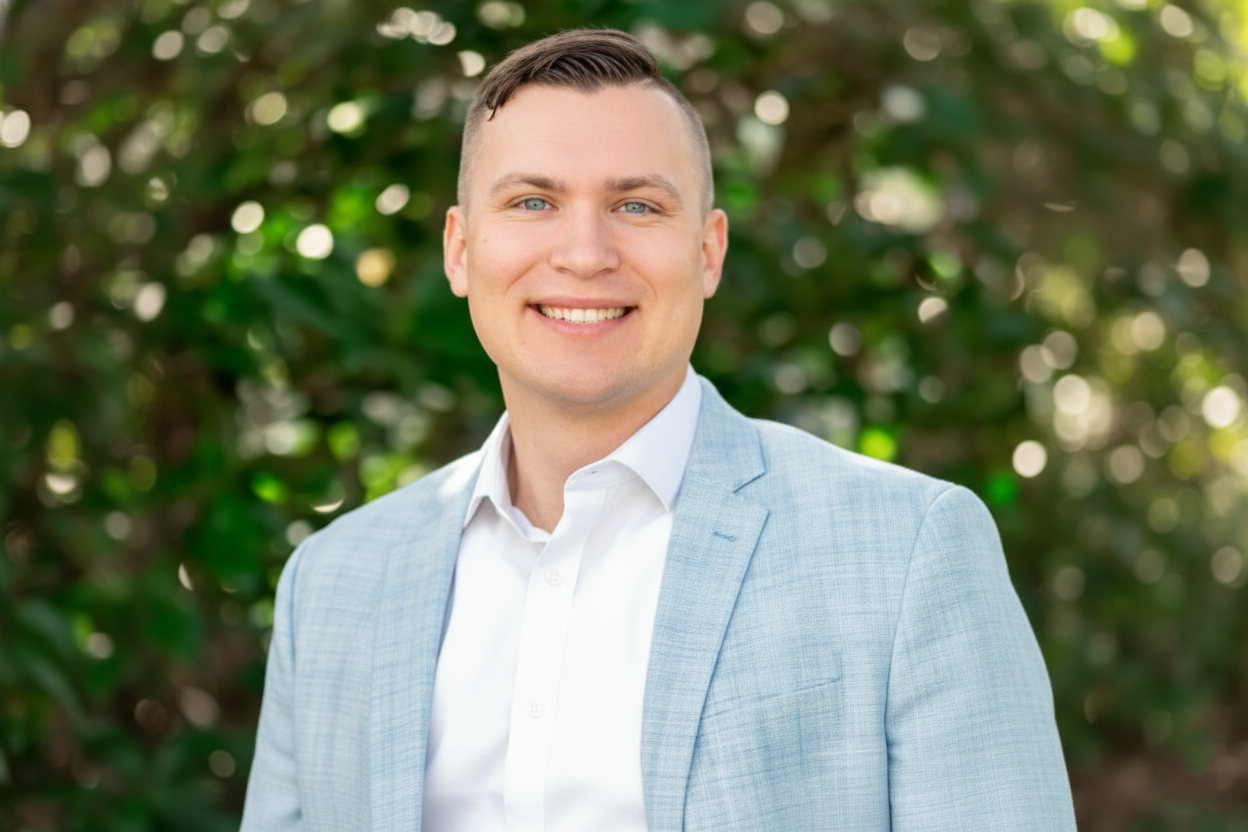
The South Florida luxury real estate market is undergoing a shift from the rapid pace of the pandemic years, with inventory rising and sellers facing new market conditions. While median home prices in Boca Raton have increased 7% year-over-year, a 23% rise in inventory and longer days on market point to a change in market dynamics.
Vitaliy Nikolaenko, president of The Nikolaenko Group, views this transition as a return to typical market conditions. “We’re averaging 80 to 90 days on market, which is totally fine if you think about it. That’s pretty much the norm historically in regular markets,” he explains. “Coming from COVID, we may see it as a slowdown, but I look at it as just another day in business if you’ve been in business long enough.”
Adjusting Seller Expectations
The main challenge in today’s market is not economic fundamentals, but the need for sellers to adapt to new pricing realities. Many remain focused on the high prices seen during the pandemic, creating a gap between expectations and what the market will support.
“What’s happening nowadays is a pricing issue,” Nikolaenko observes. “Sellers are still living like it’s 2022-2023. They overprice their homes, wanting to get top dollar, not realizing there’s plenty of inventory to go around and buyers have a lot more leverage and flexibility in choosing their options.”
This disconnect is leading to properties remaining on the market for longer periods. Over time, sellers often accept concessions and price reductions, which can appear as price drops. Nikolaenko notes that this is a natural correction. “I wouldn’t link it to any kind of fatal market drop. I think it’s up to professionals to educate local home sellers on true property market values and navigate the process accordingly.”
Managing these conversations involves balancing client service with market facts. “I always remind sellers that the market has a tendency to talk back to us, and that’s when we should listen,” Nikolaenko says. “I can only give you a suggestion, but the market is going to give us factual data beyond the comparables in front of you.”
Teardown and Rebuild Trends
A significant trend in the luxury segment is the replacement of older homes with new, ultra-modern mansions. This is especially evident in neighborhoods like Lake Ida in Delray Beach, where smaller, older homes on desirable lots are being replaced with luxury properties.
“It seems like every developer wants to point their finger at an older home and tear everything down and put an ultra-luxury property there,” Nikolaenko notes. “It tells me about the trajectory of the South Florida demographic and market. There’s a lot of money continuing to come into the area, and people are willing to settle in these types of communities.”
However, this surge in new construction has led to a degree of uniformity. Despite being custom-built, many new luxury homes share similar design features. “All of these homes, even though they’re custom built, look alike. It’s the same quartz top and similar finishes,” Nikolaenko observes. “I’ve been hearing clients say, ‘We want something different. Where’s the wood? Maybe wallpaper, or something that makes the home more warm and cozy and homey.’”
This growing desire for unique and personalized spaces offers an opportunity for builders and designers to stand out in a competitive market.
Migration Patterns and Demographic Shifts
The luxury market is also being shaped by migration trends, with high-net-worth individuals moving to South Florida from high-tax states such as New York and California, attracted by lifestyle benefits and tax advantages.
At the same time, some existing residents are relocating within Florida due to rising costs. “I’m seeing a fairly good amount of folks selling under a million dollars and going to northern Florida,” Nikolaenko reports. “I’ve personally sold properties down here and moved sellers up to the Tallahassee area, Tampa area, Palm Bay area, Sarasota area, Orlando area. There’s a lot more affordability and options for what you get for the money up north.”
Within South Florida, migration is happening as well, with Miami residents moving to Fort Lauderdale for a similar lifestyle with less congestion. “There are a lot of people from Miami coming up to Fort Lauderdale, where you can still enjoy a vibrant lifestyle without the hassle of traffic and chaos,” he explains.
Insurance and HOA Considerations
Rising insurance premiums and homeowners association fees are real concerns for buyers, but Nikolaenko says these can be managed with careful planning. “Insurance costs have been going up, that’s for sure. It also depends where you are,” he notes, referencing clients who have reduced their insurance costs by relocating within the state.
The key is to conduct due diligence before making a purchase. “You don’t want to be under contract, fall in love with the house, pay for inspections and appraisals, only to find out your insurance is a couple grand more per year and now you can’t deal with it.”
Condominium buyers face additional challenges, particularly in older high-rise buildings with special assessments and inspection requirements. “Those are nightmares to deal with. It’s not surprising that inventory has skyrocketed beyond expectations and prices have been dropping steadily.”
For those set on condo living, Nikolaenko advises considering new construction: “If you really want condo living and can afford new construction, there’s plenty being built on every corner in South Florida. Best to do that.”
Opportunities in Emerging Areas
While established markets like Boca Raton remain strong, Nikolaenko points to emerging areas as having significant potential. “I’m really excited for areas like Pompano Beach, parts of Deerfield, Boynton Beach, Lake Worth, and parts of West Palm Beach to step into their full potential.”
He compares this to the evolution of Delray Beach over the past decade. “Many years ago in Delray Beach, we were selling new construction condos in areas not many people wanted to live next to. The ones who embraced the trajectory of that area and understood where it would eventually end up are doing incredibly well right now.”
This outlook reflects the ongoing long-term growth prospects that attract both residents and investors to South Florida, even as the market recalibrates.
Relationship-Focused Real Estate
In a market where agents have access to the same data and listings, Nikolaenko differentiates himself through building relationships and focusing on long-term service. “Besides who the agent is, there’s absolutely nothing proprietary about anything we do. Every licensed agent has access to the same data, listings, MLS, and market knowledge if you invest time into it.”
His approach centers on transparency and maintaining long-term relationships. “I never position myself as a transactional professional. I don’t care for closing a deal and it’s one and done. It’s a relationship that’s ongoing. We may meet today, and maybe you decide to purchase a house 12 years from now. That’s totally fine with me.”
This mindset also benefits clients from diverse backgrounds, including the large Russian and Ukrainian-speaking community in South Florida. “It’s nice to connect on that level as well. It’s almost an additional layer of relationship, especially for folks just coming in who either don’t speak the language or want somebody to understand not just the objective part of the real estate transaction, but the cultural part as well.”
Future Outlook
Despite current market adjustments, Nikolaenko remains positive about South Florida’s long-term outlook. The region’s fundamental strengths—favorable tax environment, lifestyle attractions, and ongoing population growth—help buffer against economic headwinds.
“Thank God we’re in the South Florida market and not on the outskirts of Arkansas somewhere,” he reflects. “South Florida is a beautiful place to be. It’s not immune to market conditions, but it’s able to withstand a lot of pressure from external macro environments.”
For real estate professionals and investors, the present market offers opportunities for those willing to adapt. Success will depend on managing expectations, conducting due diligence, and focusing on long-term value rather than short-term results.
As the market moves away from pandemic-driven trends, the core factors behind South Florida’s growth remain, positioning the region for continued success despite short-term adjustments.
Similar Articles
Explore similar articles from Our Team of Experts.