
While national headlines focus on price drops and inventory spikes in coastal markets, Chicago’s real estate landscape is following a different path. The central story is not about volatil...

Florida's Mortgage Market Finds Stability After Post-Pandemic Volatility

Written by:
Date:
19 Nov 2025
Share via Facebook

Share via Linkedin

Share via X

Copy to clipboard

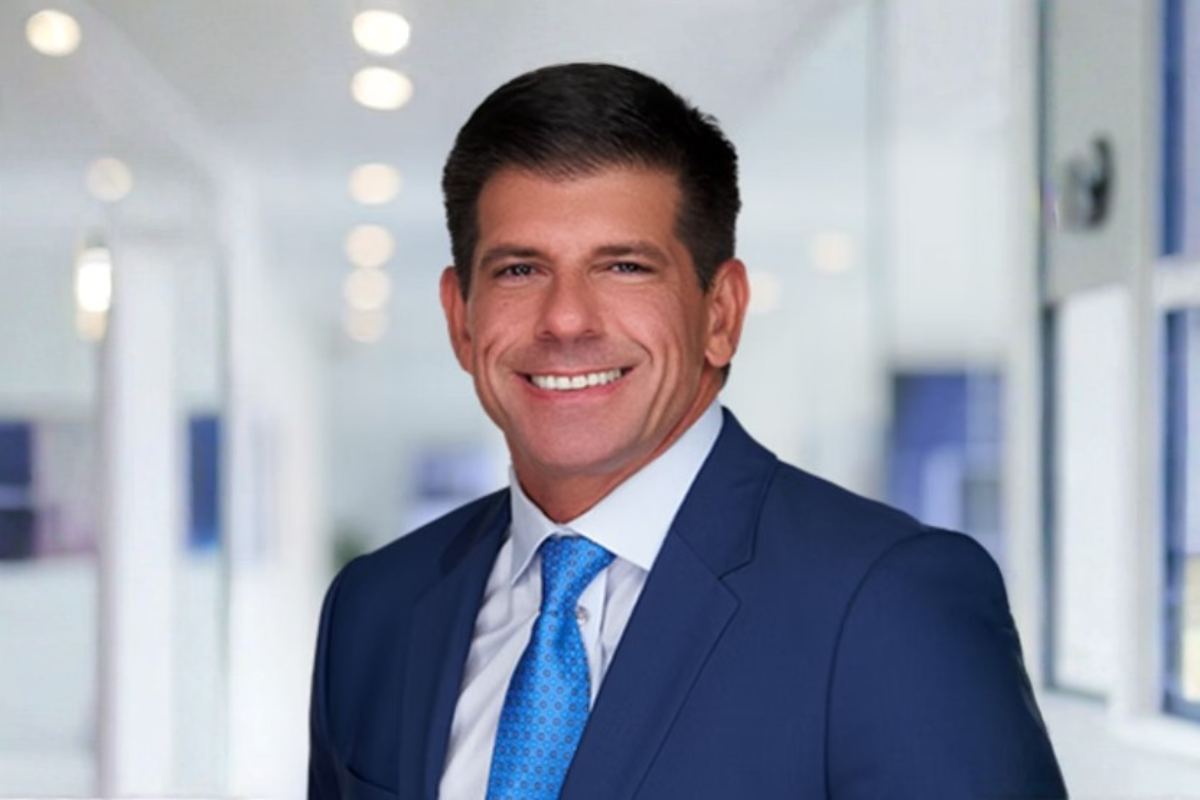
The South Florida real estate market is experiencing a measured correction after years of pandemic-driven volatility, according to Philip Bennett, President of Bennett Capital Partners Mortgage Brokers, who has navigated the region’s lending landscape for over 25 years.
After witnessing unprecedented price appreciation driven by out-of-state migration during COVID-19, the market is now settling into what Bennett describes as a healthier, more sustainable pattern. “I think it’s a good thing. It’s healthy,” Bennett explains. “Values were inflated just because people were evacuating California and New York. They couldn’t operate their businesses there, so they were coming here and buying properties in bidding wars.”
The frenzy of 2020-2021 created extraordinary market conditions. “They were getting 20 to 30 offers on one property,” Bennett recalls. “That’s why values went up so much during that cycle.” Unlike the 2008 crisis, which was characterized by fraudulent lending practices, the recent price surge was driven by genuine supply and demand imbalances.
A Return to Fundamentals
Today’s market presents a clear contrast to the speculative environment of the mid-2000s. Bennett emphasizes that current buyers are thoroughly vetted: “People that are buying right now are qualified. There’s no way around it. There’s no fraud in the market. You can’t get away with anything.”
Underwriting standards have tightened significantly. “Even tax returns that were filed, they want the contact page of the tax returns for income verification. They’ll call employers to get verification of employment forms,” Bennett notes. This rigorous approach extends to down payment requirements, with many investment deals requiring 30-40% down payments.
The market correction has brought practical benefits for qualified buyers. “Everybody buying right now seems to have a good deal,” Bennett observes. “They’re getting seller concessions now, whereas in the past with 20 offers on one property, there was no way they were getting sellers helping with closing costs.”
Shifting Investment Patterns
Bennett Capital Partners Mortgage Brokers, which focuses primarily on residential investment lending (about 80% of its business), is seeing notable changes in investor behavior. The firm specializes in complex transactions, including condo hotels and multi-family commercial projects.
“I’m getting a lot more renovation and construction lending inquiries,” Bennett reports. “Not necessarily for spec homes or fix-and-flip like three or four years ago, but more owner-occupied renovation loans where people want to refinance and do renovations, plus ground-up construction.”
International investment is returning to South Florida. “I was not seeing hardly any international buyers during travel bans,” Bennett explains. “Now I’m getting a lot of inquiries from South America and other international borrowers.”
Short-term rental financing has also emerged as a trend. “I’m getting a lot of short-term rental inquiries for condo hotels and Airbnb financing,” Bennett notes, citing clients who rent rooms on short-term bases, generating substantial returns.
The Rate Lock Dilemma
One of the most significant challenges facing the market is the “rate lock” effect. Homeowners who secured mortgages at historically low rates around 3% are reluctant to sell and purchase new properties at current rates near 7%.
“People don’t really want to sell their house now with a 3% rate and buy a house at 7%,” Bennett explains. “They’d basically have to buy a smaller house for the same payment.” This is constraining inventory and affecting market liquidity.
Regional Opportunities
Despite broader market challenges, Bennett identifies specific opportunities, particularly in Central Florida’s Ocala area, where investors are finding value. He recently worked with a client purchasing a $250,000 property on 11 acres, planning a $130,000 renovation through a specialized loan product.
“There’s a lot of acreage out there,” Bennett explains. “In South Florida, every house is on a lot line with newer houses, but out there people want space.” The appeal extends beyond rural lifestyle preferences, with professionals seeking properties adjacent to national forests and other natural amenities.
Market Outlook
Bennett maintains an optimistic but cautious perspective on Florida’s real estate future. He doesn’t anticipate a bubble similar to 2008, noting that current market dynamics are fundamentally different. “I don’t see a bubble at all, other than just supply and demand,” he states.
The correction in condo markets, particularly in Miami’s high-rise sector, reflects natural market adjustments rather than systemic problems. Pre-construction projects now require substantial deposits and down payments, creating built-in stability mechanisms that weren’t present during the previous boom cycle.
Professional Philosophy
Bennett’s approach to mortgage brokerage emphasizes advisory relationships over transactional volume. “I’m more of an advisor,” he explains. “I don’t telemarket, I don’t advertise like some mortgage companies. I don’t send referral blasts. It’s word-of-mouth.”
This boutique approach has proven resilient across market cycles. Bennett’s firm operates with a small team but maintains deep expertise in complex transactions, particularly condo hotels and investment properties that many lenders avoid.
Looking ahead, Bennett sees continued opportunities for qualified investors and homebuyers who can navigate the current rate environment. While the days of pandemic-era appreciation are over, the fundamentals supporting South Florida’s real estate market remain strong, driven by continued population growth, limited inventory, and the region’s enduring appeal to both domestic and international buyers.
The market’s evolution from speculative frenzy to measured growth represents a return to sustainable real estate fundamentals, positioning South Florida for steady, long-term appreciation rather than the volatile swings that characterized recent years.
Similar Articles
Explore similar articles from Our Team of Experts.