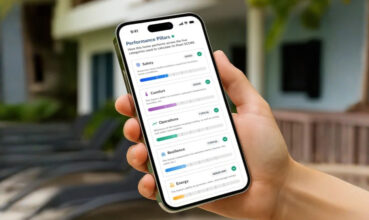

Most commercial real estate brokers spend the first ten minutes of a site visit looking at the ceiling height and the loading docks. Logan Freeman, founder of Kansas City-based Midwest CRE A...

Beyond Compliance: Here’s Why Smart Gas Detection Systems Matter More Than Meeting Deadlines
Share via Facebook

Share via Linkedin

Share via X

Copy to clipboard


While New York City’s Local Law 157 deadline has been extended to January 1, 2027, the conversation shouldn’t be about buying more time, it should be about making the right technical choices that will protect buildings for the next decade and beyond.
Having worked with hundreds of buildings across New York City, I’ve seen firsthand how the decisions made during this implementation period can fundamentally change a building’s operational capabilities and emergency response effectiveness.
Local Law 157, born from the tragic gas explosions in Harlem and the East Village over a decade ago, represents more than regulatory compliance – it’s an opportunity to fundamentally upgrade how we protect our buildings and residents.
The Technical Reality Nobody Talks About
Here’s what most people don’t understand about gas detection: not all systems are created equal, and the cheapest path to compliance often becomes the most expensive long-term decision.
The law requires detectors that meet NFPA 715 standards and UL1484 listings, but within those parameters, there’s a massive spectrum of capability. Basic detectors simply sound a local alarm. Smart-monitored systems provide exact location data, real-time gas concentration levels, and instant alerts to building staff and emergency responders.
The difference? When a basic detector goes off at 2 AM, the fire department arrives at your building and begins searching, manually, slowly, while gas concentrations potentially rise to dangerous levels. If they can’t quickly locate the source, they shut off gas service to the entire building.
That’s when your real problems begin.
The Hidden Cost of Gas Shutdowns
Restoring gas service after an emergency shutdown requires pressure testing at six times normal operating pressure. In my experience, most older buildings fail these tests. The result? Repiping projects that can cost hundreds of thousands to millions of dollars, or conversion to electric systems – a massive capital expense that basic gas detectors were supposed to help you avoid.
Smart-monitored systems change this equation entirely. When our systems detect a leak, responders get precise location data and real-time concentration levels. They can confidently enter apartment 14C knowing the gas is at 15% of LEL – well within safe limits. They turn off the stove, open a window, and the building continues normal operations.
Infrastructure for the Long Term
The engineering choices we make today determine operational flexibility for the next decade. Buildings implementing smart-monitored systems aren’t just installing gas detectors: they’re creating infrastructure that can integrate water leak detection, temperature monitoring, and mechanical fault detection on a single platform.
This matters because the physical realities of building operations haven’t changed, even if deadlines have. Frozen pipes still burst. Boilers still fail. Water still damages multiple floors when left undetected overnight.
The extended timeline to 2027 actually creates an opportunity: buildings can now take the time to implement systems that serve broader operational objectives rather than racing to meet a compliance deadline with the minimum viable solution.
Making the Right Choice
For building engineers and operators evaluating their options, here’s what I recommend focusing on:
Response capability: Can your system tell responders exactly where the leak is and whether it’s safe to enter?
Integration potential: Will this system support your broader building monitoring needs?
Maintenance reality: Are you prepared to manually test hundreds of basic detectors quarterly, or do you want automatic operational verification?
Long-term costs: What does a gas shutdown and repiping project cost versus implementing a comprehensive monitoring system?
The extended deadline isn’t permission to delay – it’s an opportunity to get this right. Because once these systems are installed, they’ll define your building’s operational capabilities and emergency response effectiveness for the next ten years.
Make those years count.
Nadav Schnall is CEO and co-founder of ProSentry, a smart building monitoring company providing comprehensive wireless sensor networks for commercial and residential properties. ProSentry’s platform has prevented over 3,600 potential insurance claims through early detection across hundreds of buildings in New York City.
Disclosure: Individuals or companies mentioned may have a commercial relationship with KeyCrew.
Similar Articles
Explore similar articles from Our Team of Experts.