

The ultra-luxury market in Miami is seeing growth that surpasses previous benchmarks, according to Ana Bozovic, founder and owner of Analytics Miami. In a recent interview, Bozovic offered h...

Orlando’s Luxury Market Sees Most Buyers Avoiding HOA Communities

Written by:
Date:
27 Oct 2025
Share via Facebook

Share via Linkedin

Share via X

Copy to clipboard

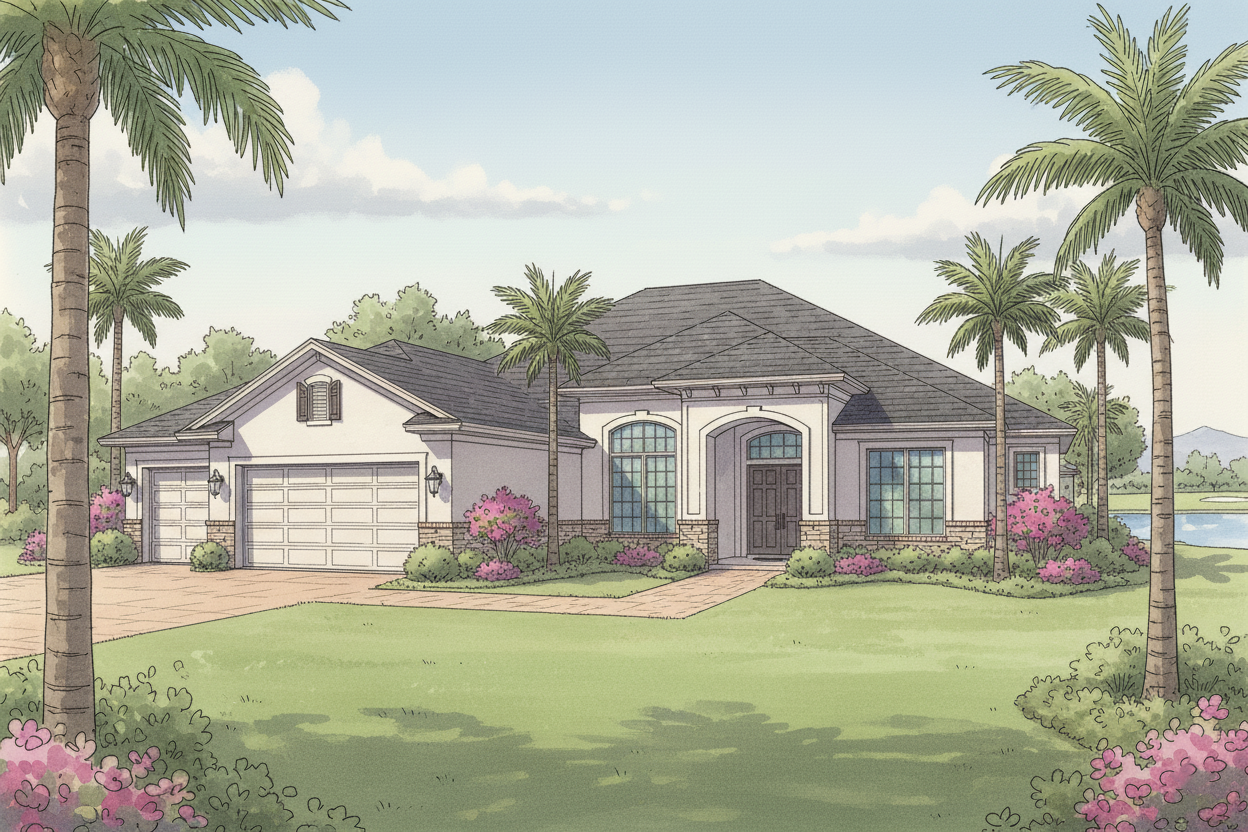
A new trend is emerging in Orlando’s luxury real estate market, with the vast majority of high-end buyers actively steering clear of homeowners association communities, according to Yashmit Gutierrez, a sales associate at EXP Realty. This preference challenges the common belief that luxury buyers seek out managed communities with extensive amenities.
“In my opinion, what I’ve experienced, about 95% of my clients don’t want an association, an HOA,” said Gutierrez, who has over 15 years of sales experience and specializes in Orlando’s luxury market. “When there’s a home that has no HOA, it gets jumped on right away.”
This preference marks a notable shift from typical luxury market expectations, where gated communities with comprehensive amenities are usually seen as highly desirable. Orlando’s luxury market, defined by properties over the million-dollar mark, is showing dynamics that distinguish it from other Florida cities.
Gutierrez notes that many luxury buyers are increasingly steering away from homeowners associations, driven by a desire for greater autonomy and personal freedom. They want the ability to make aesthetic choices, like selecting exterior colors or landscaping designs, without needing approval. Practical concerns also play a role, as buyers value the flexibility to manage their property and parking arrangements on their own terms, free from restrictive HOA rules.
Gutierrez notes that many luxury buyers are unfamiliar with HOA structures. “A lot of buyers, you have to educate them. Even if they’re luxury clients, they don’t know what HOAs are,” she said. This knowledge gap presents an opportunity for agents to guide clients through the implications of HOA membership.
This preference for non-HOA properties is creating distinct segments in Orlando’s luxury market. Non-HOA homes are experiencing faster sales, while properties within HOA communities tend to remain on the market longer, even with added amenities.
Central Florida’s luxury market benefits from a relative abundance of non-HOA options compared to other metropolitan regions. “Florida, especially Central Florida, Orlando, has a lot of that, where you don’t have to be in an association, and you can basically get that freedom in your home,” Gutierrez said.
The typical luxury client driving this trend is often relocating from out of state, especially from California and New York, making up about 80% of Gutierrez’s clientele. These buyers are looking for both primary residences and investment properties, with many planning to eventually move into their Orlando homes.
The growing aversion to HOAs among luxury buyers signals a shift in priorities, with personal autonomy taking precedence over managed amenities. As inventory stabilizes and luxury properties take 45 to 60 days to sell, non-HOA homes continue to have an advantage in both price negotiations and time on market.
This trend suggests Orlando’s luxury market is moving toward a model that values individual freedom over community management, a shift that could impact future development and planning throughout Central Florida.
Similar Articles
Explore similar articles from Our Team of Experts.


Perspectives, Residential Real Estate, Commercial Real Estate, Industry News, Market Analysis & Policy
A dramatic migration pattern is reshaping the New York metropolitan area’s real estate landscape as residents seek more affordable alternatives to Manhattan and Brooklyn, according to ...