

Industry veteran highlights how outdated paper documentation puts building safety at risk, advocating for mobile-first emergency response systems. The difference between minor incident and m...

LA’s Affordable Housing Programs Offer Tax Relief Opportunities for Investors

Written by:
Date:
19 Oct 2025
Share via Facebook

Share via Linkedin

Share via X

Copy to clipboard

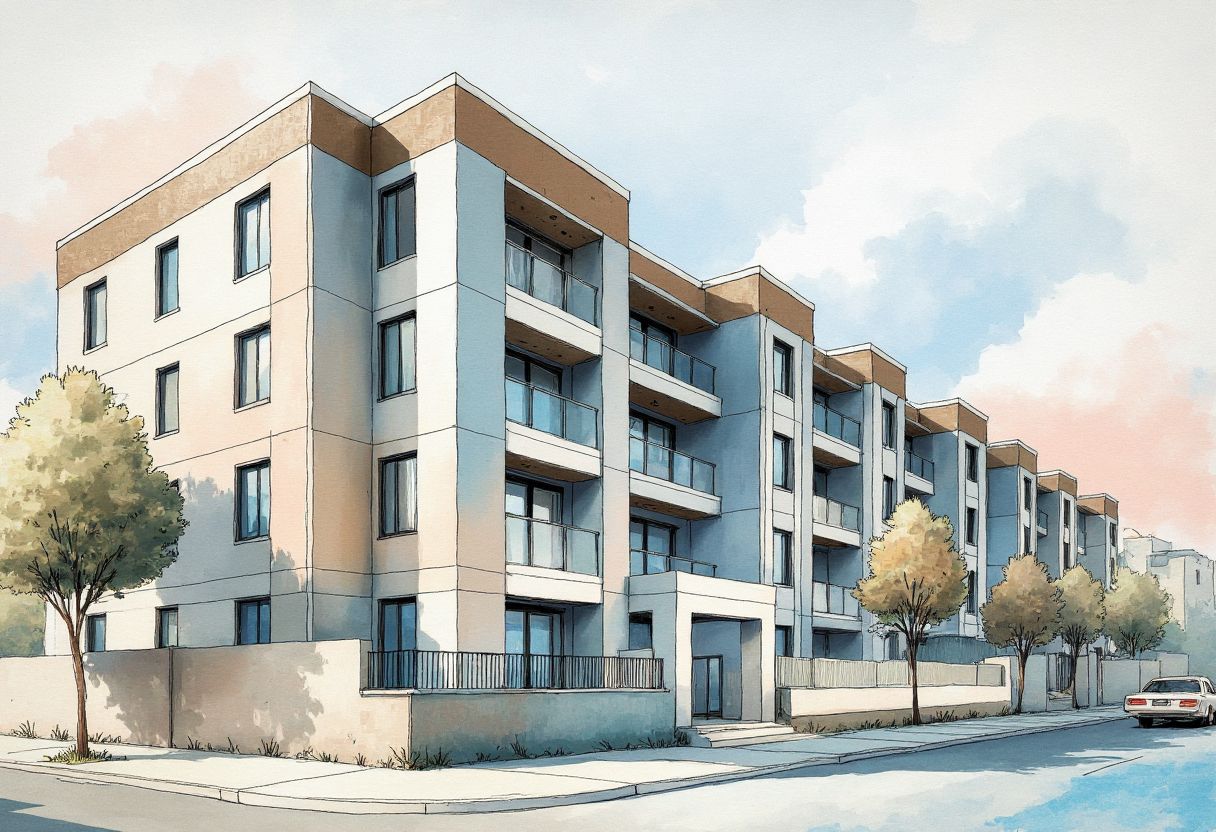
Los Angeles’s affordable housing initiatives are creating unexpected opportunities for multifamily investors grappling with the city’s mansion tax, according to Anna Kampling, First Vice President at CBRE.
“The affordable space is really big, which is great in two parts,” Kampling says. “It’s keeping that naturally occurring rent control so teachers and policemen and hospital workers can all kind of live where they work, versus being pushed out by inflation and unattainable rent increases.”
Beyond the social benefits, Kampling points to a significant financial incentive. “It’s really good in Los Angeles in particular because it voids your mansion tax, which is a 5.5% tax on top of any transaction over 10 million,” she explains.
This tax exemption has become particularly attractive given current market conditions. “With people already taking losses due to loans maturing and their properties worth basically the same thing because they weren’t unable to execute the business plan, those owners are loving the affordable programs,” Kampling notes.
Market Challenges Driving Interest
According to Kampling, several factors have contributed to owners’ interest in affordable housing strategies. “LA in particular has just been beaten down by rules and regulations of the city and the mansion tax, and there was a rent and eviction moratorium for three years during COVID,” she says.
These challenges have particularly affected institutional investors who purchased properties between 2017 and 2019. “A lot of the institutions weren’t able to execute their business plans,” Kampling explains. “So a lot of the buildings are still worth the same price they were when they paid like seven to 10 years ago.”
The Solution: Strategic Repositioning
CBRE has been working with owners to evaluate affordable housing conversion as a potential strategy. The approach can help address both social needs and financial objectives, particularly for properties facing challenging market conditions or upcoming loan maturities.
“It’s kind of keeping that naturally occurring rent control sound,” Kampling says, suggesting these programs could help maintain workforce housing while providing investors with viable exit strategies in a challenging market.
Similar Articles
Explore similar articles from Our Team of Experts.



Perspectives, Commercial Real Estate, Market Analysis & Policy, Real Estate Investment, Industry News, Featured Articles
Property expert says economic development initiatives are creating unexpected retail opportunities in secondary markets. A wave of semiconductor manufacturing investment is reshaping the ret...