The Canadian real estate market is experiencing a notable shift that could present significant opportunities for buyers, particularly first-time homeowners, according to industry veterans wh...

Building Community With Intentional Development Approaches

Written by:
Date:
15 Sep 2025
Share via Facebook

Share via Linkedin

Share via X

Copy to clipboard

The multifamily development landscape faces significant challenges as construction costs remain high and interest rates continue to impact project feasibility. Despite these pressures, some developers are finding ways to create positive community impact while maintaining financial viability, often by moving beyond traditional affordable housing models.
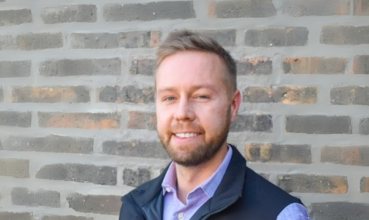
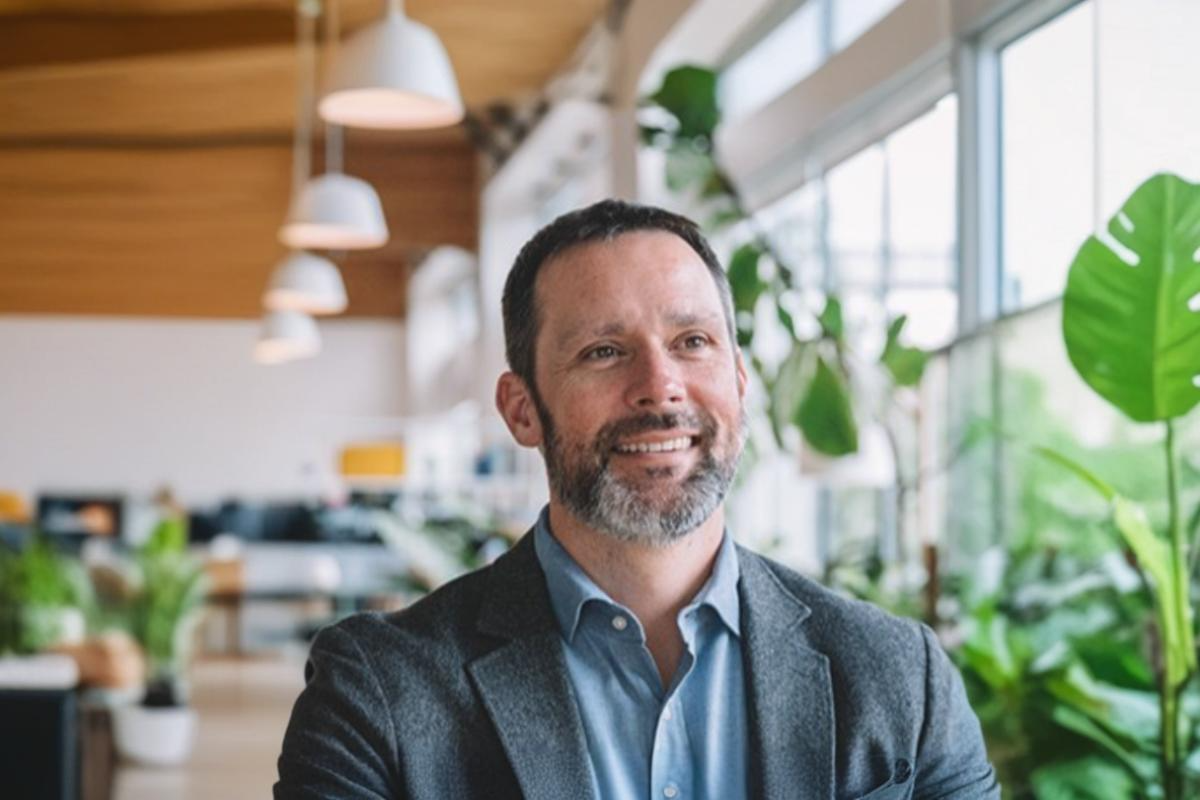
Cassidy Bolger, Director of Development at Killian Pacific, exemplifies a new generation of developers who see their projects as opportunities to build community rather than simply create real estate. His background, from construction worker to architect to developer, gives him a distinctive perspective on how buildings can serve broader social purposes.
“I actually started out working construction when I got out of undergraduate college because I wanted to make stuff,” Bolger says. “After a couple years, I asked the question: who’s deciding what I’m building here? Oh, it’s the architect. So I went to architecture school, and then had an opportunity to represent the ownership side of a large multifamily project in Portland.”
A Philosophy Grounded in Community
Founded five decades ago by George Killian, Killian Pacific has evolved under the guidance of its Leadership Team and Investment Committee into a certified B Corporation that manages, develops, and owns a range of industrial, retail, office, and housing properties. The company is distinguished by its commitment to balancing profitability with community benefit.
“We work a little bit harder to try to give a little bit more back in our communities,” Bolger says. “We’re not an affordable housing producer, we’re not a nonprofit. We’re just trying to really push what we do and push our industry locally to give more back, whether that’s sustainability, equity and diversity and inclusion, or arts and culture.”
This philosophy is evident throughout Killian Pacific’s portfolio. Art integration is a visible element, with murals and commissioned artwork welcoming visitors to their developments. The company’s commitment also extends into the technical aspects of construction and long-term planning.
Prioritizing Net Zero Ready Development
Killian Pacific incorporates ‘Net Zero Ready’ design from the outset rather than treating sustainability as an afterthought. At their Jackstraw project in Bend, Oregon, which is completing this October, the building is fully prepared for solar installation, even though panels are not being installed immediately.
“We’re not installing it on day one, but we have the structure there. We have the pathway. We have the room in the electrical room, all those kinds of things,” Bolger says. “Because we build and develop to hold over generations. We know that as technology improves, it’ll increase our ability to recover more sunlight.”
This approach reflects a strategy focused on long-term value creation rather than quick turnover, enabling infrastructure investments that may not yield immediate returns but set properties up for future upgrades.
Innovative Community-Focused Programming
One of Killian Pacific’s most creative strategies is addressing community challenges through unique programming. At the Jackstraw development, two townhome-style ground-floor units are being piloted for use by in-home family childcare operators, the first known program of its kind in the state.
“We have two of our two-story townhome style ground-floor units set aside to find people to run in-home daycare in them”, Bolger says.
This initiative addresses multiple community needs at once. Oregon permits certified providers to operate daycare for up to ten children in residential settings, but this model has rarely been implemented in apartment buildings. By creating housing that also meet the needs of childcare providers, the development identified a new tool for tackling the shortage of childcare options.
“We know we have a shortage of daycare providers here, and that’s pretty common in a lot of parts of the country right now,” Bolger says. “When we initiated thoughts about this project, we asked what are the things we could do here that would benefit the community, and that daycare thing came up a lot.”
A local nonprofit is running a training program for potential daycare providers, and Killian Pacific plans to connect with graduates who need housing to start their businesses. This arrangement supports a sustainable model where community benefit and financial viability align.
Navigating Market Challenges
Despite these innovative efforts, Killian Pacific faces the same challenges as other developers. Construction costs surged during the pandemic, and subsequent interest rate hikes have made achieving market returns difficult on many new projects.
“We had huge cost run-ups at the tail end of the pandemic shutdown as a result of supply chain and scarcity,” Bolger says. “Not long after that was followed by an interest rate increase that was significant. Those two things alone make achieving market returns on most new projects in our markets not really feasible.”
Bolger sees some improvement ahead, with construction costs stabilizing as project activity slows and the possibility of lower interest rates in the future. The company remains committed to financial responsibility alongside its community focus.
“In any project, we have a fiduciary responsibility to ourselves and our investors to make sure that we’re going to pursue something that will be financially beneficial to those who take the risk to make it happen,” he says.
Regional Advantages in the Pacific Northwest
The Pacific Northwest provides several advantages for Killian Pacific’s approach. Portland remains the most affordable West Coast city, offering strong quality of life, good transit, and proximity to both ocean and mountains—factors that continue to attract residents.
“It’s an excellent quality of life here,” says Bolger, who was born and raised in the area. “I think that’s what drove the Portland metro boom 10 to 15 years ago, and I think that will be why we recover strong.”
The region’s political leadership has also been supportive of housing development. As vice president of the board of Oregon Smart Growth, Bolger has seen constructive changes in local governance.
“We’ve seen really good leadership from the governor’s office in Oregon in pro-housing movements,” he says. “We have a whole new form of government right now and a new mayor, and we’ve been working hard to try to lift up the conversation about housing and how we get more housing.”
A Holistic Approach to Development
As market conditions improve, Killian Pacific’s model offers insights for developers looking to balance community impact with financial returns. Their approach shows that social benefit does not require sacrificing profitability, but instead calls for creativity in program design and long-term thinking about value creation.
The company’s integration of art, sustainability features, local retail support, and innovative programming like in-home daycare creates developments that function as community assets, not just housing products. Even small features, such as incorporating pollinator hotels and supports biodiversity initiatives as part of our sustainability regenerative practices commitment, reflect a comprehensive approach to place-making.
“We integrate beehives and bees into our projects because pollinators are very important, particularly in the Willamette Valley and the West Coast, where we grow a lot of stuff in this fertile valley and we need the bees to help us,” Bolger says.
For an industry often criticized for prioritizing profits over community needs, Killian Pacific’s certified B Corporation model points to a path where financial success and social impact can coexist. As housing affordability challenges persist nationwide, their creative approach to programming and community integration provides valuable lessons for developers open to new models.
The key is to see each project not just as a real estate transaction, but as an opportunity to address community needs through thoughtful design and programming. In an era when housing costs strain communities across the country, this holistic approach to development may represent a more responsible and sustainable future for real estate.
Similar Articles
Explore similar articles from Our Team of Experts.