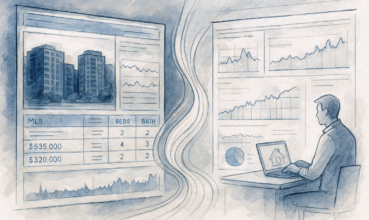

The Northwest Arkansas real estate market is showing signs of a significant shift in negotiating power, according to Jaclynn Vienola, a realtor with New Vision Real Estate. After years of se...

Interest Rates, Insurance, and Labor Costs Form ‘Perfect Storm’ for Hotel Owners, Expert Warns

Written by:
Date:
16 Sep 2025
Share via Facebook

Share via Linkedin

Share via X

Copy to clipboard


The hotel industry faces unprecedented pressure from three simultaneous cost increases that are fundamentally reshaping property economics, according to a leading Florida hospitality broker.
“The biggest three things that we’re seeing are obviously interest rates, insurance and labor,” says Suraj Dalal, Partner at Kabani Hotel Group, describing what he sees as a perfect storm of operational challenges facing hotel owners in 2025.
The Triple Threat Impact
While any one of these factors might be manageable in isolation, their combined effect is forcing owners to completely recalibrate their operational models and exit strategies, according to Dalal.
The labor component has been particularly dramatic. “Labor has gone a lot more expensive since prior to the pandemic,” Dalal notes, affecting everything from daily operations to maintenance and renovation costs.
Insurance: A Florida-Specific Challenge
In Florida’s unique market, insurance presents an additional layer of complexity. “Insurance rates were growing significantly, especially after the last couple of years,” Dalal says. While he notes some recent stabilization in policy costs, he cautions that the situation remains precarious: “It just takes one more hurricane for everything to go upside down again.”
The Hidden Cost Surge
Beyond these direct operational costs, Dalal points to a less obvious but significant factor affecting transactions: property tax reassessments. “When somebody takes over the property, their property taxes are re-triggering,” he explains. “All these buyers that are coming into the deal where the sellers picked it up and they’re saying, ‘Look how much we’re making on our end,’ it’s very different when a buyer takes over.”
Revenue Pressures Compound Cost Challenges
Adding to these cost pressures, Dalal notes that revenues have “drastically dropped in the hospitality industry across the board.” He points to reduced international travel as one factor, citing how “Toronto used to have numerous flights a day, and now they’re only at one.”
Solutions and Adaptation Strategies
While some owners are exploring creative solutions like price allocation strategies to manage tax impacts, Dalal suggests the industry may need to wait for broader market shifts, particularly interest rate cuts, before seeing significant relief.
In the meantime, he advises owners to stay particularly vigilant about property valuations. “Whether you’re interested in selling or not, it’s a good idea to just get a valuation done every once in a while,” Dalal says. “It helps you decide where you’re at in the market and what you want to do, whether it be now or next year.”
Similar Articles
Explore similar articles from Our Team of Experts.