Debt funds in multifamily lending have multiplied in recent years, expanding the availability of capital on paper. But their highly specific underwriting requirements regarding property age,...

Dearborn Officials Highlight Housing Potential to Address Cultural Demand

Written by:
Date:
29 Aug 2025
Share via Facebook

Share via Linkedin

Share via X

Copy to clipboard

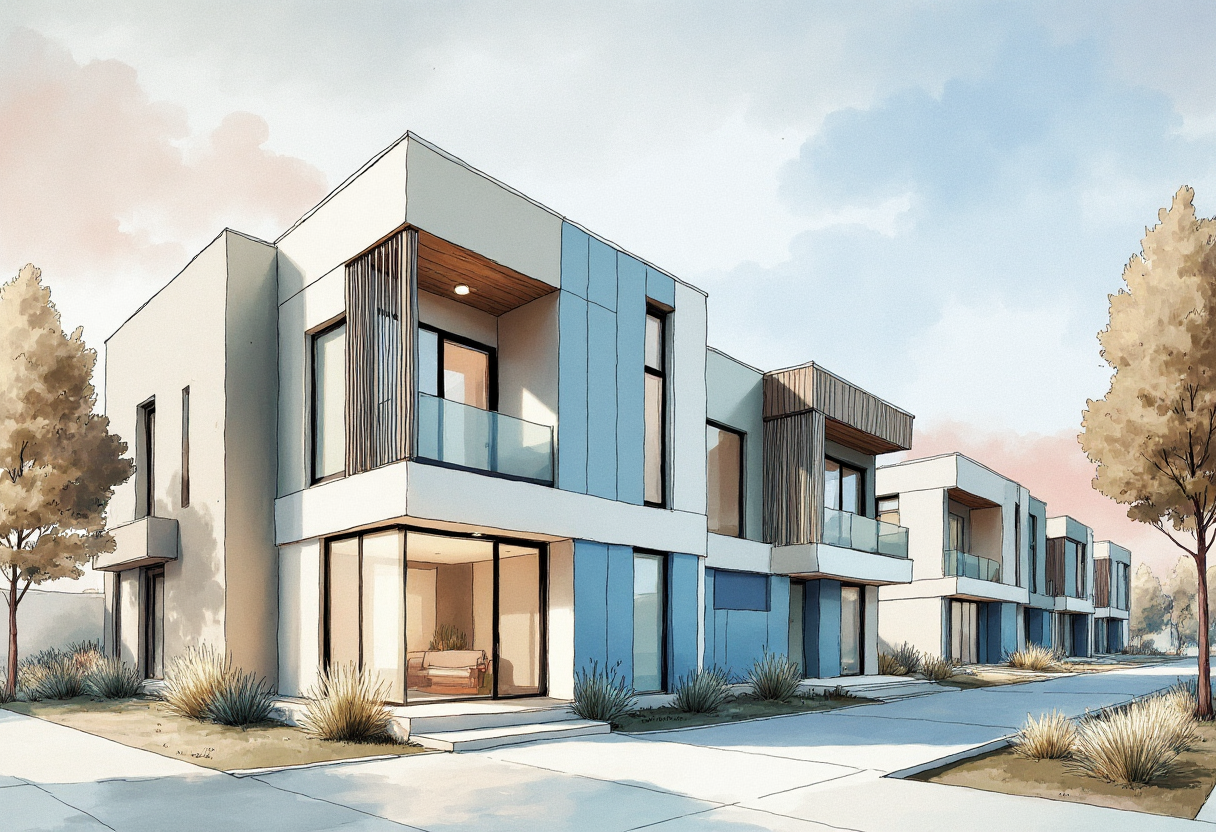
Dearborn’s housing market is facing unprecedented demand driven by unique cultural factors, with capacity to immediately absorb thousands of new units, according to Angela Fortino, Deputy Director of Economic Development at the City of Dearborn.
“We can absorb 1,500 units in the next 10 years easily, like we could use them now today. On top of that, we could confidently absorb an additional 2,000,” Fortino states, citing a fresh 2025 market study.
The Cultural Housing Challenge
The city’s housing needs are shaped by its position as one of the densest Arab American communities in the country, creating unique demands for multi-generational living spaces. “We have a very large immigrant population,” Fortino explains. “With that comes a desire, both culturally and pragmatically, to have mom, child and then grandparent as they age, all living under one roof.”
Breaking Down the Demand
According to Fortino, the housing market is showing strong demand across multiple categories, reflecting diverse lifestyle needs and shifting demographics. Studio and one-bedroom units remain highly sought after, particularly among young professionals and first-time buyers seeking affordability and flexibility. Townhomes are also in demand, offering a balance between space and community living. Single-bedroom houses appeal to those looking for compact yet private options, while multi-generational housing solutions are gaining traction as families prioritize shared spaces that accommodate multiple age groups under one roof.
Regulatory Evolution
The city’s existing housing stock, with 73% built before 1959, presents significant challenges in meeting modern needs. “We know our land use codes are outdated,” Fortino acknowledges. “We’re trying to make the development process easier by looking at our building codes and zoning ordinances to help us achieve that work.”
Market Response and Opportunities
The market is already seeing response from unexpected quarters. “We have what I lovingly call ‘accidental developers,’ successful doctors who have picked up land as Ford Motor Company has been selling their property,” Fortino says. These new entrants are partnering with experienced developers to create mixed housing solutions.
Looking Forward
The city is actively working to facilitate development through code updates and zoning changes. “We’re tackling accessory dwelling units,” Fortino notes, indicating the city’s willingness to embrace innovative housing solutions that can accommodate multi-generational living while maintaining neighborhood character.
Similar Articles
Explore similar articles from Our Team of Experts.