Arizona continues to attract thousands of new residents each month, but this influx is creating new complexities for buyers and sellers in the state’s evolving real estate market. With Pho...

Ultra-High Net Worth Migration Drives Global Real Estate Demand

Written by:
Date:
25 Aug 2025
Share via Facebook

Share via Linkedin

Share via X

Copy to clipboard

The luxury real estate market is experiencing a significant shift as ultra-high net worth individuals increasingly seek “real estate without borders,” creating new opportunities and challenges for top-tier professionals serving this exclusive clientele.
This trend toward global mobility is changing traditional luxury markets and creating concentrated wealth hubs in unexpected locations. According to recent analysis from REALM Global, a network representing $50 billion in luxury real estate transactions, certain destinations now have extraordinary concentrations of ultra-high net worth residents.
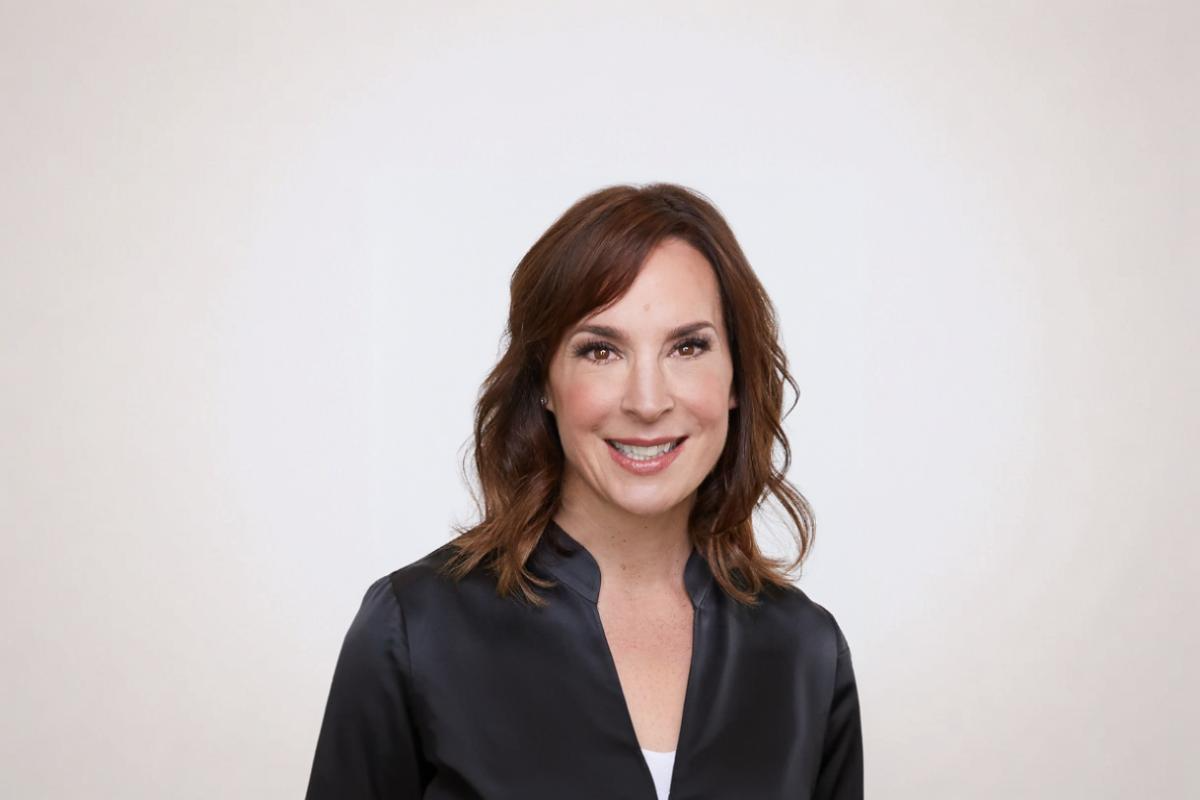
“Monaco and Naples, Florida are on the same level in terms of concentration, one every 80 people in those communities are ultra-high net worth,” explains Julie Faupel, REALM Global. This statistic illustrates how wealth is clustering in specific markets, creating unique dynamics for luxury real estate professionals.
International Movement Accelerates
The desire for geographic flexibility has increased significantly, driven by factors ranging from tax optimization to lifestyle preferences. Spain and Portugal have emerged as particularly popular destinations, while London maintains its position as a global wealth magnet.
Tax-friendly jurisdictions continue to attract interest, with Wyoming, Florida, Texas, and Nevada leading domestic migration. Internationally, the Middle East presents opportunities, with Abu Dhabi and Dubai standing out for their wealth-friendly policies and cultural openness.
“These are communities that are wealth friendly, culturally friendly, incredibly innovation forward and thought leading,” Faupel notes about Middle Eastern markets. “Those are communities that will continue to grow and have appeal with the global world traveler.”
The pandemic appears to have accelerated this trend toward geographic diversification. “The younger generations have all been raised with that perspective of ‘I don’t have to be confined by one space.’ The pandemic really exacerbated that, and now people are everywhere,” Faupel observes.
Market Concentration Creates Opportunities
REALM Global’s network demonstrates the concentration of luxury market activity among top performers. While representing less than 0.3% of all brokers, REALM members handle approximately 4% of total luxury dollar volume.
The average REALM member generates approximately $90 million in annual sales, highlighting the significant market share captured by elite performers. This concentration reflects broader industry dynamics where top producers increasingly dominate luxury transactions.
“We’re not just brokers, we’re market makers,” Faupel emphasizes. “As the industry bifurcates, we’re the ones that rise to the top as community builders.”
Beyond Traditional Real Estate Services
The evolution of luxury real estate services extends far beyond property transactions. Today’s ultra-high net worth clients require comprehensive lifestyle support, from vehicle procurement to art collection expansion.
Recent partnerships illustrate this expanded scope. REALM Global has forged relationships with Denison Yachts for clients requiring yacht services and Gaggenau for luxury kitchen design needs. These collaborations reflect the interconnected nature of luxury spending.
“Each spend informs another spend,” Faupel explains. “When somebody buys a second home, they need vehicles, interior designers, additions to their art collection. If they’re buying something in Miami, they might need a place for their 60 or 70 or 100-foot yacht.”
This ecosystem approach has proven successful, with partnerships like Rivian generating vehicle sales through the REALM network. The strategy recognizes that luxury real estate transactions often trigger multiple related purchases and service needs.
Resilience During Market Challenges
Despite current market headwinds, top luxury professionals are using adversity as an opportunity to gain market share. The approach contrasts with competitors who reduce service levels during challenging periods.
“Right now is the time, especially when you have headwinds, whether economic, geopolitical, industry-wide, or inventory-vide, that adversity is when you gain market share,” Faupel notes. “This is when people need us to deliver even more than what we promised.”
This philosophy has proven effective during previous downturns. During the last recession, maintaining or increasing service levels while competitors cut back allowed top performers to capture greater market share and build stronger client relationships.
Strategic Partnerships and Innovation
The luxury real estate sector is increasingly characterized by strategic partnerships that extend beyond traditional industry boundaries. Recent collaborations include relationships with family offices involved in major development projects.
These partnerships provide insights into place-making and community development that inform broader real estate strategies. “There’s a great big world out there. People are doing remarkable things, and how do I learn from those things so I can take that expertise back and capitalize on that with my clients,” Faupel explains.
The approach reflects a broader trend toward viewing real estate professionals as trusted advisors rather than transaction facilitators. This evolution requires deeper market knowledge and broader professional networks.
Technology and Global Connectivity
The infrastructure supporting global luxury real estate has changed significantly. Digital platforms enable seamless communication across time zones, while international banking relationships facilitate complex transactions involving multiple currencies and jurisdictions.
Professional networks like REALM Global serve as crucial connectors, linking top performers across different markets and enabling sophisticated referral relationships. This connectivity proves essential as clients increasingly operate across multiple countries and continents.
Future Market Dynamics
Looking ahead, the trend toward global mobility among ultra-high net worth individuals appears likely to accelerate. Factors including remote work capabilities, digital nomad visas, and evolving tax policies will continue shaping migration patterns.
Markets that successfully position themselves as wealth-friendly destinations while maintaining cultural appeal and infrastructure quality will likely capture disproportionate shares of this mobile wealth. The concentration effect observed in places like Monaco and Naples, Florida may expand to additional markets.
For luxury real estate professionals, success increasingly depends on building global networks, understanding international regulations, and providing comprehensive lifestyle services. The traditional model of local market expertise must expand to encompass global perspectives and capabilities.
The changes reflect broader shifts in how ultra-high net worth individuals view residence, citizenship, and lifestyle. As these clients become increasingly global in their outlook and operations, the real estate professionals serving them must evolve accordingly, creating new opportunities for those who successfully adapt to this changing landscape.
Similar Articles
Explore similar articles from Our Team of Experts.