

Charleston’s historic real estate market is operating under conditions that diverge from broader national trends. While luxury housing markets in other cities have seen prices fluctuate wi...

"We Carry 90% of the Risk," Says Connecticut Builder Rejecting Industry's Cost-Shifting Trend

Written by:
Date:
28 Jul 2025
Share via Facebook

Share via Linkedin

Share via X

Copy to clipboard

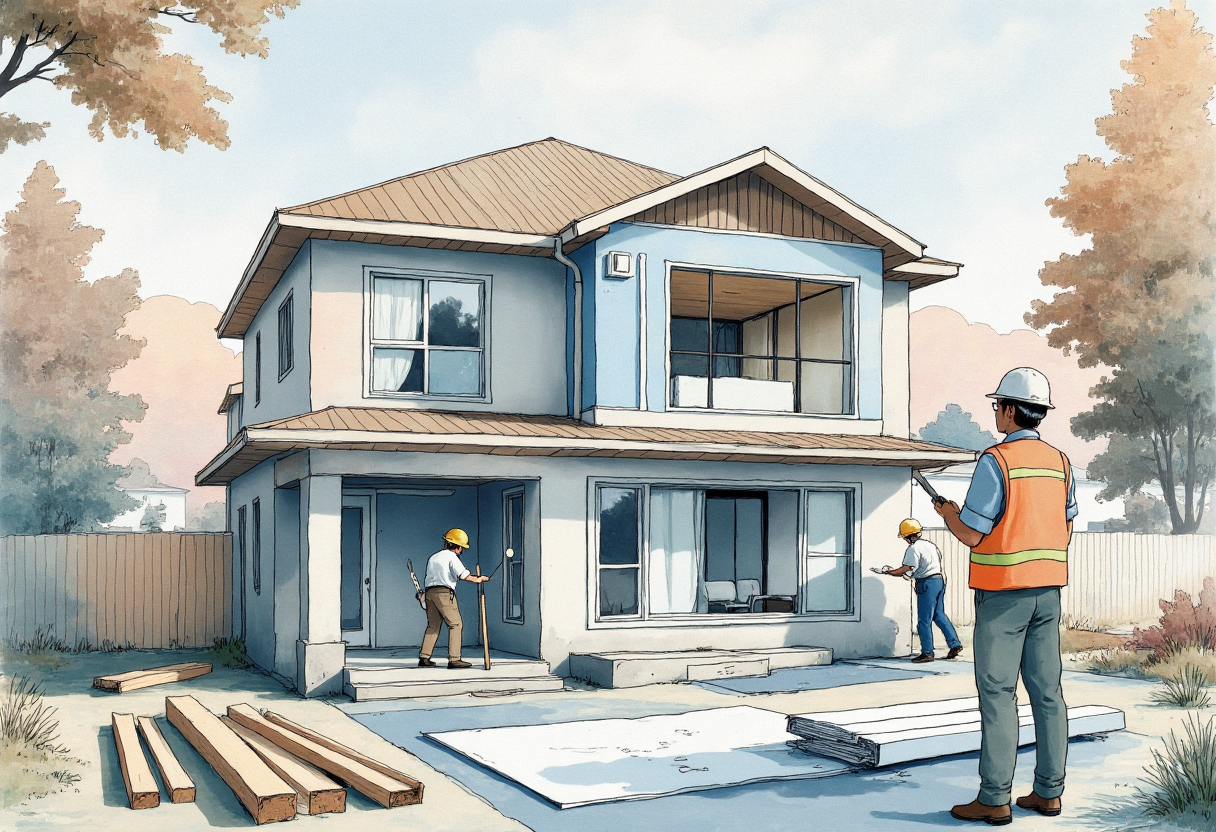
While many builders are inserting escalation clauses to protect against rising material costs, one Connecticut firm is taking the opposite approach, absorbing most cost increases rather than passing them to buyers.
“We take a lot of pride in being an at-risk builder…once you sign a contract with us, if materials end up costing more, whether it’s aluminum or lumber or paint or labor or whatever it is…we’re not going to be passing those increases on to the buyer,” says Jason Helton, Sales Consultant at EG Group Realty.
Breaking with Industry Practice
This approach stands in sharp contrast to common industry practices, Helton notes. “A lot of builders have an escalation clause in their contract, where, if they do realize an increase in their materials, that will be passed on to the buyer.”
Instead, EG Group takes a different stance: “We carry a 90% burden, and the buyer would carry a 10%…we have the 90% charge of building the home, covering the cost of all the materials and labor…up until the point where we deliver the Home to a buyer,” Helton explains.
Market Uncertainty Drives Need for Certainty
The company’s risk-absorption policy comes at a time of particular volatility in construction costs, driven by factors including tariffs and supply chain disruptions.
“With the uncertainty in the market and tariffs and governmental policy and all that kind of stuff…buyers are just really unsure and just need some reassurance,” Helton observes.
A Long-Term Investment in Trust
While potentially costly in the short term, EG Group sees their risk-absorption approach as an investment in buyer confidence and long-term reputation.
The strategy appears to be working, while other markets see pullbacks, Helton reports steady sales momentum, with buyers particularly valuing the price certainty in uncertain times.
The company plans significant expansion over the next five years while maintaining this buyer-protective approach, suggesting confidence in the sustainability of their risk-management model despite ongoing market volatility.
Similar Articles
Explore similar articles from Our Team of Experts.