

The ongoing housing affordability crisis has led to new solutions from unexpected areas of the real-estate sector. American Pledge Foundation, a Birmingham-based nonprofit, has developed a �...

Luxury in the Hamptons: A Veteran Broker's Perspective on a Unique Market

Written by:
Date:
18 Dec 2024
Share via Facebook

Share via Linkedin

Share via X

Copy to clipboard

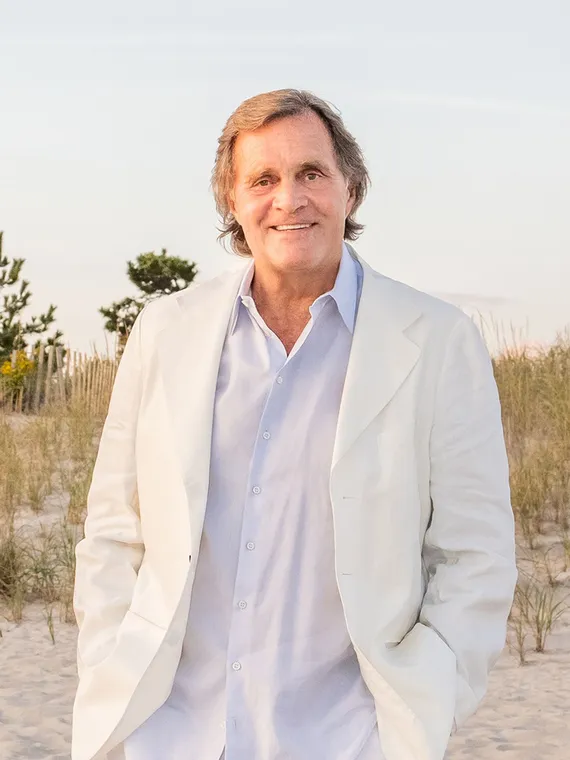
For Harald Grant, Associate Broker and Senior Global Real Estate Advisor at Sotheby’s International Realty, the Hamptons real estate market isn’t just about properties—it’s about understanding a unique ecosystem where traditional market dynamics often take a back seat to exclusivity and desire.
As one of the original brokers who helped establish Sotheby’s presence in Southampton in 1987, Grant has witnessed the transformation of the Hamptons from a seasonal retreat to one of the most coveted luxury markets in the world. What started as a six-broker office has grown into a powerhouse operation with four offices and over 100 brokers, reflecting the area’s meteoric rise in the luxury real estate sector.
“We live and work in a secondary luxury marketplace,” Grant explains, drawing a distinction from primary residences. “It’s basically somebody wants a home in the Hamptons—they don’t need a home in the Hamptons, just like Aspen or Vail.” This fundamental characteristic shapes everything about the market, from pricing strategies to buyer behavior.
The COVID-19 pandemic marked a significant turning point for the Hamptons market. Prior to the pandemic, the area had experienced a relatively quiet period, with properties stagnating and rental-dependent owners growing nervous about meeting their mortgage obligations. However, the exodus from urban areas during COVID-19 dramatically shifted the landscape, with properties selling at 10-15% above market price as city dwellers sought refuge in more spacious, rural settings.
The region’s enduring appeal, according to Grant, stems from a combination of natural assets and practical advantages. “The Hamptons have probably the best beaches in the country, let alone the world,” he notes. The area’s pristine waters, enhanced by its geographical position over 100 miles from New York City, coupled with low crime rates and excellent transportation infrastructure—including access to multiple airports—make it an attractive proposition for those who can afford it.
In the current market, oceanfront properties remain the crown jewels of the Hamptons real estate scene. “Ocean Front out here is a separate animal altogether,” Grant observes. “If somebody wants a property and they list it, people usually step up for oceanfront.” The market follows a clear hierarchy: oceanfront properties command the highest premiums, followed by inland waterways like Shinnecock Bay and Sag Pond, and then estate section properties near the beach.
Looking ahead to 2025, Grant maintains an optimistic outlook, particularly for the spring market. The recent positive momentum in Wall Street following the election has boosted confidence among luxury buyers.
Drawing from his four decades of experience, Grant emphasizes the market’s remarkable resilience. “We never really had a turn down market,” he reflects, noting that even during the 2009 financial crisis, the Hamptons market remained relatively stable rather than experiencing dramatic declines. This stability is further reinforced by limited inventory and conservation efforts, with local townships actively purchasing properties to maintain the area’s rural character.
The market’s evolution continues with new dynamics, including the emergence of boutique agencies and changing tax structures. A 3.5% property tax on luxury homes, combined with mansion and Peconic taxes, contributes to local conservation efforts—a feature that Grant views positively. “It’s nice to drive through farm fields and see that still, rather than developments everywhere,” he notes, highlighting the delicate balance between development and preservation that keeps the Hamptons’ allure intact.
For Grant, who has been a cornerstone of the Hamptons real estate scene since the 1980s, the market’s fundamental appeal remains unchanged: it’s a unique confluence of natural beauty, accessibility, and exclusivity that continues to attract the country’s wealth. As the market evolves, his deep understanding of its nuances and cycles continues to serve as a valuable compass for navigating this distinctive luxury landscape.
Similar Articles
Explore similar articles from Our Team of Experts.