Many older homeowners would prefer to stay in their homes as they age. In the D.C. metro, the homes themselves are often the obstacle, and the process for building alternatives can be just as slow. The result is a steady stream of long-held houses reaching the market not because their owners chose to move, but because the house stopped working for them.
Marc Cormier, an agent with Berkshire Hathaway HomeServices PenFed Realty who focuses on probate and senior downsizing sales, sees that gap play out in his clients’ homes. “Most people would like to stay, but they can’t,” he says of aging in place. “The houses are older, so it’s harder for folks to age in place.”
The mismatch matters more as baby boomers begin to sell. Cormier sees today’s senior transition sales as the start of a larger generational wealth transfer. Whether the region’s housing can adapt to its aging owners, and whether new homes can be built for them, will shape how that transfer plays out.
Built for Another Era
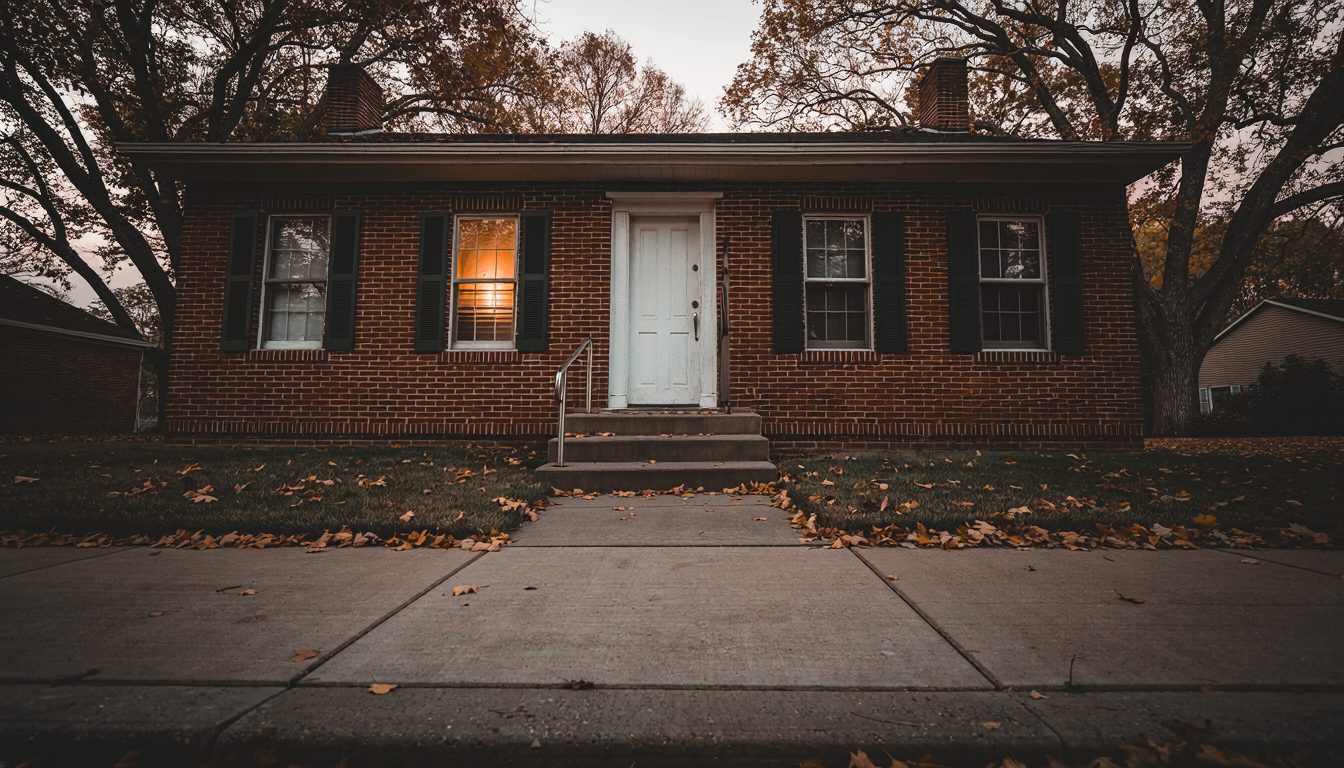
Many of the region’s older homes were built for owners who could climb stairs without a second thought. Cormier says many of the homes he handles have steps leading up to the entrance and no full bathroom on the first floor, which makes daily life harder as mobility declines. “Going up and down the stairs is a problem,” he says.
The owners in these situations have often lived in the same house for decades, and the homes show it. “The kitchen was last renovated in 1970,” Cormier says, describing a typical case. Systems and finishes that went untouched for decades leave a house that fits its owner’s history but not their current needs.
When Retrofits Fall Short
Before a family decides to sell, Cormier says the first step is usually to ask whether the house can be adapted. A half bathroom might become a full one, a closet might be converted into a bathroom, or a ground-floor room might be turned into a bedroom so the owner can live on one level.
In practice, those conversions often stall. Renovation costs add up, and local permitting adds time that older owners may not have. “It’s difficult,” Cormier says, and when the changes can’t be made, families end up selling because “they just can’t stay in the house.”
The same decades without updates then shape the sale itself. Many of these homes need work before they can reach their full value, and Cormier says his team looks for the most economical improvements rather than full remodels. The priority is making a house financeable and livable for the next owner without overspending on the way out.
New Construction Moves Slowly
If existing homes are hard to adapt, new homes designed for aging owners should fill the gap. Cormier’s experience suggests that path is slow too. He is currently working on a single-family home in Silver Spring where the builder included a first-floor primary suite specifically for aging in place.
“It’s taken us forever to get permits,” he says. He sees the project as the kind of housing the area needs, a home where a family could care for an elderly parent or a relative who needs assistance. “The bureaucracy is just making it so difficult for us to get it built,” he says.
Those delays carry a cost that lands on buyers. “I call them hidden taxes,” Cormier says of permitting expenses. “If they charge more to the builder to get permits, well, he can only pass it on to the buyer.” The result is that the homes best suited to an aging population take longer to deliver and cost more when they arrive.
Who Buys These Homes
When these houses do sell after updates, Cormier says the buyers are rarely investors or builders looking for teardowns. Instead, they tend to be households stepping up from a condo, families buying into a particular school district, or buyers purchasing what they can afford now with plans to customize later.
That pattern points to a quiet turnover in the region’s housing. Homes that no longer fit one generation’s needs are passing to younger households who can live with the stairs and the older layouts, at least for now. Cormier notes that investor offers in this segment often come in at 60 to 70 cents on the dollar, well below what a prepared home can command on the open market.
Carrying Costs Keep Rising
The buyers taking over these homes face their own pressures. Cormier says many younger buyers, used to mortgage rates below 5 percent, find today’s rates a shock. Rates are only part of the monthly picture, though. “I guarantee you that you’re not going to see your property taxes and your insurance going down anytime soon,” he says, noting that a payment that starts at one level can climb by hundreds of dollars within a few years.
That combination ties the two ends of the market together. Older owners leave homes they can no longer adapt, younger buyers absorb rising ownership costs to take them over, and new homes designed for aging in place move slowly through permitting. Cormier sees little relief on the policy side. “There has to be something done,” he says. “And it’s not happening.”
About the Expert: Marc Cormier is a real estate agent with Berkshire Hathaway HomeServices PenFed Realty, serving Maryland, D.C., Virginia, and Delaware. With nearly 27 years in the business, he specializes in probate sales and senior downsizing transitions.
This article is based on information provided by the expert source cited above. It is intended for general informational purposes only and does not constitute legal, financial, or real estate advice. Readers should conduct their own research and consult qualified professionals before making any real estate or financial decisions.