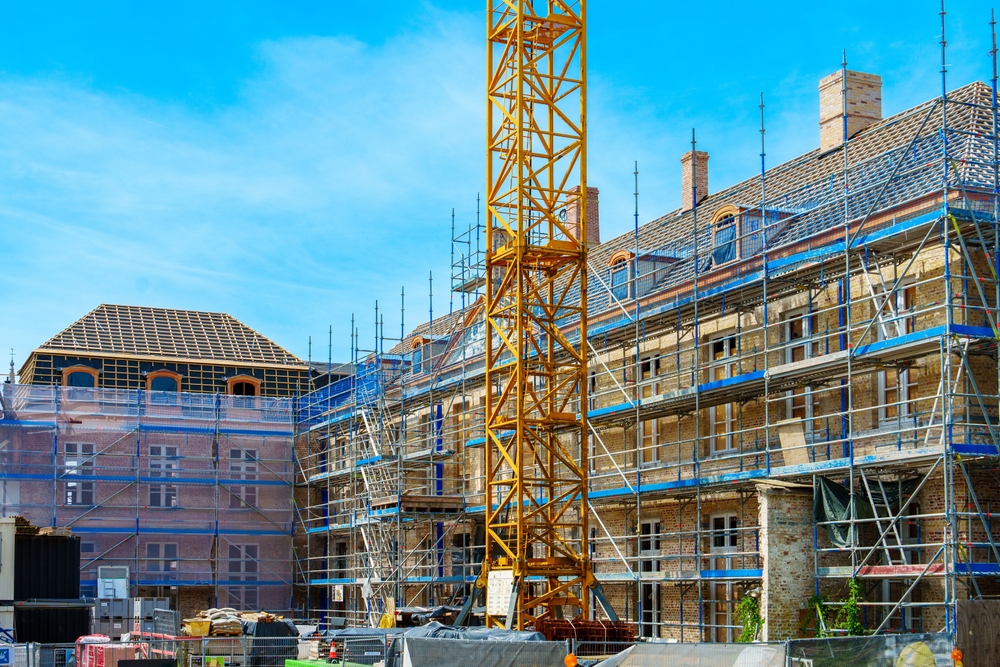
Those dramatic “before and after” photos of century-old buildings turned into modern apartments or vibrant community spaces are everywhere. But behind the scenes, historic renovations are rarely straightforward. Instead, owners face unexpected structural problems, complex regulations, and rising costs that often exceed the original budget.
David Shear and Carol Shear, managing partners at Fifteenand9Main in St. Thomas, U.S. Virgin Islands, spent two years converting a neglected 250-year-old Danish building into five modern apartments and a community venue. Their experience reveals what actually happens during a historic renovation — and the common missteps that derail projects. Here’s what to expect step by step, and how to avoid the most expensive mistakes.
Step 1: Assess What You’re Really Buying
Who’s Involved: You, a structural engineer, a historic preservation consultant Timeline: 2–4 weeks before purchase Cost: $2,000–$5,000 for inspections and reports
Most buyers assume a simple walkthrough reveals the building’s true condition. In reality, hidden issues often emerge only after work begins. The Shears discovered damaged beams, missing plumbing, and even an abandoned elevator shaft that had to be extracted overnight with a tow truck. Carol Shear advises budgeting at least 20% above your estimate to cover these inevitable surprises.
Step 2: Secure Approvals (Local and Federal)
Who’s Involved: Local historic committee, U.S. Department of the Interior (for federal tax credits) Timeline: 3–6 months Cost: Application fees, plus $5,000–$15,000 for legal and consulting help
Many owners think local approval is sufficient, but federal tax credits require a separate process. The Shears pursued these credits, which involved proving the building’s historic status, submitting detailed renovation plans and cost estimates, and undergoing post-completion verification. David Shear describes the process as “cumbersome,” but says the incentives are worth the paperwork. These credits are not limited to large developers — individual investors can qualify if they follow the required steps.
Step 3: Plan for Materials and Labor
Who’s Involved: Architects, contractors, masons, carpenters Timeline: Ongoing throughout the project Cost: Materials typically cost 30–50% more than standard construction
Renovating a historic building often means sourcing specialized materials and skilled labor. On St. Thomas, the Shears had to import nearly everything, facing delays and added shipping costs. Matching original features also drives up costs — for example, buying oversized beams to replicate the roof structure or paying $90 for a single historic hinge. David Shear notes that anything labeled “historic” comes at a premium.
Step 4: Demolition and Discovery
Who’s Involved: Demolition crew, owner (daily oversight recommended) Timeline: 6–9 months Cost: Varies based on building condition
Demolition reveals both problems and opportunities. The Shears’ hands-on presence allowed them to spot issues early and seize design opportunities, including an original archway that became a centerpiece. David Shear says that daily site visits are critical: “If you’re not there every day, things get missed or done wrong.”
Step 5: Rebuild with Modern Systems
Who’s Involved: Electricians, plumbers, HVAC specialists Timeline: 12–18 months Cost: Full rewiring, plumbing, and climate control required
Integrating modern systems into an old structure is one of the biggest challenges. The Shears had to engineer new plumbing and electrical systems from scratch, while also adding solar panels and backup power to handle frequent outages. Fitting modern amenities into historic spaces requires careful planning and creative solutions, not shortcuts.
Step 6: Final Inspections and Verification
Who’s Involved: Local inspectors, federal verifiers (if using tax credits) Timeline: 2–4 weeks Cost: Inspection fees are usually under $1,000
Final approval is not automatic. For federal tax credits, every detail must match the approved plans — from roof materials to paint colors. Any deviation can put incentives at risk. Carol Shear emphasizes that “you have to do exactly what you said you’d do.”
Where People Get It Wrong: Common Myths
Myth 1: Preservation rules make projects impossible. Reality: Local committees in St. Thomas supported the project as long as guidelines were followed. Approvals moved forward when the Shears complied with rules on paint and roofing.
Myth 2: You can quickly flip a historic building for profit. Reality: Historic renovations are not quick flips. The Shears worked daily for two years. David Shear cautions that “if you’re looking just to turn it over, there are cheaper businesses to buy.”
Myth 3: Federal tax credits are only for large developers. Reality: The Shears were the first individual investors in the Virgin Islands to secure these credits. Anyone willing to complete the paperwork can apply.
What to Watch For
Red Flags: Be cautious if a contractor promises a fast timeline or dismisses the need for permits. Historic work requires patience and attention to detail. Insist on clear, itemized cost estimates for materials and labor.
Smart Questions to Ask: – What’s the next approval deadline, and what are the consequences if we miss it? – Are there enterprise zones or tax incentives for this location? – What is your experience with historic committee approvals here?
Jargon Buster
Historic Tax Credit: A federal tax credit that offsets renovation costs if strict preservation guidelines are followed, especially valuable in designated enterprise zones.
Enterprise Zone: A federally designated area offering tax breaks to encourage investment. Much of downtown Charlotte Amalie qualifies, improving project feasibility.
Adaptive Reuse: Repurposing an old building for a new use, such as converting a Danish home into apartments or a community space.
The Bottom Line
Renovating a historic building is a long-term, hands-on commitment that requires planning, daily oversight, and a genuine interest in preservation. Owners must be prepared for unexpected challenges and a lengthy process, but the rewards can be substantial — both financially and for the community. As David Shear puts it, “You have to have a desire to do it. If you’re not passionate, it becomes more of a challenge.”
This article is based on information provided by the expert source cited above. It is intended for general informational purposes only and does not constitute legal, financial, or real estate advice. Readers should conduct their own research and consult qualified professionals before making any real estate or financial decisions.
Robert Marucci, Owner of Better Living Realty LLC, has witnessed a dramatic shift in how Connecticut cities approach vacant commercial buildings. “Ever since COVID, it’s changed ...
Montreal’s residential market recorded 8.7% year-over-year price growth, even as Toronto and Vancouver posted declines. At first glance, this suggests broad strength across Canada’s seco...
After a historic run of rapid appreciation, the South Florida real estate market is beginning to cool. Larry Mastropieri, Broker and Owner of The Mastropieri Group, a boutique luxury brokera...
Toronto’s condominium market is facing a sharp collapse in new supply. Pre-construction starts have plunged from around 35,000 units annually to just 500, according to Andy Taylor, Sen...
Buying a home in Sugar Land, Texas, means more than just saving for a down payment and securing a mortgage. Many buyers are caught off guard by additional costs that can add thousands to the...
A significant shift is occurring in Toronto’s real estate market as long-term urban homeowners increasingly opt for suburban properties, driven by changing lifestyle needs and financia...