
When mortgage rates rise, buyers pull back. When inventory tightens, prices spike. When consumer confidence drops, transactions slow. These are the rhythms of the housing market most people ...

Capital Markets Shift Creates New Opportunities for Senior Housing Exits

Written by:
Date:
10 Feb 2026
Share via Facebook

Share via Linkedin

Share via X

Copy to clipboard


The senior housing sector is entering a new phase as capital markets stabilize and institutional buyers renew their interest. After a period marked by high interest rates and limited lending, industry professionals are now seeing early signs of recovery that are changing how property owners approach exits.
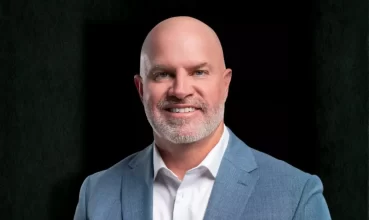
Brandon Chicotsky, Managing Principal at God Bless Retirement, has seen these changes directly in his advisory work with families and institutions on business and real estate deals. His firm, which focuses on smaller and Main Street transactions, has closed over $100 million in deals over the past five years and participates in larger syndicated transactions.
A Window of Opportunity
Today’s market offers a rare opportunity for aging property owners to consider selling. According to Chicotsky, the combination of slightly lower rates and ample private equity is creating a “window of opportunity” to exit before another economic shock or personal health issue intervenes.
Recent shifts in lending activity drive this timing. Commercial real estate loan volume has jumped roughly 90% year over year, according to Deloitte, indicating that more lenders are active again. While borrowing costs remain higher than the historic lows of recent years, the move toward rate normalization is encouraging buyers and sellers to return to the table.
Chicotsky notes that new loans are typically priced in the high 5% to low teens, compared to sub-5% rates on some maturing loans. This means that while financing is available, lenders are more cautious, and deals now hinge on strong cash flow and tighter underwriting.
Institutional Capital Returns
Perhaps the most significant change is the renewed presence of institutional capital in senior housing. Major private equity funds and real estate investment trusts (REITs) are now treating senior living as a core part of their portfolios, rather than a niche or opportunistic investment.
Chicotsky reports a surge in unsolicited offers and off-market approaches from operators and institutional owners. “Assets that were never formally taken to market are attracting competitive, well-capitalized bids — a clear signal of excess dry powder and disciplined buyer demand,” he says, pointing to increased competition for attractive properties.
This interest is not limited to traditional institutions. Family offices are also moving into senior housing, attracted by its income potential, tax advantages, and long-term demographic support from an aging population.
Geographic Concentration
The migration of seniors to Sun Belt states continues to guide where capital flows. Texas, Florida, Arizona, and the Carolinas are primary targets due to their large and growing populations aged 65 and older.
Chicotsky highlights the Dallas-Fort Worth Metroplex as one of last year’s top senior housing markets, with vigorous activity expected again this year. Similar patterns are evident in Phoenix, Miami, South Florida, Nashville, and across the Southeast.
These markets appeal to buyers because they typically feature well-managed communities, solid underlying real estate, and access to financing. Planned regional growth and predictable tax environments further support investment decisions.
Common Misconceptions
Despite improving conditions, Chicotsky sees several recurring mistakes that can undermine deals. One significant error is failing to recognize real estate as a distinct, financeable asset, rather than simply an add-on to business value. Each property has its own cap rate, tenant risk, and pool of potential buyers.
Another misstep is bundling real estate with business operations without a clear separation, which can limit interest from buyers. Some investors want to acquire only the operating company and prefer sale-leaseback structures, allowing them to operate the business while another party owns the real estate. Modern sale-leasebacks enable operators to retain complete control of day-to-day management while unlocking capital from the property.
Legal and title issues also frequently delay or derail transactions. Outdated powers of attorney, unresolved trust matters, or probate complications can stall closings, especially when families wait until the last minute to address them.
Operational Value Creation
For experienced buyers, today’s market offers more than just the chance to benefit from cap rate changes. Chicotsky points to opportunities for “operational alpha” – acquiring underperforming assets in strong demographic areas and improving their performance through better management, staffing, and amenities, often without significant capital investment.
He explains that the real upside comes from raising operating margins, not just from buying at lower cap rates. For example, turning a property with 25-30% margins into one with 35% or higher can significantly increase its value.
This strategy applies especially to older properties in stable suburbs that can be repositioned to serve middle-income seniors in areas with strong healthcare infrastructure. Chicotsky predicts that demand from these groups will far outpace the supply of purpose-built senior housing in the coming years.
Market Structure Evolution
The financing environment for senior housing has changed substantially since before 2022. Cap rates have risen, with wider spreads over Treasury yields, and are settling at what appears to be a new normal. This has shifted investor focus from appreciation to income generation as the primary driver of returns.
“Income, not appreciation, is expected to drive more of the total return,” Chicotsky says. Investors now place greater value on a property’s stable net operating income, rather than relying on speculative price increases.
Private credit funds have become a key part of the capital stack. As banks have tightened lending, these funds are raising record amounts and increasingly stepping in to finance deals that might not have been possible a few years ago. This trend is making sponsor-backed, lower-market deals more common, broadening the pool of available capital for smaller owners and operators.
Looking Forward
The combination of demographic demand, more stable capital markets, and new operational improvement strategies is creating favorable conditions for owners of well-positioned senior housing assets. However, success is not guaranteed. Owners must prepare thoroughly and set realistic expectations.
Chicotsky stresses that buyers and lenders are now focused on proven income, not projections. Clean leases, strong tenants, and realistic rent levels are essential to attract serious offers and secure financing.
For property owners considering a sale, the message is clear: careful preparation and professional support are crucial to capitalizing on today’s improving market. As institutional and family office capital returns and demographic trends continue to drive demand, the opportunity for favorable exits is growing – but only for those who meet higher underwriting standards.
The senior housing sector’s current trajectory mirrors broader real estate trends, where operational excellence and financial discipline are now required for success. Owners who can meet these demands will find new opportunities to exit at strong valuations, while also helping to address the growing need for quality senior living options as America’s population ages.
Similar Articles
Explore similar articles from Our Team of Experts.