
The key tool real estate agents have used for decades to determine accurate home prices no longer works in Omaha, according to one of Nebraska’s highest-producing agents. The result is...

Forget Square Footage, This One Factor Sells Mountain Resort Properties Faster

Written by:
Date:
06 Mar 2026
Share via Facebook

Share via Linkedin

Share via X

Copy to clipboard

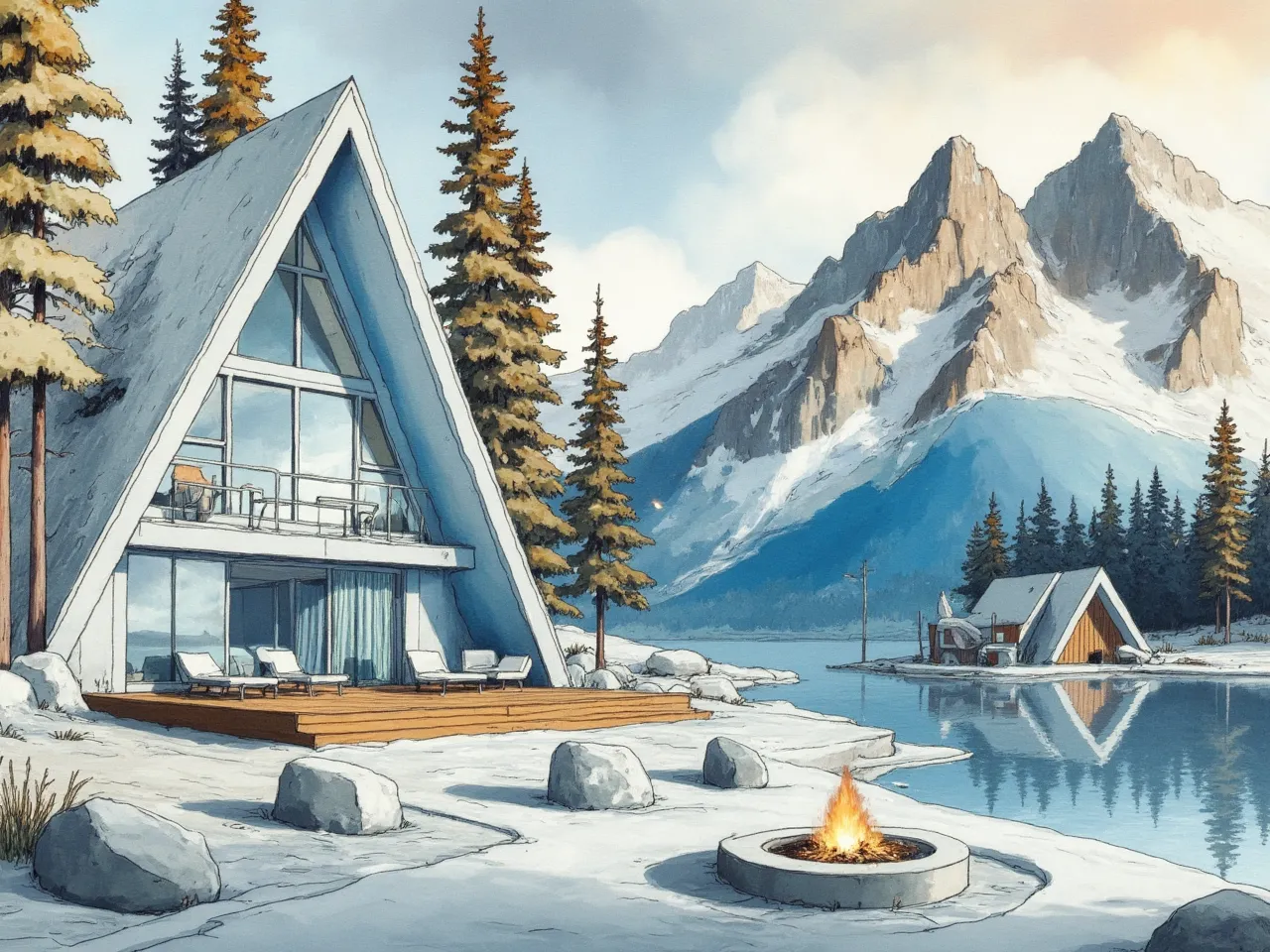
Most buyers are looking for a mountain getaway. Whether as an investment or a personal retreat, focus on the basics: square footage, number of bedrooms, and price per night or per square foot. But after six years spent buying and renovating eight boutique hotels, Blake Dailey, CEO and Founder of StayVest, has found that these numbers rarely predict which properties sell quickly or stay fully booked.
The real driver, Dailey says, is not size, but “experiential density,” the number of memorable activities and moments a property offers guests during their stay.
“You can have a 3,000-square-foot cabin that feels empty, or a 1,200-square-foot A-frame that guests never want to leave,” Dailey explains. The smaller, experience-rich property often books faster and commands higher rates.
Square Footage Misses the Mark
In the mountain resort market, most buyers and investors still use size and capacity as the main metrics. They ask: How many people can it sleep? What’s the nightly rate? How does the price per square foot compare?
These numbers are useful for basic comparisons, but Dailey has seen smaller properties outsell larger ones in the same location. The deciding factor isn’t the floor plan – it’s what guests can actually do on site.
Experiential Density
Experiential density measures how many distinct, memorable experiences a property can deliver per stay. It’s not about how much space you have, but how many activities and special moments are possible without leaving the property.
When 81 percent of travelers start their vacation search on social media, Dailey points out, they’re not looking at floor plans; they’re imagining themselves in the setting. “They’re looking at what they’ll do and feel when they’re there.”
Properties with higher experiential density consistently outperform larger, less engaging homes. Here’s why:
- Guests book longer stays. A property with features like a private lake platform, hot tub, fire pit, or hammock deck keeps people on-site for several nights. They’re not just sleeping there; they’re spending their entire trip enjoying the space.
- Higher nightly rates are easier to justify. Dailey’s experience shows that properties with more experiential elements can command up to 60 percent higher rates than standard hotels in the same market. Guests pay for the added value.
- Social media drives organic marketing. When guests share photos of unique spaces, such as a mountain-view deck or lakeside fire pit, the property gets free exposure. Listings with more “postable” moments see more organic interest and lower marketing costs.
Real-World Examples
Last year, Dailey’s team renovated an A-frame cabin in Blue Ridge, Georgia. With floor-to-ceiling windows facing the mountains, a private hot tub, and stairs to a lakeside fire pit, the property totals just over 1,000 square feet. Despite its modest size, it’s booked months in advance and receives steady attention on social media. “People walk in, see the view through those windows, and they’re sold,” Dailey says.
By contrast, a nearby 2,500-square-foot cabin with more bedrooms but fewer unique amenities sits on the market longer and often needs price cuts to attract bookings.
Other StayVest properties in Blue Ridge feature pitch-and-putt golf courses or pickleball courts. These are not massive projects, but they give guests activities to enjoy on-site. “It’s not about having a giant lawn,” Dailey notes. “It’s about giving people something to do that they’ll remember.”
How to Evaluate Experiential Density
If you’re in the market for a mountain property — whether as a buyer, investor, or seller — here’s how to focus on experiential density instead of just square footage.
For Buyers and Investors:
- Count unique experiences, not just rooms. Does the property offer a deck with a view, a fire pit, a hot tub, a game area, a private trail, or a distinctive design? Each feature increases appeal.
- Look for “postable” spaces. Walk through the home and ask yourself: Would I take a photo here? Properties with multiple photo-worthy spots tend to market themselves.
- Check booking data. For income properties, ask how long guests typically stay. Longer stays suggest people are using the property as a destination, not just a place to sleep.
For Sellers:
- Add small, high-impact features. A fire pit, hammock, or seating area with a view can be added at a low cost and create a lasting impression for guests.
- Stage for lifestyle photos. Listing images that show people enjoying the space, relaxing by the fire or soaking in the hot tub, helps buyers imagine themselves there.
- Highlight experiences, not just specs. Instead of leading with square footage, emphasize features like “private lake access, hot tub under the stars, and fire pit with mountain views.”
For Travelers:
- Filter by experience, not just price. A slightly more expensive property with more on-site activities often delivers greater value than a larger, basic rental.
- Read reviews for mentions of activities. If past guests talk about spending all day enjoying the property, that’s a sign of high experiential density.
What This Means for 2026
As the mountain resort market moves into 2026, properties are being sold and booked based on the number of experiences they offer, rather than their size. Buyers and guests want to feel a connection the moment they arrive. Square footage alone doesn’t create that impact; memorable experiences do.
“Buyers and guests want to feel something,” Dailey says. “They want to walk in and immediately picture their weekend there. Size doesn’t do that. Experience does.”
About the Expert
Blake Dailey is CEO and Founder of StayVest, a boutique hotel company with eight properties across the Southeast. He specializes in acquiring and renovating small resorts in mountain and coastal markets, with a focus on experiential design. Dailey is a former Air Force officer who transitioned into hospitality after starting with short-term rentals.
This article provides insights into property features and guest preferences. It is not real estate, investment, or financial advice. Every property and market is different; use this information as a starting point for your own research.
Similar Articles
Explore similar articles from Our Team of Experts.