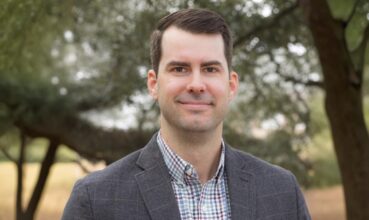

Tracy Markie, founder and CEO of Engenuity Systems, has shaped building automation technology since the early days of ethernet connectivity. As his company marks its 30th anniversary, Markie...

Manhattan Office Market Defies Expectations with Sharp Rent Increases

Written by:
Date:
26 Jan 2026
Share via Facebook

Share via Linkedin

Share via X

Copy to clipboard

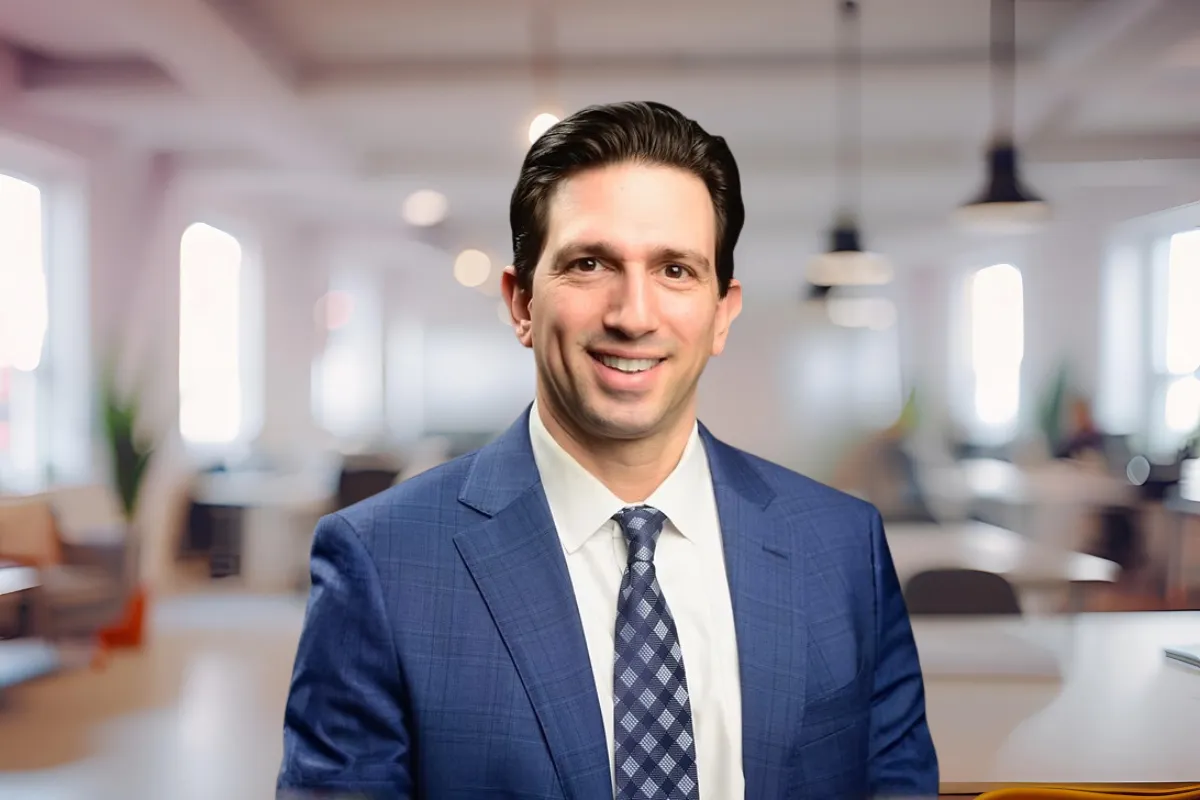
The Manhattan office market has undergone a rapid and unexpected change over the past year, with rents for top-tier buildings rising much faster than anyone predicted. Class A properties are now commanding prices that would have seemed unrealistic just months ago. David Badner, Managing Director at Norman Bobrow & Co., has seen these changes firsthand through his work representing tenants across Manhattan.
From Tenant to Landlord Market
After several years when tenants had the upper hand in office lease negotiations, landlords are now firmly in control. During the pandemic, vacancy rates soared, and landlords offered generous concessions to fill space. Now, that dynamic has reversed.
Badner describes the shift as dramatic. He recently renewed an architectural firm’s lease on 40th Street at rates in the low $50s per square foot. When he checked on available space in the same building just a year later, asking rents had climbed to $70 per square foot, a $15 increase in twelve months.
The trend is even more pronounced at high-profile addresses. At One Penn Plaza, Badner negotiated a deal at $95 per square foot in September. That same space is now being marketed for $115 per square foot, a $20 jump in less than a year.
Corporate Tenants Drive Premium Pricing
The surge in rents is being fueled by large national and global corporations, not traditional New York firms. Deep-pocketed companies are absorbing higher costs and outbidding local tenants for prime space.
Recent deals highlight this trend. Dick’s Sporting Goods signed a lease at Two Penn Plaza, while a tech company took a 10-year lease at $80-87 per square foot. Despite the building’s lack of curb appeal and challenging surroundings, demand remains strong from tenants in technology, artificial intelligence, and finance.
Badner notes that smaller companies and local businesses are increasingly priced out of top locations. The current tenant mix includes companies with global operations and significant capital, willing to pay for access and amenities.
Construction Costs Reshape Lease Negotiations
Rising construction costs are also driving up rents and reshaping lease structures. Today, building out office space in Manhattan can cost $150-200 per square foot. For landlords, these costs are difficult to recoup quickly, especially if they are only charging $70 per square foot in rent. It can take years for a landlord to recover the expense of tenant improvements.
This has made lease renewals more attractive for both parties. Tenants can avoid the high costs and operational disruption of moving, while landlords can offer incentives such as improvement allowances and free rent without taking on significant new expenses. Badner points out that renewal packages can often include a sizable work allowance and several months of free rent, allowing tenants to upgrade their space while minimizing downtime and overall costs. Unfortunately, many Tenants make the vital mistake of handling their renewal on their own rather than using a broker to negotiate on their behalf, which could cost the company significant income.
Market Segmentation Becomes More Pronounced
The sharpest rent increases are concentrated in Class A and high-quality Class B buildings, but even secondary locations are being affected. Badner’s experience shows that while buildings on side streets have lagged, they are now seeing rents rise as well.
Buildings that previously rented for $30 per square foot are now commanding rates in the mid- to high-$40s. As avenue properties push rents from $50 to $70 per square foot, tenants seeking lower costs are moving to side streets, driving up prices in those traditionally more affordable areas.
Even the city’s most budget-friendly office districts are not immune. The area between Seventh and Eighth Avenues in the 30s—historically the cheapest in Manhattan—remains in the $20s per square foot. Still, Badner expects further increases as pressure builds from tenants priced out of other neighborhoods.
Data Challenges in Market Assessment
One ongoing difficulty for tenants and brokers is the reliability of market data. Publicly available sources often lag behind current market realities, leading to confusion during negotiations. Badner frequently encounters discrepancies between reported asking rents and actual signed deals.
For example, he recently cited a 10-year lease completed at $85-91 per square foot, while popular databases still listed comparable spaces at $70. This data lag can lead to unrealistic expectations among tenants.
To get a more accurate picture, Badner and other brokers rely on platforms like CompStack, which share transaction data directly among industry professionals. These sources provide more current information, helping tenants and advisors avoid surprises when negotiating leases.
Strategic Opportunities Still Exist
Despite the challenging environment for tenants, there are still opportunities for those who know where to look. Properties owned by the same family or group for many years often offer more flexible pricing, as long-term owners may be less aggressive in pushing rents to the highest possible level.
For example, buildings around Madison Square Park can command over $100 per square foot. Still, buildings such as 60 Madison and 41 Madison — which have been owned for decades—offer space at $80-$90 per square foot, with multiple floors available. Similarly, Badner recently completed a 35,000-square-foot transaction in the Flatiron District at rates roughly $20 per square foot below comparable buildings, as the building is generationally owned and the owner was willing to accept lower rents for stability.
Inherited or long-held properties can present below-market opportunities, especially when owners prioritize steady occupancy over maximizing short-term returns. Tenants with flexible requirements and strong market knowledge can still find value, but these deals are increasingly rare.
Looking Ahead
Badner has worked through three major downturns, the dot-com collapse, the financial crisis, and the COVID-19 pandemic, and notes that each recession has played out differently. The aftermath of 9/11 and the 2008 financial crisis brought extended periods of high vacancy and slow recoveries, while the pandemic caused a shorter but abrupt disruption.
He believes the current pace of rent increases is unsustainable in the long run. At some point, he says, many companies will no longer be able to justify paying north of $100 per square foot for office space, especially as remote and hybrid work remain popular options. However, for now, demand from large, well-capitalized tenants continues to support elevated prices.
The current market reflects several broader economic forces: consolidation among major corporations, the growth of the technology sector, and a widespread flight to quality as tenants seek modern amenities and prime locations. These trends have accelerated since the pandemic, making Manhattan’s top office buildings magnets for global firms while pushing smaller, local businesses to the margins.
For tenants, success in this competitive environment depends on timing, deep market knowledge, and the ability to identify and act on rare opportunities. Professional representation is increasingly essential, as brokers can help clients navigate the data gaps and spot deals that might otherwise be missed.
As Manhattan’s office market continues to evolve, tenants and landlords alike must adapt to rapid changes in pricing and tenant demand. While the current surge may not last indefinitely, understanding the forces at play and where exceptions to the rule still exist will be key for anyone seeking to secure space in one of the world’s most expensive office markets.
David Badner can be reached at Norman Bobrow & Co., Inc., where he specializes in tenant representation throughout Manhattan.
Similar Articles
Explore similar articles from Our Team of Experts.