
Texas commercial real estate is undergoing rapid change, with data centers now leading development activity in major metropolitan areas. This surge is not just a byproduct of rising digital ...

American Pledge Foundation Introduces Patent-Approved Program Targeting Housing Affordability and Foreclosure Prevention

Written by:
Date:
22 Oct 2025
Share via Facebook

Share via Linkedin

Share via X

Copy to clipboard

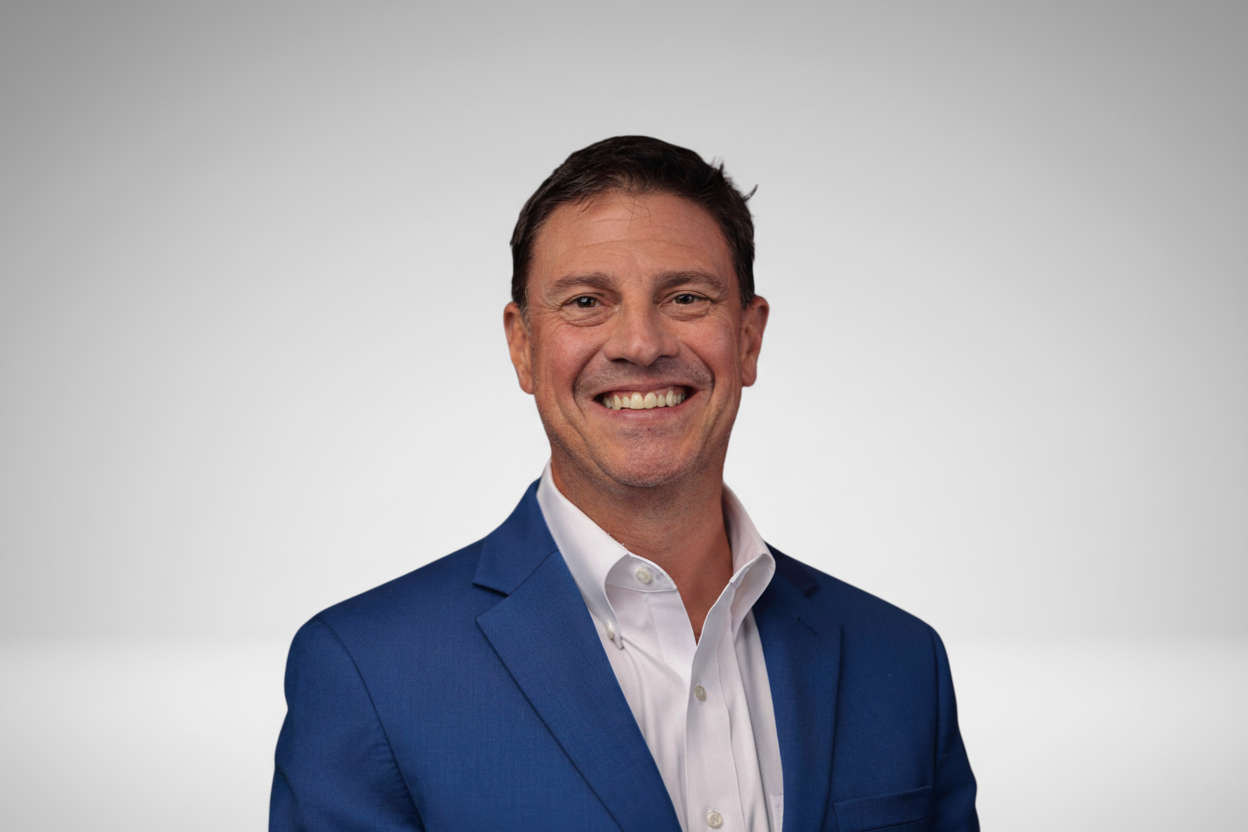
The ongoing housing affordability crisis has led to new solutions from unexpected areas of the real-estate sector. American Pledge Foundation, a Birmingham-based nonprofit, has developed a “hardship assistance program” aimed at preventing foreclosures before they occur, an approach that recently secured a patent from the U.S. Patent Office.
The foundation is built on the idea that most foreclosures result from foreseeable life events rather than irresponsible borrowing. According to co-founder Rob Henger, about 93 percent of foreclosures can be traced to four main causes: job loss, major medical expenses, divorce or death of a spouse, and significant home repairs.
“We serve as an interface between homeowner and lender, and because we’re not a debt collector, we can be an advocate for both,” says Henger, who has 33 years of residential-mortgage experience. “The bank doesn’t want to foreclose on that house they just lent on six months ago. By the time they foreclose and go through all the legal proceedings, they’re lucky to get 60 percent of the loan amount back.”
A Career Influenced by Fair Lending
Rob Henger’s commitment to expanding access to homeownership took shape during his 13 years at First Bank in Nashville, where he helped develop the bank’s mortgage operations. During that time, he had a front-row seat to the challenges banks face when balancing good intentions with complex regulatory expectations.
“I had the opportunity to work alongside both banks striving to do the right thing and regulators working to uphold important laws and community goals,” Henger says. “It’s a well-known reality that many banks across the Southeast have struggled to meet the needs of all members of their communities—serving both more affluent suburban borrowers and low-to-moderate-income families in urban areas.”
That experience taught Henger that even well-designed programs can fall short in practice, not necessarily because of the banks themselves, but because state-level collection and servicing laws can unintentionally create barriers for both sides.
“The result,” he explains, “is often a system where both the bank and the borrower feel trapped by process. That’s where American Pledge comes in, as an advocate for both, creating a bridge that protects the bank’s interests while giving homeowners a fair chance to recover from hardship.”
A Three-Pronged Model
American Pledge Foundation operates using what Henger refers to as “three legs of the stool.” The first is an employee-benefit program, in which the foundation partners with corporations to help workers save for down payments through employer-matched contributions, similar to a 401(k) but focused on homeownership.
The second component serves as a risk-management tool for lenders. Acting as a credit enhancement between borrowers and banks, the foundation provides ongoing support that reduces foreclosure risk.
The third element involves collaborating with developers on affordable-housing projects, particularly in opportunity zones and underserved communities. The foundation is currently working with a workforce-housing developer on a new approach for distressed multifamily properties.
“We’re looking at former tax-credit deals, 9 percent and 4 percent programs that are now in default because wages have barely increased while property expenses have soared,” Henger explains. “We’re working to see if developers can acquire these distressed properties and convert them to condominiums, selling units to existing tenants.”
Patent-Approved Hardship Assistance
The foundation’s hardship-assistance program earned patent protection by combining artificial intelligence with affordable-housing strategies. The system sets clear eligibility requirements, such as requiring borrowers to qualify for state-unemployment benefits before receiving aid, and makes payments directly to loan servicers, not to homeowners.
“We won’t make your mortgage payment until you qualify for state unemployment benefits,” Henger notes. “We don’t want to give people money they might spend elsewhere. We only provide financial assistance directly to the homeowner’s loan servicer.”
The AI element enables tailored financial-literacy and homeownership-education programs that continue for up to five years after purchase, addressing what Henger identifies as a gap in the industry.
“One of the biggest challenges our industry faces is that once somebody buys a house, the training, orientation, and financial-literacy support typically disappears,” he says. “We’re in a position to provide that ongoing benefit and develop AI-based training programs tailored to each individual.”
Pushing for Policy Change
In addition to direct assistance, American Pledge Foundation advocates for policy changes at the federal level. The organization recently met with the Senate Banking, Housing and Urban Affairs Committee to propose a home-savings plan modeled after 401(k) retirement accounts.
“An employer and employee could come together to develop a pre-tax savings plan, allowing both to contribute and accelerate down-payment accumulation,” Henger explains. “It’s the same concept as a 401(k), except people would save for one to three years instead of deferring taxes for 30.”
Industry Impact
The foundation’s approach reflects a growing recognition that traditional down-payment-assistance programs do not address the root causes of housing instability. By focusing on post-purchase support and ongoing financial education, American Pledge Foundation aims to promote sustainable homeownership rather than just facilitating transactions.
For developers and lenders, the model offers advantages in both risk mitigation and regulatory compliance. The foundation’s nonprofit status allows it to meet Fannie Mae and Freddie Mac guidelines while enabling borrowers to seek the best interest rates from multiple lenders.
“Because we’re a 501(c)(3), if any corporation uses us for down-payment assistance, their employees can get a loan anywhere and shop for the best rate,” Henger notes. “We simply serve as the entity that passes assistance from the municipality, employer, or other source to the prospective homeowner.”
The focus on ongoing support and education is designed to reduce defaults and foreclosures, providing stability for both homeowners and lenders.
Addressing Systemic Challenges
As housing affordability remains a national concern, American Pledge Foundation’s patent-protected approach is an attempt to address systemic issues through prevention. By targeting the events that most commonly lead to foreclosure—job loss, medical emergencies, divorce or death, and major repairs—the program seeks to intervene before homeowners fall irreparably behind.
The foundation’s model, which integrates employer involvement, lender risk mitigation, and developer collaboration, is intended to create a network of support for homeowners. The use of AI-driven education also aims to address gaps in financial literacy that can contribute to housing instability.
Looking Forward
Whether American Pledge Foundation’s model can be scaled to significantly impact national foreclosure rates remains to be seen. However, its focus on long-term borrower success and sustainable homeownership offers a different perspective compared to traditional assistance programs.
By combining patented technology, policy advocacy, and a multi-pronged approach, the foundation is positioning itself as a unique player in the effort to address the housing-affordability crisis. Its emphasis on prevention, rather than intervention after the fact, may provide a template for future programs aiming to promote stable and sustainable homeownership across the country.
Similar Articles
Explore similar articles from Our Team of Experts.