

The northern New Jersey real estate market is undergoing a dramatic change as a severe inventory shortage forces both buyers and sellers to adjust expectations and strategies. In Bergen and ...

Data-Driven Investment Approach Fuels Growth in Specialized Medical Real Estate

Written by:
Date:
20 Oct 2025
Share via Facebook

Share via Linkedin

Share via X

Copy to clipboard

The medical office building sector is attracting renewed investor interest as healthcare delivery shifts toward specialized outpatient facilities. This trend is creating opportunities for focused investment strategies that combine data analytics with targeted market selection, as shown by companies like Healing Realty Trust, which has doubled its asset base to $26 million in just nine months.
The move from hospital-based care to outpatient specialty centers marks a significant change in healthcare delivery. Industry data indicates this transition has accelerated since 2011, with outpatient facilities now handling most non-emergency medical procedures. This shift reflects both patient preferences for convenience and healthcare providers’ emphasis on cost-effective, specialized care.
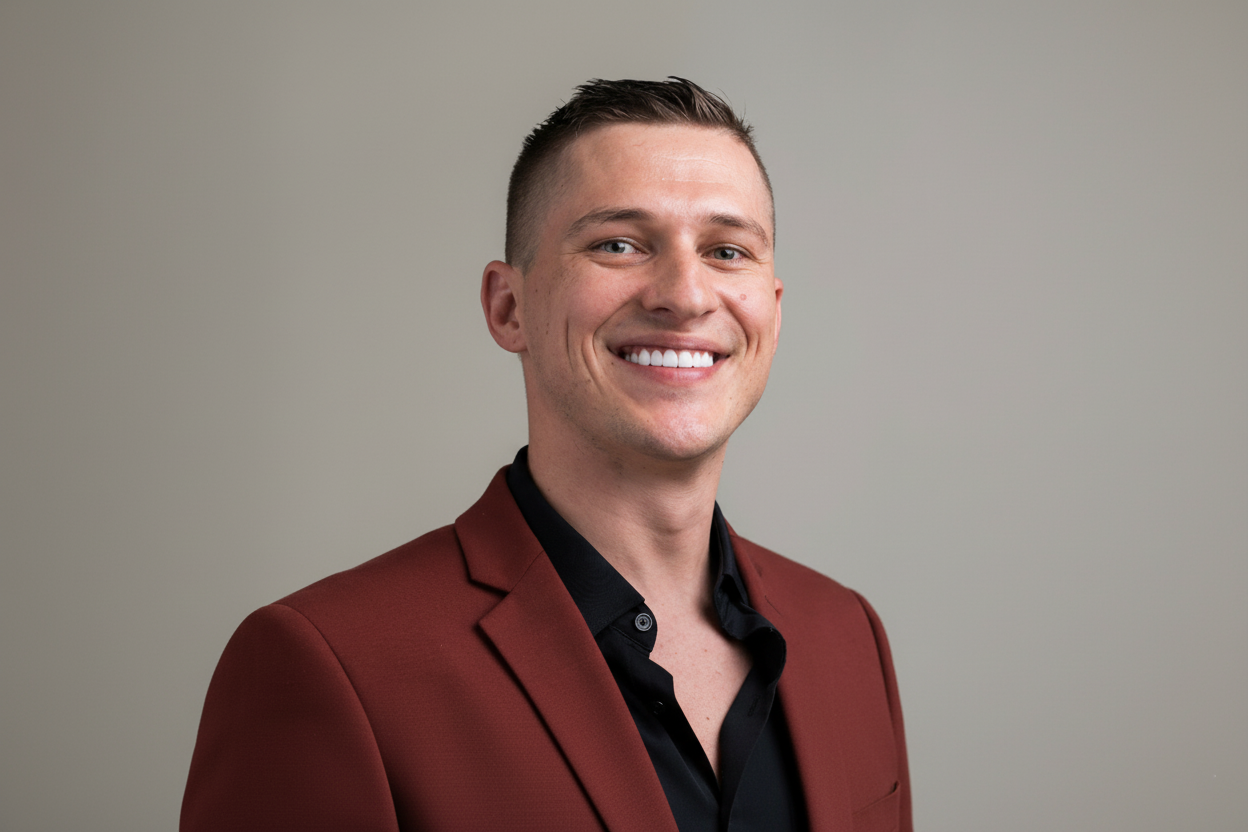
“Nobody wants a jack of all trades. They want someone that specializes in what they do, especially with the internet now, where people are researching the best providers for specific treatments,” says Cody Shandraw, President of Healing Realty Trust. “That’s where patients are going, and it creates a clear investment thesis.”
Technology-Enhanced Site Selection
Healing Realty Trust’s strategy centers on proprietary geospatial mapping technology called Healing Maps, which layers multiple data sources to pinpoint the best investment locations. The platform integrates GPS data, census information, ESRI demographic data, and health insurance coverage statistics to provide a comprehensive view of healthcare markets across the United States.
“We overlay health insurance data on top of demographic and geographic information,” Shandraw notes. “When we’re doing site selection, it’s really data-driven. The fundamentals always drive decision-making, but this data analysis separates us from others in the market.”
This technology-forward approach originated in the company’s work in the psychedelic medicine space, where Shandraw saw clinic operators making poor location decisions. Many operators chose large cities without understanding key factors like demographics, the competitive landscape, or proximity to mental and behavioral health centers that could benefit from nearby facilities.
The algorithm has identified target markets nationwide that meet Healing Realty Trust’s criteria for demographic composition, insurance coverage, and healthcare infrastructure. This focused approach allows the team to concentrate resources on markets with the highest likelihood of success.
Targeted Market Focus and Team Structure
The company targets medical office buildings, positioning itself below the hospital level where larger institutional investors typically compete. “We’re focused on properties surrounding hospitals rather than competing for the hospitals themselves,” Shandraw explains. “We don’t do ground-up development or take on zoning and entitlement issues. We’re acquiring properties with existing cash flow.”
Leadership brings experience from both healthcare and real estate. Chief Executive Officer Joe Caltaviano previously built Cresco Labs, one of the country’s largest cannabis companies, while also developing a property portfolio later sold to public REIT IIPR. The team includes specialists in medical real estate acquisitions, financial oversight at the CPA level, and CFA-trained underwriting.
“Each person has a very specific function, allowing us to move in lockstep throughout the entire process, from data collection and site selection to property acquisition, closing, and operations,” Shandraw says.
Market Dynamics and Investment Appeal
The medical office sector benefits from several structural advantages, most notably demographic trends. Around 10,000 Americans turn 65 each day as the baby boomer generation ages, creating sustained demand for healthcare services. This age group is the largest contributor to healthcare spending in the country and more frequently uses outpatient specialty services than younger populations.
The recession-resistant qualities of medical real estate appeal to investors seeking stability. “Until someone figures out how to do dialysis at home or hip replacements in your garage, these facilities aren’t going away,” Shandraw observes. “Amazon killed retail shopping centers, COVID affected offices, but medical facilities provide essential services that can’t be easily displaced.”
Seller Profile and Acquisition Strategy
Healing Realty Trust’s acquisition strategy concentrates on property owners who developed or have long owned their medical buildings. These sellers usually maintain their properties well due to community ties and relationships with tenants.
“They see their tenants at the grocery store and church, so they take excellent care of the landscaping and building maintenance,” Shandraw notes. “They’re community members who know the people receiving treatments in their buildings.”
Many sellers are planning estates as their children choose different careers and prefer not to manage rental properties. This opens opportunities for investors willing to provide liquidity while maintaining the operational standards of the properties.
A recent acquisition involved a seller in his mid-70s who had developed the property from vacant land 30 years earlier. “He said, ‘I’m done. I built this building from literally a piece of dirt, and now I’m retiring to Panama,’” Shandraw recalls. Smaller specialty centers and outpatient facilities often allow for this type of personal development story that isn’t present with hospital acquisitions.
Current Market Challenges
While the company maintains a strong pipeline in potential acquisitions, certain market factors require close attention. Changes in Medicare and Medicaid reimbursement policies under the current administration have influenced target market selection, with the team avoiding areas with high government insurance coverage rates.
Interest rate movements also affect acquisition timing and financing costs, though the team expects rate cuts in the coming months. “We keep a very close eye on where rates are and where they’re going. The disagreement is probably on how much and when cuts will occur,” Shandraw says.
Growth Trajectory and Future Plans
The company aims to transition to institutional capital sources before seeking liquidity within 24-36 months, either through a portfolio sale to a larger competitor or a public listing on a major exchange.
This growth strategy aligns with broader trends in healthcare real estate, where specialized knowledge and data-driven decisions provide competitive advantages in a fragmented market. As healthcare delivery continues to evolve toward outpatient specialty care, investors with focused strategies and operational expertise are finding ways to generate stable returns while supporting essential community healthcare needs.
For institutional investors and family offices seeking exposure to defensive real estate sectors, the medical office space offers strong fundamentals supported by demographic trends and changes in healthcare delivery. Success in this market now depends on advanced site selection tools and a deep understanding of local healthcare ecosystems, capabilities that technology-enabled investment platforms are well equipped to provide.
The medical office building sector’s appeal lies in its resilience and consistent demand. With an aging population driving healthcare needs and technology guiding investment decisions, companies like Healing Realty Trust are well positioned to capitalize on these trends. Their approach of combining proprietary data analytics, targeted market focus, and operational expertise demonstrates how investors can achieve stable returns in a changing healthcare landscape.
As the market continues to evolve, the integration of technology and specialized knowledge will remain essential for identifying the best opportunities. The ongoing shift toward outpatient care, coupled with the need for high-quality, well-located facilities, ensures that the medical office sector will remain an attractive option for those seeking long-term, defensive real estate investments.
Similar Articles
Explore similar articles from Our Team of Experts.