
The real estate industry’s technology landscape is experiencing a fundamental shift. While major brokerages pour billions into complex systems that often fall short of expectations, in...

The Evolution of Student Housing: From Amenities Arms Race to Academic-First Design

Written by:
Date:
01 Oct 2025
Share via Facebook

Share via Linkedin

Share via X

Copy to clipboard


Industry veteran Teddy Abdelmalek is reshaping student living through functional hospitality.
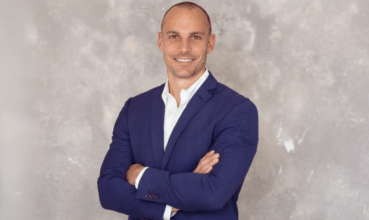
The student housing market is undergoing a fundamental transformation. Gone are the days when flashy amenities and photo-ready spaces drove leasing success. Today’s students – especially Gen Z – prioritize functionality, safety, and academic support. Leading this evolution is Teddy Abdelmalek, Senior Vice President at HH Redstone, whose 25 years in real estate offer a clear view of what truly drives occupancy and long-term value.
The End of the Amenities Arms Race
“When I started, there was an unchecked race to add flashy items – movie theaters, oversized gyms, rooftop fire pits,” Abdelmalek recalls. “It photographs nicely, but the student of today has matured.”
Modern students see through marketing gimmicks. They want environments that support their primary purpose: academic success. The emphasis has shifted from spectacle to substance.
What Drives Leasing Velocity Today
Abdelmalek identifies three critical factors for successful student housing:
▪ Reliable Infrastructure: High-speed fiber internet is no longer optional: it’s essential for academics and connectivity.
▪ Collaborative Spaces: Multi-purpose study lounges, which can double as podcast booths or group workspaces, provide flexibility. “Imagine visiting students in the podcast booth to get raw feedback,” Abdelmalek suggests.
▪ Home-Like Functionality: Well-appointed in-unit kitchens, quality countertops, and practical layouts make students feel at home.
The “Functional Hospitality” Philosophy
HH Redstone has built its model around functional hospitality—creating spaces that help students succeed academically and socially without unnecessary gimmicks.
“Students want community and safety. Their parents want safety and convenience. If you solve those, occupancy takes care of itself,” Abdelmalek explains.
Technology: Game-Changers vs. Gimmicks
Abdelmalek applies a simple filter to technology investments:
- Does it improve resident experience?
- Does it improve operational efficiency?
If the answer is no, it’s a gimmick.
Game-changers include enterprise-grade Wi-Fi, battery-free mobile key access via phone, and AI leasing chatbots for after-hours inquiries. Gimmicks include standard VR tours or elaborate entertainment spaces that fail to deliver ROI.
Owner Alignment Revolution
Traditional management fees—often 3.5-4% regardless of performance—can create misaligned incentives.
“Why should an owner pay full management fees on a property that’s only 75-80% occupied? That doesn’t make sense,” Abdelmalek says.
HH Redstone’s performance-based model combines base fees with incentives tied to property success: “We only benefit if the property benefits. That’s true owner alignment.”
The Secret: “Residents Are Our CEO”
Abdelmalek distills decades of experience into one guiding principle: “Our residents are our CEO.”
“If you treat them as owners of the assets, you won’t treat them as just someone who pays rent,” he explains. Maintaining high standards consistently—not just during ownership visits—builds trust and loyalty.
“Every time I see a resident, it’s like seeing the CEO. I know their name, I’m being cordial. Now they feel inclined to come to me with issues versus thinking I don’t care.”
Future Outlook: Technology with Humanity
Looking ahead to 2026–2030, Abdelmalek anticipates new innovations, such as interactive common-area screens with revenue-sharing opportunities from local advertising.
He cautions: “AI has to supplement what we’re already doing. You don’t want to lose the hospitality aspect and make it all robotic.”
The Bottom Line
“The secret sauce isn’t mysterious. It’s doing the fundamentals consistently every single day. It’s discipline versus just wanting to be successful,” Abdelmalek concludes.
For operators embracing this philosophy, the rewards are clear: higher occupancy, improved NOI, and residents who become genuine community advocates.
Disclosure: Individuals or companies mentioned may have a commercial relationship with KeyCrew.
Similar Articles
Explore similar articles from Our Team of Experts.