
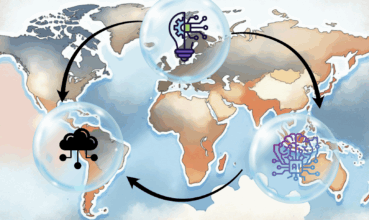
The global data center industry is becoming a battlefield for digital sovereignty, with European nations pushing back against American cloud dominance, according to Knight Frank‘s Glob...

Mobile Engagement Linked to Higher Customer Satisfaction, J.D. Power Study Shows

Written by:
Date:
25 Sep 2025
Share via Facebook

Share via Linkedin

Share via X

Copy to clipboard


New data reveals how technology is reshaping mortgage customer experience while maintaining the importance of personal relationships
Mobile technology is revolutionizing mortgage lending satisfaction, but not in the way many might expect, according to new research from J.D. Power. “Mobile interaction drives a better experience across the board,” says Bruce Gehrke, Director of Lending Intelligence at J.D. Power, who emphasizes that successful lenders are using technology to enhance rather than replace personal relationships.
The Mobile-First Evolution
According to J.D. Power’s comprehensive research, which surveys thousands of borrowers annually, mobile engagement has become a critical driver of customer satisfaction. “You kind of almost need to have a mobile app to interact with it,” Gehrke notes, explaining that consumers particularly appreciate “the simplicity and to-the-point kind of designs that they have.”
The Personal Touch in a Digital World
Despite the push toward digital solutions, Gehrke’s research reveals an interesting paradox: “Better originators that we’re seeing don’t spend as much time holding hands as they used to, because they have technology to do that. They’re still there, they still control the relationship, but they’re focused on building their business.”
Key findings highlight the growing importance of mobile communication in shaping customer satisfaction. The study found that text messaging with clients consistently boosts satisfaction scores, reflecting consumer preference for quick, convenient updates and two-way communication.
The report also shows that mobile apps have shifted from being a value-add to an essential service component. Customers increasingly expect seamless app-based interactions, but personalization remains critical. Even in a digital-first environment, tailored messaging and individualized service are key drivers of overall satisfaction.
The Technology Balance
Gehrke points out that successful lenders are finding ways to leverage technology without losing the personal connection: “There’s great tools out there to really personalize that interaction. I think that’s really what we see making the major difference right now.”
The Path Forward
According to Gehrke, J.D. Power’s research suggests that the future of mortgage lending will belong to those who can effectively combine digital efficiency with personal expertise. The company’s ongoing studies with major lenders indicate that the most successful approaches involve using technology to streamline processes while maintaining meaningful personal connections with clients.
Similar Articles
Explore similar articles from Our Team of Experts.