

REItrades, an automated commercial real estate marketplace, is changing how real estate professionals handle institutional property transactions with its AI-powered platform. In a recent int...

Data Center Leader Calls US Cloud Supremacy a New Cold War

Written by:
Date:
26 Sep 2025
Share via Facebook

Share via Linkedin

Share via X

Copy to clipboard

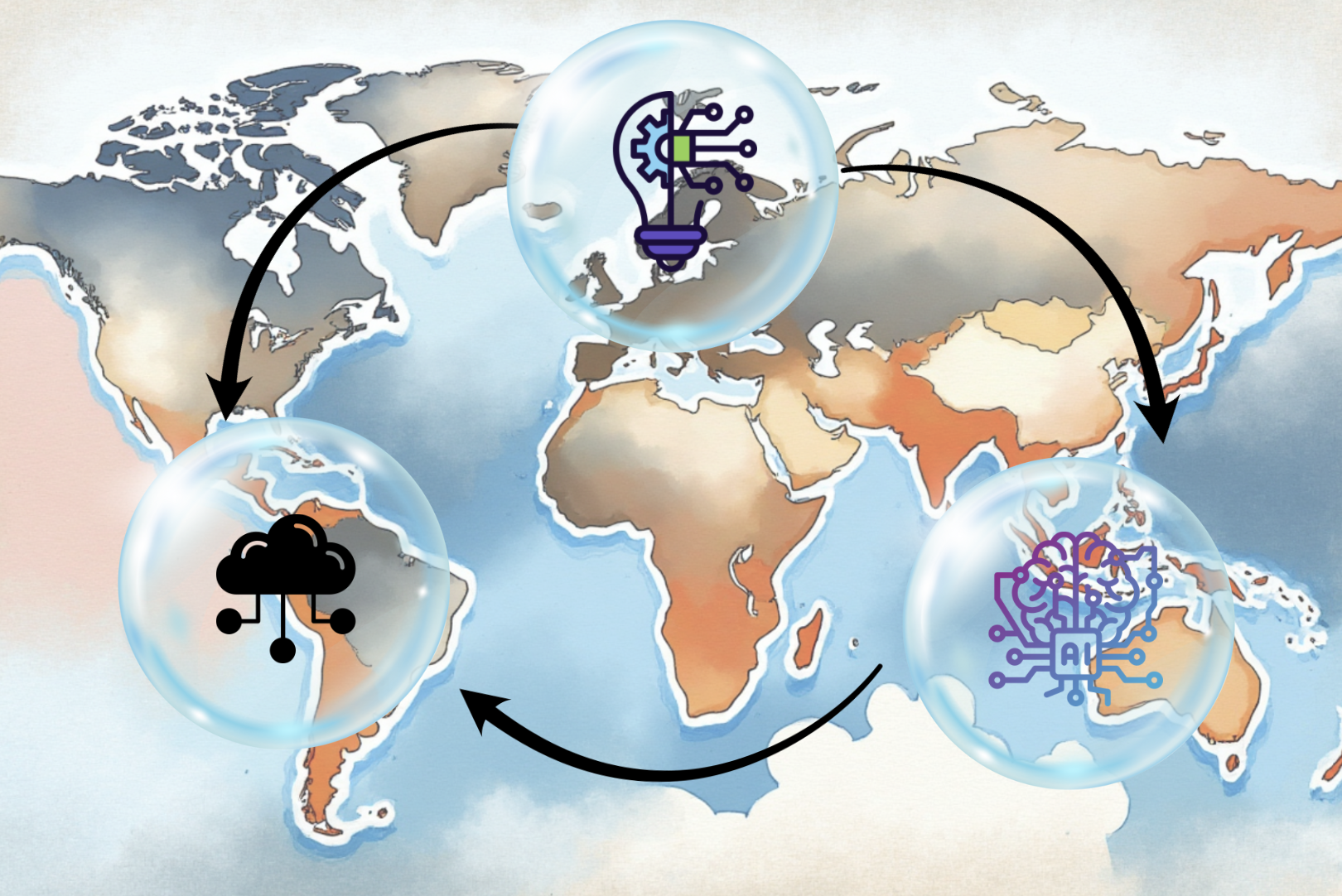
The global data center industry is becoming a battlefield for digital sovereignty, with European nations pushing back against American cloud dominance, according to Knight Frank‘s Global Head of Data Centres Stephen Beard.
The American Stronghold
“Every single time it’s Microsoft, Amazon, Google, Oracle, it’s just a modern day Cold War that we’re seeing the weaponization of data and American dominance,” Beard says, describing the current state of cloud computing. This dominance, he argues, is spurring a growing movement toward data sovereignty.
The European Response
European nations are increasingly concerned about their digital dependence. Beard points to Germany’s recent moves into cloud computing through the Schwarz Group as a prime example. “What it’s really about, it’s a sovereignization of data, and it makes a lot of sense,” he explains.
The economic implications are significant. “Deutsche Bank say we need to digitalize our data. So we’re paying an American company that’s going to go into the American GDP,” Beard says, articulating the growing European frustration with the status quo.
Strategic Implications
According to Beard, this push for digital sovereignty extends beyond just cloud services. He points to the emergence of sovereign AI platforms, like the UK’s N-scale and the UAE’s G42, as evidence of countries seeking to establish their own digital infrastructure.
However, Beard notes that breaking away from American technology won’t be simple. “Right now, today, over the next 10 to 15 years, it’s American cloud, it’s American AI,” he says, suggesting that countries need to carefully balance sovereignty ambitions with practical realities.
The Path Forward
Knight Frank is observing different strategic approaches emerging. While some European nations are pushing for greater independence, others are seeking closer partnerships with American providers. Beard points to the UAE’s collaboration with US companies as an example of a hybrid approach.
“The UAE saying, okay, America will sit with you,” Beard explains, describing how some countries are finding ways to maintain sovereignty while still benefiting from American technology leadership.
The future remains uncertain, but Beard suggests the industry is at a crucial turning point. As countries grapple with digital sovereignty, their choices today could reshape the global digital infrastructure landscape for decades to come.
Similar Articles
Explore similar articles from Our Team of Experts.