
Most conversations about artificial intelligence in real estate focus on the consumer-facing layer: smarter search, better recommendations, automated valuations. The more consequential quest...

Orlando's Luxury Market Finds Its Footing as Strategic Buyers Drive New Dynamics

Written by:
Date:
20 Aug 2025
Share via Facebook

Share via Linkedin

Share via X

Copy to clipboard

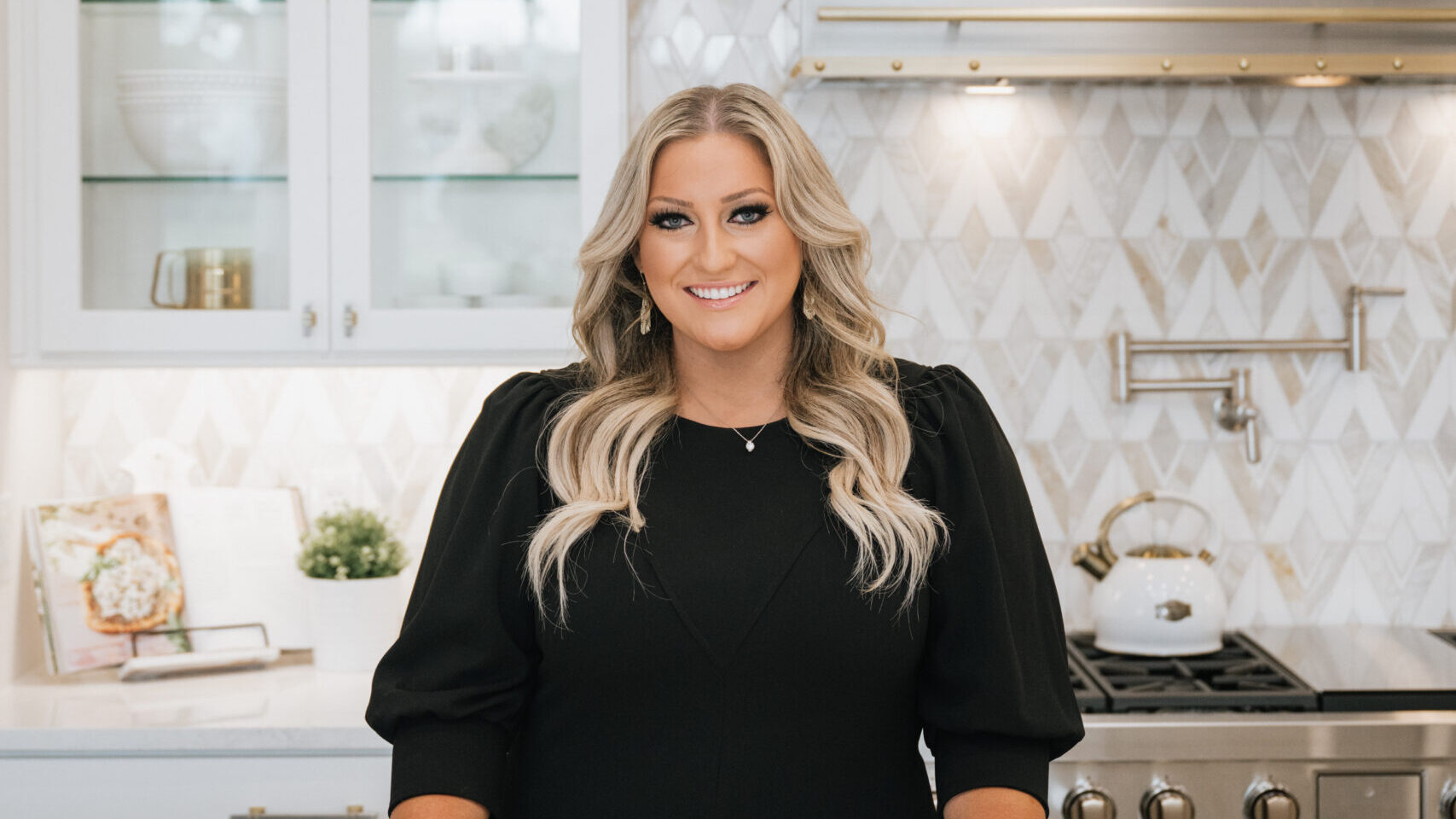
The Orlando luxury real estate market is experiencing a notable shift from the rapid-fire transactions of recent years to a more measured, strategic environment where both buyers and sellers are taking time to make calculated decisions. This development reflects broader market maturation rather than decline, according to industry professionals working directly with high-end properties in Central Florida.
“It’s turning into more of a normal market, rather than such a boom and quick,” explains Alexis Bress, Realtor at eXp Realty, who has witnessed Orlando’s transformation over the past five years. “People are taking longer to make decisions, which sellers are starting to realize. They may want to see the property three times, and they’re just being more strategic with where their money is going.”
Strategic Buyers Reshape Market Expectations
The luxury segment, defined as properties priced at $1 million and above, is seeing distinctly different buyer behavior compared to the broader Orlando market. Today’s luxury purchasers are approaching decisions with heightened scrutiny, particularly regarding property size and amenities that may have seemed essential just a few years ago.
“Buyers are definitely being more strategic and also determining if they need the size that million-dollar property is giving them, because some people have realized that they just don’t need it,” Bress notes. This shift is especially evident in Orlando’s market, where luxury properties often feature 4,000 square feet or more.
The recalibration extends from square footage to finish quality and value proposition. Luxury buyers are “expecting more out of those higher-end properties, higher-end finishes, and just expecting more for their money than they might have been a few years ago.”
Out-of-State Migration Continues to Drive Demand
Despite the more measured pace, luxury buyer demand remains robust, driven primarily by out-of-state relocations. The migration patterns show consistent geographic concentrations, with New York, New Jersey, Pennsylvania, California, and Texas representing the primary source markets for Orlando’s luxury segment.
The motivations behind these moves reflect a combination of lifestyle and financial considerations. “It’s something that a lot of people have always wanted to do, and now seems like the right time,” Bress observes. “With tax structure here, the weather here, it seems like it’s getting colder and colder up north every time I talk to clients.”
Orlando’s appeal extends beyond traditional attractions. “Orlando itself is a massive city that has grown and is really the best of all worlds, because you have so many different cultures. It’s so diversified. We are really a hub for anyone out of state, internationally.”
Pricing Strategy Becomes Critical
The current market environment has elevated pricing strategy from important to essential. Sellers in the luxury segment are adapting through two primary approaches: strategic pricing adjustments or extended marketing timelines to find the right buyer match.
“If you have to sell, we’re getting more creative on pricing strategy. And if timing isn’t a thing, then we’re working more on a timing strategy,” Bress explains. This flexibility reflects the unique nature of many luxury properties in Orlando, which often feature distinctive characteristics requiring specific buyer preferences.
Some sellers are “holding a little bit longer and waiting for the right buyer that is ready to love their property and their unique property. A lot of times that luxury market in Orlando is a more unique property that’s looking for the right buyer, so it’s taking a few extra weeks to find the right buyer.”
Creative Deal Structures Emerge
The financing landscape has evolved significantly, with seller concessions becoming standard practice across most transactions. “Most people are looking for their closing costs to be covered partially or almost completely, because they need some more cash in their pocket and can use that towards their interest rate buy down,” Bress notes.
Timeline expectations have normalized, with 30 to 45-day closings replacing the compressed two-week schedules that characterized the peak market. Buyers are using more sophisticated financing strategies, including equity extraction from other properties and bridge loans to facilitate smoother transitions.
Alternative arrangements are gaining traction as well. “We’re also seeing some rent-to-own options that some people are utilizing, especially when you’re coming to a new area, maybe you are coming from up north and you’re not used to the area, maybe renting for a year first is the way to go for them.”
Growth Areas Show Strong Investment Potential
Several Central Florida submarkets are demonstrating exceptional growth potential. Winter Garden and the New Horizon West area are experiencing significant expansion, along with Lake Nona, which continues its development trajectory.
For investors, opportunities are emerging in previously overlooked areas. “Some of the hot spots are really turning into Apopka. There’s a ton of growth happening in Apopka right now, a ton of new restaurants and shopping centers, all the things that make it feel like home are coming to the area,” Bress explains.
Ocala represents another growth market, while the Davenport and Haines City areas are attracting investor attention for their return potential. “The outskirts of Orlando are really, really popping up and growing, and I think are expected to grow a ton over the next few years.”
Market Timing and Opportunity
For prospective luxury buyers, current market conditions present compelling opportunities. The combination of increased inventory, more negotiable sellers, and strategic financing options creates favorable purchasing conditions.
“As a buyer entering the luxury market in Orlando, you have a lot of opportunity. You have ways of getting creative, and there’s a lot of opportunity out there,” Bress advises. The fundamental principle remains sound: “You can always refinance if the rate is high right now, but you’re never going to be able to purchase a lower price than you already have.”
Technology Integration in Luxury Service
The evolution of real estate service delivery is being shaped by cloud-based brokerage models and technology integration. For luxury clients, this translates to expanded resources and connectivity without sacrificing personal service.
“We have so many connections through the cloud that we are able to seem like a solid working unit, even though we’re thousands of miles apart,” Bress explains. This network effect proves particularly valuable for clients relocating from distant markets who need coordinated service across multiple locations.
The key lies in balancing automation with personal attention. “Too much automation and not enough personal, you’re never going to succeed there. But if you combine them both, I think you’re in a really good spot.”
Looking Forward
Orlando’s luxury market appears to be finding equilibrium between the frenzied pace of recent years and a more sustainable, strategic environment. While transaction velocity has moderated, underlying demand fundamentals remain strong, supported by continued population growth and economic expansion.
The market’s maturation benefits both buyers and sellers by creating space for more thoughtful decision-making and creative deal structures. For luxury market participants, success increasingly depends on strategic positioning, whether through pricing, timing, or service differentiation.
As one industry professional summarized the current environment: “Do what’s best for your family in that moment, rather than focusing on the best time to buy market-wise, because you’re always going to find what makes sense.” This philosophy reflects a market that has evolved from urgency-driven to opportunity-focused, creating conditions for more sustainable long-term growth.
Similar Articles
Explore similar articles from Our Team of Experts.