

“I think any broker who goes into this business should really concentrate on an area they know and love, because that is the key to success,” reflects Lois Kirschenbaum, a promin...

From Crisis to Opportunity: How Altus Equity Group Built a Distressed Real Estate Strategy

Written by:
Date:
21 Aug 2025
Share via Facebook

Share via Linkedin

Share via X

Copy to clipboard

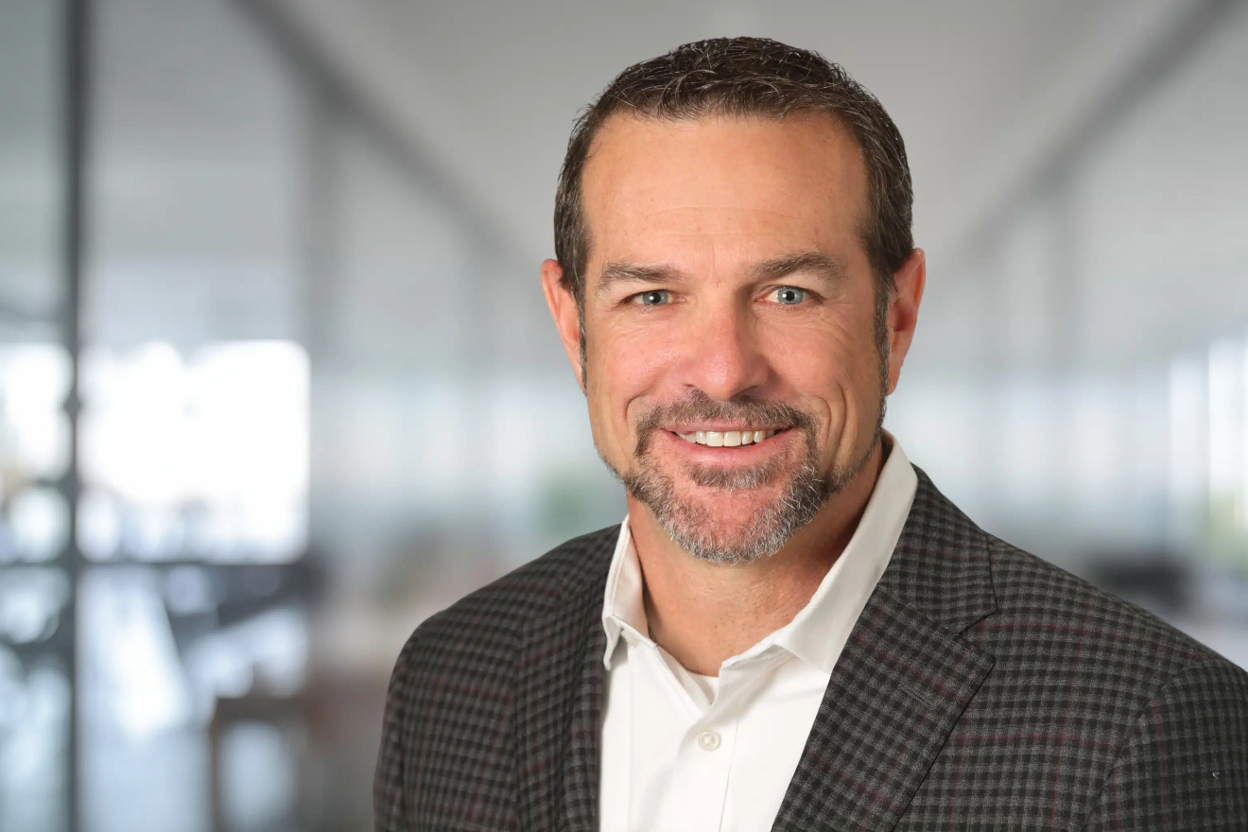
The current commercial real estate downturn has created a stark divide between those caught unprepared and those positioned to capitalize on distress. While multifamily values have dropped 30% from their peak, exceeding residential’s 23% decline during the Great Recession, experienced operators are finding exceptional opportunities in the wreckage.
Forrest Jinks, CEO of Altus Equity Group, represents the latter category. His firm recently acquired an industrial property in Mississippi for $12 per square foot, less than the cost of pouring concrete in most markets, and has secured tenant commitments at $5.50 per square foot triple net. Such deals exemplify the opportunities available to well-capitalized buyers willing to move quickly in today’s distressed environment.
Learning Through Crisis
The foundation for Altus’s current success was built through painful lessons learned during the 2008 financial crisis. Fresh out of college with a finance degree, Jinks began his real estate career by purchasing a run-down house he couldn’t afford to hire contractors for, spending months remodeling it himself while working a corporate job.
“I was making $36,000 a year, so it was really boots on the ground,” Jinks recalls. “I learned about real estate from how the sausage was made, literally learning which chemicals to clean smoke off walls and how to change out a toilet because I was doing the work myself.”
That initial property came with an extra lot in a historic district, introducing Jinks to the complexities of entitlements and regulatory approval. The experience taught him project management and deal structuring, skills he leveraged to roll profits into additional remodels and eventually apartment buildings. By 2002, he had quit his corporate job to focus on real estate full-time, describing himself as a “local cowboy type real estate investor” focused on infill development and retail center redevelopment.
The 2008 Reckoning
The financial crisis delivered harsh lessons about leverage, liquidity, and market timing. Jinks had an approved townhome development with a $1.2 million offer that he ultimately sold for $400,000, requiring the bank to provide 100% financing to the buyer.
“Pretty much all of 2007, my entire life was working with banks on how to get them paid back and sell properties,” he recalls. Despite maintaining current payments on all debt, banks couldn’t extend loans due to FDIC restrictions, forcing creative solutions to avoid defaults.
The crisis left Jinks several million dollars insolvent, requiring years to repay private investors through promise-to-pay agreements. “I ended up living in an apartment bedroom with no carpet, paying $300 a month in rent and stealing internet from upstairs,” he says.
The experience crystallized several principles that would guide his future strategy: avoid development projects with uncertain entitlement timelines, focus on cash-flowing assets, secure upfront funding rather than relying on capital calls, and maintain conservative leverage levels.
Building Altus Equity Group
Emerging from the crisis, Jinks partnered with another industry veteran who had experienced similar setbacks to form Altus Equity Group. They began by purchasing distressed single-family homes at auctions, gradually building investor relationships and expanding into larger projects.
The firm’s investment philosophy centers on properties with multiple, interchangeable tenants, multifamily, build-to-rent, small-bay industrial, and select retail, to reduce vacancy risk. “We’d rather do the extra work required to have lots of tenants than reduce our risk by having one great tenant for 10 years who then moves out, leaving us with an empty building,” Jinks explains.
Geographic focus spans Texas, California, Oklahoma, Arkansas, Mississippi, and South Carolina, with occasional opportunities in other markets when compelling deals arise through existing relationships.
Disciplined Through the Boom
While competitors criticized Altus for conservative positioning during the 2020-2024 boom period, the firm’s discipline proved valuable. “We went 25 months without buying a single property from 2022 to mid-2024 because it was frothy leading up to that, and then the market was falling,” Jinks notes.
The firm avoided adjustable-rate debt and maximum leverage strategies popular during the low-rate environment. “We got ripped by competitors for not using adjustable rate debt, not going max leverage. People told one of our employees interviewing for a job that we had no idea what we were doing,” he recalls.
That discipline, informed by 2008 lessons, positioned Altus to capitalize when distress emerged.
Current Market Dynamics
Today’s distressed environment stems from multiple factors beyond interest rate increases. Multifamily properties face rising expenses, stagnant rents, and declining occupancy while owners struggle with debt originally secured at 3.5-4% now refinancing at 7.5% or higher.
“Industrial leasing has come to pretty much a stop right now with all the tariff issues,” Jinks observes. “Office is in trouble in certain aspects. Retail stayed pretty strong, but we’ll see how that goes if the economy rolls over.”
The mathematical reality is stark for many owners. Jinks recently reviewed a multifamily ground-up development originally appraised at $150 million as-complete that now appraises at $100 million despite nearing completion. “They’re trying to bring in more capital to save it, but if you do the math, they’re already way upside down because they didn’t have 30% capital when they started.”
Such situations create opportunities for well-positioned buyers. A major multifamily lender recently approached Altus about purchasing a San Antonio note, willing to accept a 30% haircut after all equity was wiped out. “We’re seeing more and more of that, and it’s great for us because we’re buyers and we don’t have to buy,” Jinks says.
Competition and Execution Challenges
While institutional interest in distressed opportunities exists in theory, execution proves challenging. “Everybody has a plan until you get punched in the face,” Jinks notes, referencing the complexity of distressed transactions.
The recent industrial acquisition requiring 14-day closing exemplifies these challenges. “We got entity docs, operating agreements, loan docs, attorneys working 20-hour days. We’re getting a Phase One done in two weeks without even getting appraisals,” he explains.
Institutional capital struggles with such timelines. “Institutional money doesn’t move fast enough. They can’t even get us a property review in two weeks, so we’re funding this entirely on our own and may backfill with investors later.”
Even when institutions express interest, decision-making processes often prove incompatible with distressed timelines. “We had a lot of investors interested in the Dallas deal. They would ask the same questions over and over while time was ticking. It felt like they wanted to do it but didn’t want to commit.”
Investor Base and Strategy
Altus currently manages three funds: a non-performing loan fund, a liquidity fund, and an opportunity fund that remains open for investment through year-end. The opportunity fund targets distressed debt, performing debt, and opportunistic property acquisitions under $50 million. Next month, Altus will launch its fourth vehicle, the Altus Secured Income Fund, designed to provide investors with steady monthly income through a portfolio of first deed-of-trust, real estate–secured loans.
Current investors include high-net-worth individuals, ultra-high-net-worth families, and nimble family offices. Business owners represent the most receptive investor category. “Business owners have been through ups and downs. They know that in tough times, when you invest in your business, that’s when you get the biggest return,” Jinks explains.
Larger institutions face structural challenges in distressed investing. “Family offices have particular rules they follow because they have teams investing. When you have distress, things don’t fit the box as easily,” he notes, citing a recent West Texas apartment acquisition that family offices called “unbelievable” but couldn’t pursue due to guideline restrictions.
Looking Forward
The current environment presents both challenges and opportunities for experienced operators. While Jinks acknowledges portfolio issues exist industry-wide, his firm’s conservative approach and available capital provide significant advantages.
“I’m sleeping at night, and I know a lot of people in the industry aren’t because it’s really bad out there right now for a lot of people,” he says. The combination of disciplined underwriting, patient capital, and operational expertise positions Altus to capitalize on continued distress while others struggle with overleveraged positions.
For investors seeking exposure to distressed real estate opportunities, the current environment rewards those who can move quickly, think creatively, and maintain conviction when others hesitate. As Jinks puts it: “Be conservative, be conservative, be conservative, then be aggressive. When you commit, you got to go all in.”
Similar Articles
Explore similar articles from Our Team of Experts.