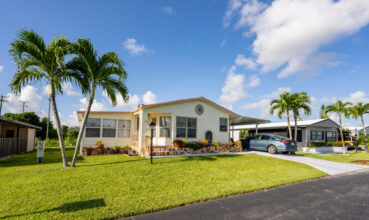

40-year industry veteran observes fundamental change in American housing preferences. The traditional American dream of a large home with a spacious yard is giving way to a new vision focuse...

Assessment Crisis Forcing Sales Among Florida Condo Owners on Fixed Incomes, Broker Says

Written by:
Date:
13 Aug 2025
Share via Facebook

Share via Linkedin

Share via X

Copy to clipboard


Florida’s condo market faces a growing crisis as aging buildings require major repairs and underfunded HOAs hit owners with massive special assessments, forcing many fixed-income residents to sell, according to a veteran real estate broker tracking the trend.
“Some of these HOAs and these condos did not manage their money well, and so they have no reserves for their just typical day-to-day operations,” says Garrett Decker, Broker Associate at NextHome At The Beach. “Now you’re having all these massive assessments to handle these things.”
The Reserve Fund Crisis
The problem stems from years of inadequate reserve funding meeting the reality of aging infrastructure needs. According to Decker, who works markets from Flagler County through St. Johns and Duval, many condo associations failed to build adequate reserves for major repairs and maintenance.
“A lot of these people who lived in these condos are on fixed incomes, and they don’t have it, so they can’t do it. So then they’re having to sell,” Decker explains. This creates a difficult situation where longtime residents face unexpected five or six-figure special assessments they cannot afford.
The timing is particularly challenging as Florida recently passed new condo reform legislation aimed at strengthening building safety and financial requirements. While the full impact remains unclear, Decker notes the reforms add another layer of complexity to an already stressed market.
Market Impact and Buyer Hesitation
The assessment crisis is creating ripple effects throughout the condo market. Decker observes that potential buyers are increasingly wary of purchasing units without thoroughly investigating the association’s financial health.
“A lot of people aren’t buying them because they don’t know what’s going on with those condos,” he says. “So then they’ve got to dive into the assessments and everything.”
This heightened scrutiny is affecting both sellers and buyers. Owners who bought at market peaks may struggle to sell at prices that cover their mortgage and pending assessments. Meanwhile, buyers must factor potential special assessments into their purchase decisions.
The Broader Market Context
The condo market challenges exist within a larger real estate landscape seeing significant inventory increases. Decker notes that active listings are up substantially year-over-year across multiple counties:
- St. Johns County: 2,632 active listings, up 18% from last year
- Volusia County: Over 3,500 active listings
- Florida overall: Nearly 120,000 active listings
“We’re seeing an uptick in closed sales from a year ago, but we’re also seeing an uptick in a lot of active inventory, new listings,” Decker explains. This increased inventory gives buyers more options but may further pressure condo sellers facing assessment issues.
Looking Forward
Decker suggests the condo market may see improvement as associations complete major repairs and establish more transparent financials. “I think we’ll see maybe an uptick in some condo sales over the next few years, because they’re going to get to those points where all those assessments have already been done, or their numbers are visible.”
This could create opportunities for investors and buyers willing to thoroughly research association finances and building conditions. However, Decker emphasizes the importance of extensive due diligence regarding both current and potential future assessments.
For current condo owners, particularly those on fixed incomes, the message is clear: review association financials carefully and prepare for potential special assessments. The combination of aging buildings, stricter regulations, and inadequate reserves may force difficult decisions for many in the coming years.
Similar Articles
Explore similar articles from Our Team of Experts.