
The real estate market has entered a period of recalibration after the rapid pace and bidding wars of the early 2020s. Buyers and sellers must now adjust to a more measured environment, wher...

Building Wealth Through Strategic Real Estate Investment in Today's Market

Written by:
Date:
01 Jul 2025
Share via Facebook

Share via Linkedin

Share via X

Copy to clipboard

The path to financial freedom through real estate investing has changed significantly over the past decade, with new opportunities emerging even as traditional barriers persist. For many professionals seeking to build wealth outside their primary careers, the challenge isn’t just finding good investment properties—it’s navigating the complexities of out-of-state investing and avoiding pitfalls that can derail financial goals.
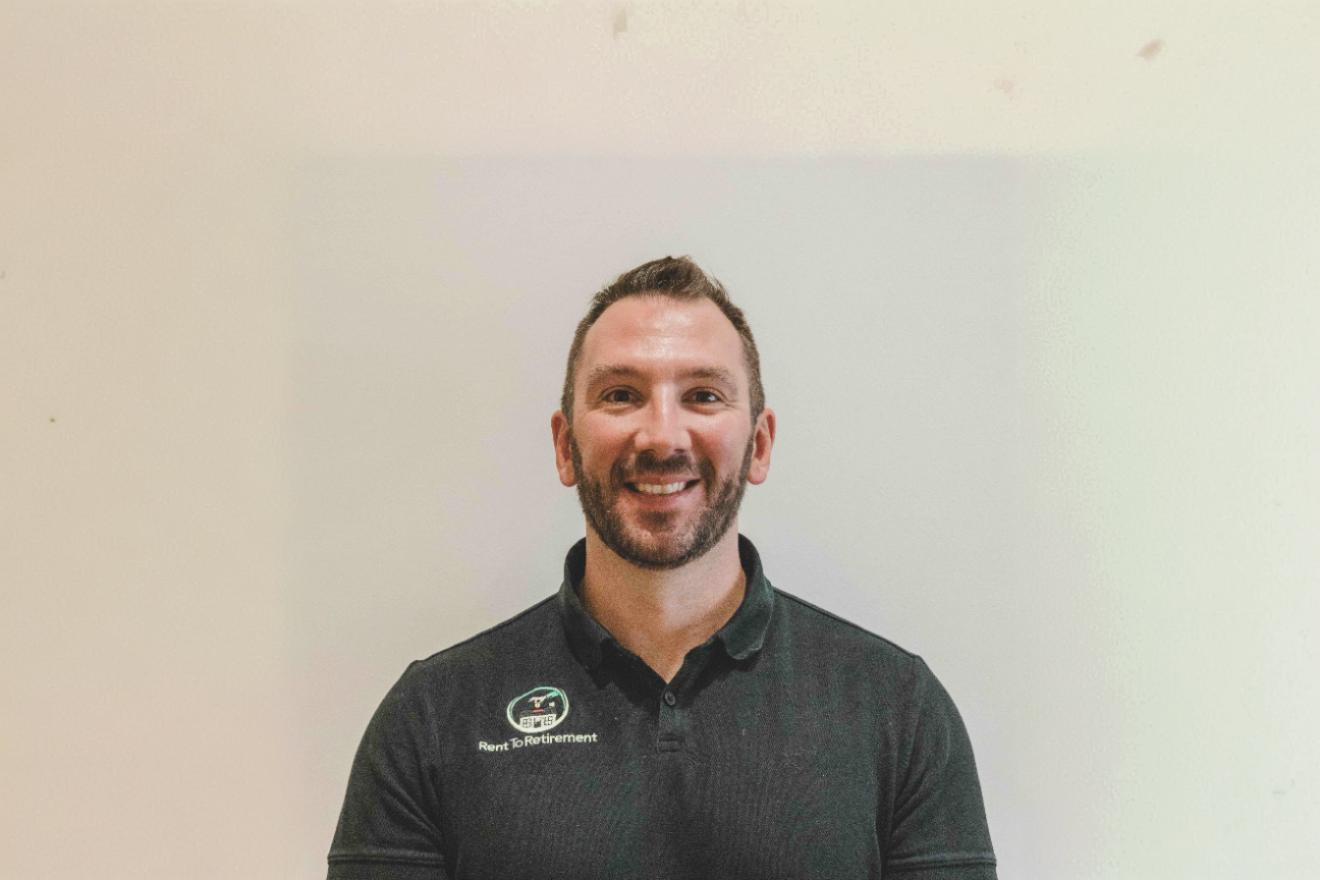
Zach Lemaster, Founder and CEO of Rent to Retirement, illustrates the potential and challenges of building a property portfolio through his journey from Air Force optometrist to full-time real estate investor. After retiring from his medical career in his mid-30s, Lemaster founded Rent to Retirement, which he describes as “the leading turnkey company in the country,” handling 900 to 1,000 properties annually across 18 markets.
The Evolution of Turnkey Real Estate Services
The turnkey model addresses a core challenge in real estate investing: accessing quality opportunities in markets where you don’t live. “Most people don’t want to or are first-time investors out of state, whether that’s because their local markets are too expensive or competitive, or simply because they want to diversify,” Lemaster explains. “Investing out of state is difficult because you have to figure out where to start, how to build your teams and systems in those areas, it’s rather daunting.”
This approach resonates with busy professionals who see real estate’s potential but lack the time or expertise to manage properties. The typical client includes professionals with capital who want exposure without management responsibilities.
“Unfortunately, what ends up happening is a lot of people end up buying themselves another full time job in real estate,” Lemaster notes. “It’s like, wait a minute, all of a sudden I’m working double the time and I’m not financially free. So where did I go wrong?”
Learning from Market Mistakes
Lemaster’s early investing experience included costly mistakes. “We had a terrible experience and lost a bunch of money,”he recalls. “We invested in low-income areas we had no business investing in. We made all the mistakes in the book, bad partnerships, wrong property managers, not screening tenants appropriately.”
These experiences led to a systematic approach to market selection and team building. The company now focuses on growth markets promising both positive cash flow and appreciation, primarily targeting single-family homes and small multifamily properties.
A key lesson: the importance of professional property management. “I don’t think anyone should self-manage properties, even though some people say they want to learn,” Lemaster emphasizes. “Your time is best spent working on your business, not in your business. Otherwise, you can be the biggest limiting factor in your business.”
Current Market Dynamics and Opportunities
Despite economic uncertainties, Lemaster sees significant opportunities. The current environment presents what he describes as unique buying opportunities due to market stagnation and investors sitting on the sidelines.
“The US has an affordability crisis right now, and it’s the worst it’s ever been,”he observes. “That’s largely due to the high appreciation we experienced from 2020 through 2022, plus interest rates being still elevated. It’s very unaffordable to buy a house in the US.”
However, this challenge creates opportunities for strategic investors. With the median US home price at $400,000, Rent to Retirement focuses on new construction single-family homes in the $200,000 to $300,000 range. “That’s going to give us the largest demographic for homeowners and buyers, but also tenants,” Lemaster explains. “You’ve got the biggest runway. They don’t have as much volatility as more expensive homes, but it’s also helping to solve the housing crisis.”
Innovative Financing Solutions
Current conditions have prompted builders and lenders to offer creative financing solutions. “Builders right now are offering incentives that are buying rates down to like 3.5% on a 30-year fixed loan, or they’re providing up to 5% to 10% cash back,” Lemaster notes.
Some arrangements are particularly attractive. “We have lenders that do 5% down on multiple investment properties. Most people think you have to put 20% to 25% down, you just don’t have the right connections,”he explains. “If you put 5% down on an investment property and the builder gives you 10% back cash at closing, that covers all of your down payment and puts money back in your pocket.”
These innovations reflect broader changes in lending, with easing requirements creating more opportunities for qualified investors.
Strategic Market Positioning
The company’s approach emphasizes real estate fundamentals over market timing. “I learned a long time ago to just turn off the news, quite frankly, because there’s always something,” Lemaster says. “We apply the fundamentals of real estate. Real estate’s a beautiful thing, especially residential, because people always need a place to live.”
This focus extends to market selection, emphasizing growth areas with strong demographic trends and employment diversity. The strategy targets markets where both rental demand and home values are likely to appreciate, providing multiple sources of return.
Looking ahead, Lemaster anticipates market changes in the next one to two years. “The market is likely changing back into a seller’s market, especially as we see some of the lending requirements changing and rates drop. More inventory will hit the market,”he predicts.
Building Sustainable Investment Strategies
For professionals considering real estate, Lemaster emphasizes having a clear strategy. “Having the right strategy and the right plan initially is very important, and financial freedom is achievable for anyone. But it doesn’t happen overnight, it also doesn’t take a lifetime. Within a few strategic years of investing in the right markets with the right teams, you absolutely can build a portfolio that can supplement or replace your income eventually.”
The key is approaching real estate investment as a business, not a hobby. This means building systems, leveraging professional expertise, and focusing on properties that align with long-term wealth goals rather than chasing market cycles or trends.
As the real estate market continues to change, the turnkey model represents one approach for busy professionals to build wealth through real estate without becoming full-time property managers. For investors willing to work with established systems and focus on proven markets, the current environment may offer compelling opportunities despite—or because of—ongoing market challenges.
Similar Articles
Explore similar articles from Our Team of Experts.