
A three-bedroom, two-bathroom home with a two-car garage in California can run $800,000 or more. The same home, brand new, in Princeton, Texas, is closing this month for $325,000, and that g...

Waterbury's Real Estate Renaissance According to Rudolph Perkins

Written by:
Date:
26 Jun 2025
Share via Facebook

Share via Linkedin

Share via X

Copy to clipboard

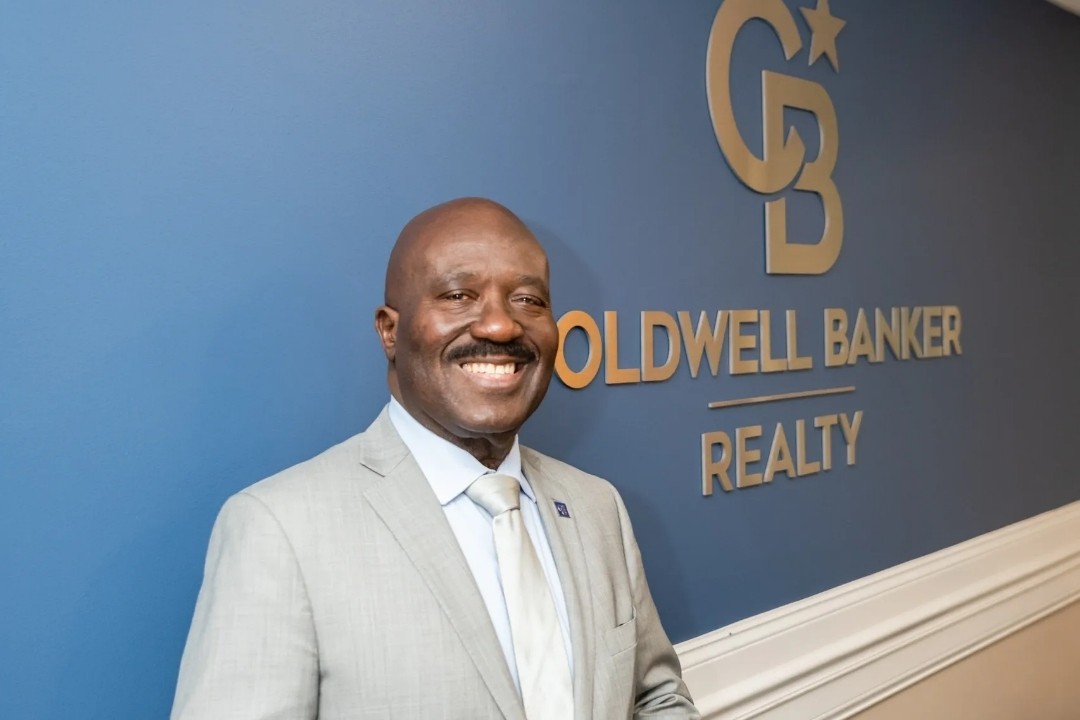
“Waterbury property values have increased approximately 20% compared to the previous year,” reveals Rudy Perkins, a seasoned real estate agent with Coldwell Banker who has witnessed Connecticut’s market evolution over more than two decades. “We’re seeing properties sell about 2% above asking price on average, with hot properties commanding up to 6% premiums.”
This remarkable growth represents the latest chapter in Connecticut’s ongoing real estate transformation, a ripple effect that Perkins has tracked from Stamford to Norwalk to Fairfield to Bridgeport, and now to Waterbury, the former “brass capital of the US.”
The Connecticut Ripple Effect: How Waterbury Became the Next Frontier
Perkins describes a fascinating economic migration pattern reshaping Connecticut’s real estate landscape. “It began in Stamford, where corporate relocations from New York City transformed the market,” he explains. “Stamford became prominent by attracting corporate headquarters. The city developed vertically, skyscrapers, hotels, corporations, everything gravitated toward Stamford.”
As Stamford prices soared, attention shifted to Norwalk, then Fairfield, and eventually Bridgeport. “Bridgeport recognized this pattern and followed suit with significant infrastructure renovations,” Perkins notes. The COVID-19 pandemic accelerated this trend, with New Yorkers seeking more space while remaining within commuting distance of the city.
The results have been substantial. “I sold a house in Bridgeport five years ago near Saint Vincent’s Hospital in the north end for approximately $350,000. Today, three-family homes in that area are selling for around $600,000,” Perkins shares. “Some sellers are asking as much as $700,000.”
Now, as buyers get priced out of Bridgeport, they’re increasingly looking to Waterbury as an affordable alternative. “People are saying, ‘I can’t afford Bridgeport, so I’ll consider Waterbury,'” Perkins explains. This migration is driving Waterbury’s current renaissance.
From Brass Capital to Investment Opportunity
Waterbury’s economic history provides crucial context for understanding its current appeal. Once America’s thriving “brass capital,” the city experienced decades of decline as manufacturing moved overseas or to southern states.
“Waterbury experienced a gradual decline. Its economy has been suppressed and relatively stagnant over the past 20-30 years,” Perkins explains. “Combined with mismanagement at both city and state levels, Waterbury has faced significant challenges.”
This economic stagnation kept property values lower than in neighboring markets, creating what is now becoming an attractive opportunity for investors and homebuyers priced out of more expensive areas. Properties in Waterbury typically remain on the market for about 43 days, a healthy pace that indicates strong demand without the frenzied bidding wars seen in overheated markets.
A Career Spanning Market Extremes
With 22 years in Connecticut real estate, Perkins brings valuable perspective to his market analysis. He began his career with a small family-owned brokerage in Bridgeport. “I started with a small company, what I would call a mom and pop operation. Father and brothers and their children,” he recalls.
By 2006, Perkins noticed early warning signs of the impending housing crisis. “We started to see changes in the market. First, major mortgage companies began failing,” he explains. “By 2007 I was making approximately one sale every two months,” compared to his previous pace of two sales monthly.
Like many agents during that period, Perkins had to adapt to survive. “Many of us took on additional work to sustain ourselves. I worked part-time for a security company, eventually transitioning to full-time there while maintaining real estate part-time,” he shares.
After weathering the downturn with Century 21 and later William Raveis Real Estate (the largest privately owned real estate company in the US), Perkins joined Coldwell Banker in 2019, where he has remained for the past five years.
Investment Opportunities and Challenges
Despite its growing appeal, Waterbury faces challenges that investors should consider. The most significant is the lack of local employment opportunities. “There are limited job options,” Perkins states directly. “People seeking employment typically commute to New Haven, where Yale University and Yale Hospital are the largest employers in the region, or to Hartford.”
This employment situation creates an interesting dynamic: “31% of homebuyers are looking outside of Waterbury,” while “69% are willing to stay in Waterbury.” Interestingly, of the small percentage of people moving to Waterbury from outside the region, most are relocating from Los Angeles rather than the New York metro area.
The city’s location presents additional challenges. “Waterbury is about an hour and a half from New York City. That extra thirty minutes compared to Bridgeport, combined with the topography around Waterbury, hills and valleys that can be challenging in winter—makes commuting more difficult,” Perkins explains.
Investment Outlook
Despite these challenges, Perkins remains optimistic about Waterbury’s investment potential. “Waterbury continues to offer good investment opportunities. Most buyers of Waterbury multifamily units aren’t residing there. They typically live in New York or as far as Bridgeport.”
The value proposition is clear: “The competitive prices allow investors to maximize their purchasing power.” While rental rates currently lag behind Bridgeport, Perkins believes “rental prices will increase over time, following the national upward trend.”
For larger investors, Waterbury offers particularly compelling opportunities. “Significant opportunities exist for investors seeking larger portfolios of 20-30 units. These prices are unmatched elsewhere,” Perkins emphasizes. “It’s also advantageous for mid-level investors willing to commit under a million dollars. They can acquire more units than in Bridgeport or New Haven while still achieving strong returns.”
Perkins does advise investors to be selective about neighborhoods. “Downtown areas might be less attractive. While prices may be lower, the community characteristics might not be as favorable as those on the outskirts.”
Looking Ahead
As Connecticut’s real estate market continues to evolve, Waterbury represents an emerging opportunity for investors seeking value in a state where coastal markets have already experienced substantial appreciation. With its affordability, competitive returns, and position as the next logical market in Connecticut’s ongoing real estate progression, Waterbury appears positioned for continued growth.
For Rudy Perkins, who has witnessed multiple market cycles throughout his 22-year career, the outlook for Waterbury is positive. As buyers and investors continue to be priced out of markets closer to New York City, Waterbury’s value proposition becomes increasingly attractive, making this former industrial center a market worth monitoring in the coming years.
Similar Articles
Explore similar articles from Our Team of Experts.