
In Santa Cruz County’s competitive real estate market, Ace Woods is redefining what it means to run a real estate company. As a second-generation top Realtor, Woods has built two succe...

Terry Harris Takes Affordable Housing Upscale in Los Angeles Development Push

Written by:
Date:
06 Mar 2025
Share via Facebook

Share via Linkedin

Share via X

Copy to clipboard

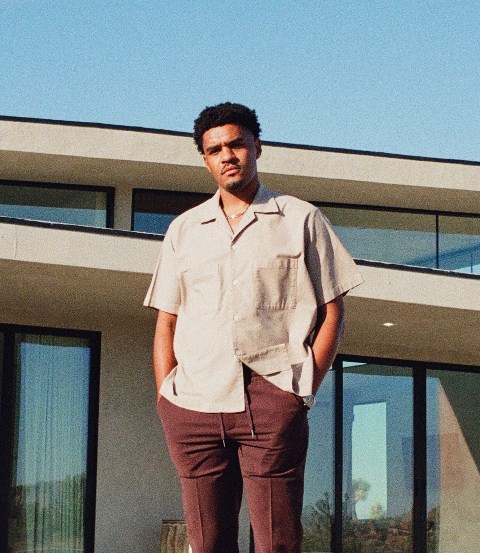
Terry Harris was playing in the NBA G League when he began fixing and flipping homes for supplemental income. Today, he leads the development of 580 units across Los Angeles as the CEO of Visionary Developments, creating thoughtfully designed workforce housing that challenges traditional approaches to affordable development.
Harris’ transition from professional athlete to successful developer may be unconventional, but his real estate philosophy mirrors his athletic mindset. “The way I approach the game is the way I’m going to approach everything else in life,” Harris explains. “Real estate has opened up and showed me a bigger picture in life.”
His developments stand out through meticulous attention to design, even in workforce housing projects. The properties feature premium finishes, quality materials, and well-crafted common spaces comparable to luxury developments. This careful consideration reflects his belief that buildings embody their creators’ values.
“When you see a developer and you see their projects, a lot of times, I can say, ‘Oh, he looks like his buildings,'” Harris notes. “I want to be thoughtful. If there’s a mechanical system that may be a little sleeker on the wall, might be a little bit more expensive, we’ll do it.”
Visionary Developments operates on two foundational principles: creating exceptional spaces and building elite teams. Despite being relatively new to development, Harris collaborates with experienced professionals across construction management, land use, and finance. This blend of innovative vision and industry expertise drives his rapid growth.
His development approach capitalizes on modern urban living trends, particularly transit-oriented development and reduced parking requirements. Using Los Angeles’ ED1 ordinance for affordable workforce housing, Harris’ projects often eliminate parking completely, cutting construction costs by nearly 50%. These savings flow into enhanced finishes and amenities.
Instead of competing in the amenities race common among luxury properties, Harris emphasizes location and accessibility. His projects focus on walkability and transit access, anticipating increased autonomous vehicle use and decreased car ownership. Developments incorporate outdoor spaces, remote work facilities, and bicycle storage.
For financing, Harris partners with Community Development Financial Institutions (CDFIs) that support mission-driven workforce and affordable housing projects. Combined with strategic use of new zoning laws and cost savings from parking elimination, this approach strengthens his project capital structure.
Harris plans to expand beyond Los Angeles and New York. “Los Angeles is the second largest market in the United States. And I’m born and raised in New York, so I’ve been having my eye out there for two, three years now,” Harris shares. He maintains a learning mindset, connecting with developers and investors who share his vision for accessible urban development.
Harris demonstrates that affordable housing need not sacrifice quality or design. His properties exemplify his commitment to creating spaces that enhance resident creativity and community engagement, establishing new standards for urban development.
Similar Articles
Explore similar articles from Our Team of Experts.