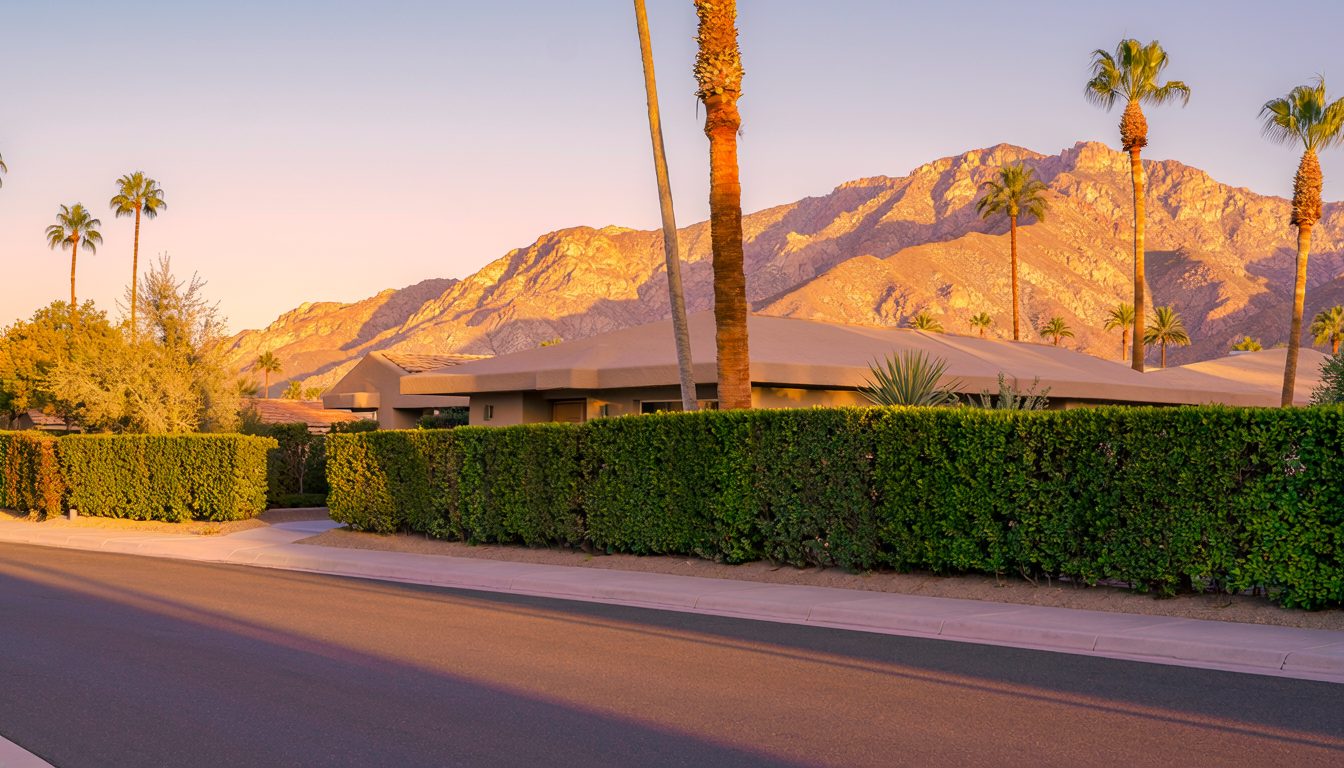
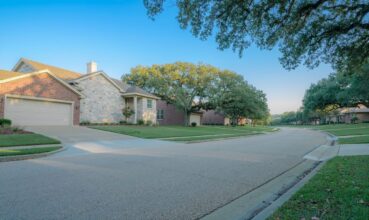
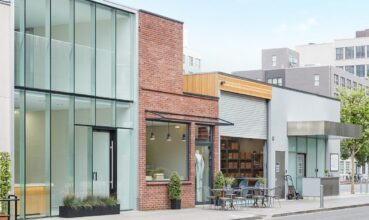
In Palm Springs, California, two homes of similar size and price can feel completely different depending on the street they’re on. For luxury buyers, the neighborhood often matters as much as the house.
Hargo Khalsa, a Realtor with Joshua Tree Modern, helps luxury buyers and investors find the right fit across the Coachella Valley. “It’s very location-specific, street to street,” he said. “It can be the difference between something feeling a little bit dodgy or feeling really luxurious and beautiful.” Here are the areas he likes and how he matches buyers to them.
Why Location In Palm Springs Changes Street By Street
Khalsa says Palm Springs has been gentrifying for about 20 years, and that process isn’t finished. In the late 1990s and early 2000s, some parts of the city had a lot of crime and weren’t places most visitors wanted to spend time.
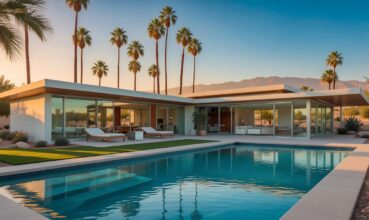
Then the mid-century modern revival took hold. People began renovating classic homes, and a culture grew around that architecture. Some neighborhoods changed completely. Others are still catching up.
“There are some areas where you’re like, whoa, where am I,” he said. “And then other areas where you feel like you’re in Beverly Hills.” For buyers coming from out of town, that uneven mix is easy to misread from a listing alone.
Old Las Palmas And Araby Cove
Khalsa often points luxury buyers toward Old Las Palmas. “There are some really amazing legacy properties over there,” he said. The neighborhood is known for its established estates and its location close to downtown.
For buyers who want views and a hillside setting, he likes Araby Cove and the surrounding area up in the hills. “If you want more of that Beverly Hills kind of feeling,” he said, “although it’s totally different. You’re on this rugged rock hillside, but with the palm trees and the beautiful views.”
Racquet Club: A Pocket Many Buyers Overlook
Khalsa calls the Racquet Club area one of Palm Springs’ hidden gems. He recently helped clients buy a late-1930s property there on a large lot with mature landscaping, a large pool, and strong views.
The home needed some work, but the price stood out. Comparable homes in other nearby areas of Palm Springs can sometimes be priced $500,000 higher or more. “They ended up with this really beautiful, special property,” he said. “That can be a cool little hidden pocket that a lot of people overlook.”
His point for buyers: the best value isn’t always in the best-known neighborhood. A buyer willing to take on some updates in an overlooked area can sometimes get more land, more character, and better views for the money.
Matching The Neighborhood To How You’ll Use The Home
Khalsa starts every search with one question: what is the home for? Full-time living, a second home, and an income property each point to different parts of the city.
Buyers who plan to live in Palm Springs full time usually care most about convenience, quiet, and daily livability. Second-home and income buyers are often drawn to areas close to downtown Palm Springs, with its boutiques, hotels, and restaurants. Rental rules also vary by neighborhood, which rules out some areas for investors before the search even starts.
“Get clear on your strategy,” he said, “and then make sure you have an agent who knows the ins and outs.” Buyers who want to learn more about his background can visit his About page.
Hargo Khalsa is a California Realtor (DRE #02058377) with Joshua Tree Modern who works with luxury buyers, short-term rental investors, and bonus depreciation buyers in Palm Springs, the Coachella Valley, Joshua Tree, Pioneertown, and California’s Central Coast. He is also a developer through Ground Space, building luxury homes in the high desert.
This article is based on information provided by the expert source cited above. It is intended for general informational purposes only and does not constitute legal, financial, or real estate advice. Readers should conduct their own research and consult qualified professionals before making any real estate or financial decisions.