By any standard measure, the resale market around Houston is balanced. The Houston Association of Realtors put metro-wide single-family inventory at 5.5 months in September, and the association’s chair has described balance as the market’s defining feature. Agents typically read four to six months of supply as balance, the range where a well-priced home should sell for market value.
Tricia Turner, a broker with the Tricia Turner Group at Realty of America who has worked the Houston market for 23 years, says that isn’t happening in the suburbs west of the city. The inventory figure counts how many homes are for sale. It says nothing about how long they have been sitting, why their owners need to sell, or what the builder down the road is charging. In Katy, Fulshear, and Richmond, those three factors are pushing prices down in a market that the numbers call stable.
How Long Homes Have Been Sitting
The first problem is the age of the listing. Much of the resale supply in West Houston has been on the market for months. The sellers have already cut prices once or twice, and when those homes finally sell, the lower prices become the comparable sales that set what the next seller can ask. “In a balanced market, you should be able to sell a home for market value,” Turner says. “However, that is not what’s happening here, because a lot of these homes have been sitting and sitting and sitting and sitting.”
The averages also mask sharp differences between neighborhoods. Turner describes one community with 18 active listings and almost no buyer interest. Five minutes away, another community draws multiple offers and sells homes in a week or less. Even Cross Creek Ranch, a master-planned community in the 77441 zip code and one of the area’s most sought-after, has homes sitting. The homes that move share a profile. They fall between $800,000 and just over $1 million, sit in communities with pools, walking trails, and gyms, and need no work. Buyers who might choose among eight homes in a single neighborhood won’t pay for updating, and they certainly won’t pay for an overpriced listing.
Underwater Sellers Set Prices Low
The stale listings would weigh on prices by themselves, but a second group of sellers is pulling them lower. Some owners who bought at the pandemic peak now owe more than their homes are worth and have to sell. Short sales have appeared in Houston, and Turner says some lenders now refuse to consider short sale applications at all, sending those homes into foreclosure. Sales like these close well below list price, and they in turn set the comps for everyone else.
Renting offers no escape for these owners. Turner says the rental market is saturated, so owners who move out and list their homes for rent often find the rent falls short of the mortgage. Those owners have to cover the gap themselves. “It’s not sustainable,” she says. Many of them will eventually sell, adding more supply at prices set by need rather than by market value.
New Construction Caps Resale
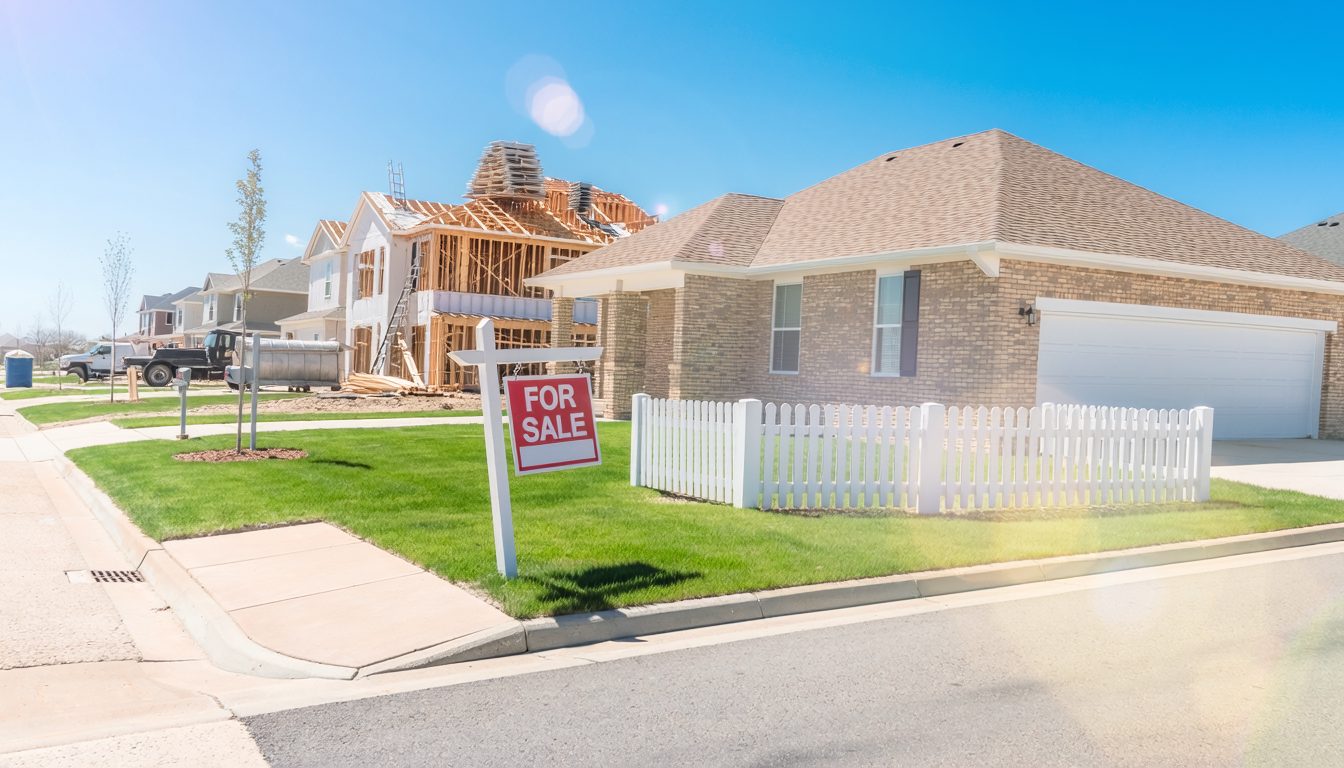
The third pressure comes from builders, who have inventory of their own to move. Most of the land in Fulshear has been platted, and Turner says two large developments are underway. Builders work on a calendar year and don’t want to carry homes into January. Texas property taxes come due by then, and penalties begin in February, so builders liquidate in the fourth quarter. One builder recently pitched Turner a full three percent in seller concessions, a rate buydown, and a price reduction for a single deal.
That leaves resale sellers competing with new homes that sometimes cost less than theirs. Some offer $25,000 toward a buyer’s closing costs, repaint, replace flooring, and price below what they believe their home is worth. In the fourth quarter, Turner often advises clients to take their homes off the market entirely unless they have to sell. For those who stay listed, new construction caps the price. No balanced inventory figure can lift a resale home above it.
Still Pricing Against the Pandemic
These forces would be easier to navigate if sellers started from an accurate number, but most don’t. Turner says they arrive at listing appointments with one of two figures. The first is a neighbor’s asking price, which reflects what one seller hoped for, not what any buyer paid. The second is an estimate from ChatGPT. Texas is a non-disclosure state, so AI tools can see only a range of sold prices, while agents with MLS access see the exact sale price, the days on market, and every reduction along the way. “They’ll say, ‘Well, ChatGPT says my home is worth X – why are you not showing that number?’” Turner says. “You’ve got to paint the picture. Where did you get this number from, and why?”
Beneath both anchors sits the pandemic. Between 2010 and 2019, the median price of a Houston home sold through the MLS rose about 69 percent, or roughly 6 percent a year. Then, in the single year from early 2021 to early 2022, the Federal Housing Finance Agency measured a 14.3 percent jump. Prices have gone essentially flat since, and the median single-family price stood at $325,000 in September. Sellers who still carry the peak number in their heads feel any reduction as a loss. “You’re not giving your house away,” Turner tells them. “You’re just actually being repriced back to what your value is right now.”
When sellers begin with inflated anchors, the market usually corrects them before their agents can. Turner estimates that eight out of 10 of her sellers have to watch their homes sit unsold before they accept the price, paint, and flooring recommendations she gave at the outset. That pattern explains much of the stale inventory. Many of the homes sitting longest started too high and have been chasing the market down ever since.
Waiting Won’t Bring Prices Back
The obvious question is whether the market will start behaving like a balanced one on its own. Turner expects inventory to hold in the five-to-six-month range through the spring, and she sees mortgage rates as the deciding factor. Freddie Mac’s 30-year fixed rate averaged 7.40 percent in mid-October, up from about 6.5 percent in July. Turner says buyers pull back as rates move toward seven and a half percent. Until rates ease, the market will stay balanced on paper and soft in practice.
Some sellers respond by planning to wait a year, and Turner argues against it. More new construction will come online by spring, not less, and resale homes will compete against a larger supply. “If you wait until next year, your odds of your value being higher are slim,” she says. Demand could eventually shift. Most current buyers are local move-ups, but Turner expects data center construction to draw job seekers to Texas within the next six months. Texas ranks second only to Virginia in data center building and is on track to overtake it. Closer to home, Tesla has proposed a $10.1 billion solar cell and module factory on roughly 3,050 acres near Richmond, which it projects would employ more than 9,700 people. The company is still weighing an out-of-state alternative, but even if those jobs arrive, the region’s supply of land means new housing can keep pace with the people who come for them.
In the meantime, Turner says the work required to sell a home has tripled in both time and marketing spend. She calls it a market she hasn’t seen in 23 years, and she says the high producers she knows agree. “Your grit has got to be even higher,” she says.
About the Expert: Tricia Turner is a broker with the Tricia Turner Group at Realty of America in West Houston, Texas, specializing in residential listings across the Katy, Fulshear, and Richmond markets.
This article is based on information provided by the expert source cited above. It is intended for general informational purposes only and does not constitute legal, financial, or real estate advice. Readers should conduct their own research and consult qualified professionals before making any real estate or financial decisions.