Sacramento’s reputation as a value alternative to the Bay Area helped fuel years of inbound migration and rising prices. Now, with that migration wave largely absorbed and economic uncertainty keeping both buyers and sellers cautious, price reductions are becoming routine – and no neighborhood, however popular, is exempt.
Jim Anderson, an agent with Windermere Signature Properties who has worked the Sacramento market for 29 years, says the shift is visible in his daily MLS searches. “I’m seeing more down arrows,” he says. “The prices, the reductions – I just made that comment an hour ago to one of my colleagues in the office.”
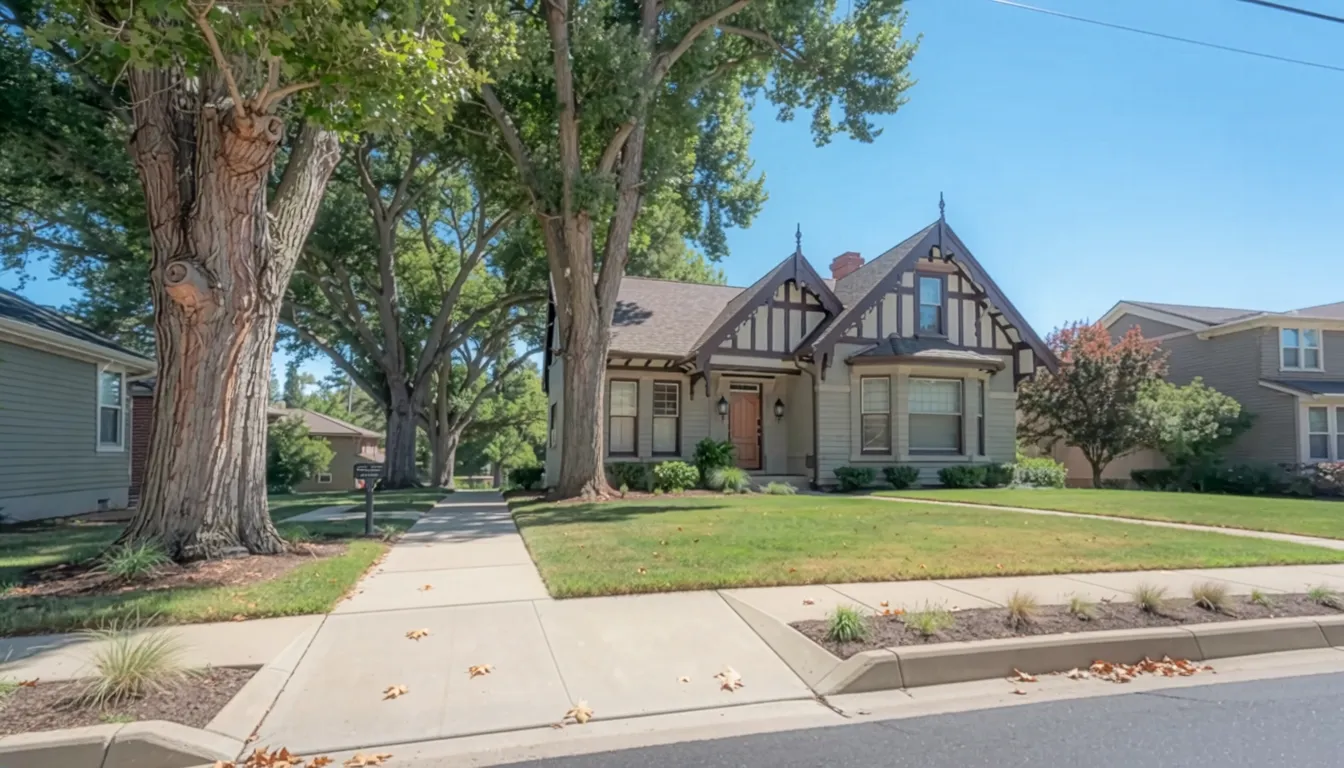
The pattern is not concentrated in weaker pockets. Established neighborhoods like Land Park, East Sacramento, and Greenhaven – areas where listings historically moved fast – are all sitting longer and softening in price. Anderson sees no area outperforming another. “I think they’re all pretty equal right now,” he says.
The Bay Area Pipeline Has Slowed
Sacramento’s affordability advantage was built partly on Bay Area transplants who could sell a condo for a million dollars and buy a home with far more space for less. Anderson describes working with a couple in their early 30s who did exactly that – selling a Bay Area condo for $1 million and purchasing an $800,000 home in Sacramento.
That wave, however, has slowed considerably. Three or four years ago, according to Anderson, the Bay Area influx was a noticeable market driver. Today, most of his buyers are local. The transplants who arrived during that earlier period have settled in and are now becoming move-up buyers within the Sacramento market rather than bringing new outside capital.
“They’ve decided they like it here,” Anderson says. “They can commute, they can work from home, and they’ve got more space here.”
The result is a market that has lost one of its primary demand sources. Homes in the $500,000 to $600,000 range are still selling, according to Anderson, but without a steady stream of Bay Area buyers arriving with outsized purchasing power, the pace across most segments has slowed.
Flippers Are Being Crowded Out by Owner-Occupants
One of the clearest signals of how the market has tightened is in the investment segment. Anderson says he receives calls roughly every other day from investors looking for flip opportunities, but the inventory is not there.
The reason is straightforward. Prices and interest rates have risen enough that the math no longer works for a short turnaround. Owner-occupants who plan to stay in a home for years will pay more than a flipper can justify, because their longer time horizon absorbs the higher cost of buying. “They’ve got a future in that house,” Anderson says. “They don’t have to flip it and turn it over in 90 days. They’ll pay more money.”
That dynamic means buyers who intend to live in a property are consistently outbidding investors for the same homes – reducing the supply of viable flips even when demand from investors remains strong.
For investors willing to deploy capital, Anderson steers them toward multi-unit properties in Midtown or south of downtown – but he is blunt about the difficulty. “I would tell an investor that it’s going to be tough,” he says. The limited inventory of investment-grade properties, from duplexes to small apartment complexes, means competition for those deals is intense.
Buyers Are Watching and Waiting for Price Drops
The price reduction trend is not random. Anderson believes buyers are actively tracking specific properties and waiting for cuts before making offers. He cites a listing in Roseville, just north of Sacramento, that he priced at $850,000. After sitting on the market, his sellers agreed to a $75,000 reduction. Three offers came in, and the property sold above the reduced price.
The pattern suggests buyers are not absent – they are strategic. “They’re watching specific properties that they have interest in, waiting to see if those are going to come down before they make an offer,” Anderson says.
For sellers, this creates a painful dynamic: the original asking price may not attract any activity, but a visible reduction signals to waiting buyers that negotiation is possible – and can trigger competitive offers that recover some of the cut.
The Zillow Gap
Pricing conversations with sellers follow a predictable script, according to Anderson. He asks every seller what they think their home is worth and where they got that number. About 80% cite Zillow.
From there, Anderson walks them through comparable sales – active listings and closed transactions for similar properties – sometimes physically driving sellers to look at competing homes. The goal is to close the gap between a Zillow estimate and what the market will actually pay.
“In your eyes, your house is the best house on this block,” Anderson tells sellers. “But in the eyes of a buyer, they’re looking at the best value on this block.”
In older neighborhoods like Land Park, condition has become the dividing line. Buyers paying today’s interest rates and elevated prices want homes that are already updated. According to Anderson, remodeled homes in those neighborhoods still command strong prices. Unrenovated homes in those same areas sit longer.
A Market Tilting Toward Flexibility
Anderson’s forward-looking read centers on one shift: contingencies. He expects sellers will increasingly accept contingent offers – particularly from buyers who need to sell a current home before purchasing. That flexibility was hard to come by when the market was hotter, and sellers could choose among multiple clean offers.
“Buyers are going to have more flexibility with the sellers on the contingencies,” Anderson says. “Sellers are going to allow more contingencies.”
For buyers who have been waiting on the sidelines, that shift means more room to structure deals around their actual circumstances – selling one home to buy another – rather than competing against cash offers or waiving protections to win a bid. For sellers, accepting those terms may be the price of attracting offers in a market where buyers have the patience to wait.
About the Expert: Jim Anderson is an agent with Windermere Signature Properties, covering the Sacramento, California market, and has worked the area for 29 years.
This article is based on information provided by the expert source cited above. It is intended for general informational purposes only and does not constitute legal, financial, or real estate advice. Readers should conduct their own research and consult qualified professionals before making any real estate or financial decisions.