A listing tells buyers how many bedrooms a home has, when the kitchen was updated and how big the yard is. It rarely says how the house is built to handle the weather where it sits, whether that means hurricane season on the Gulf Coast, wildfire season in the West or a week of ice in the Northeast. Most buyers learn that part after closing, during their first big storm in the home.
Pearl, a ratings and standards company, is working to put that information in front of buyers before they make an offer. Pearl SCORE™ is the national standard for how homebuyers evaluate home performance. It rates every single-family home in the U.S. across five pillars: Safety, Comfort, Operations, Resilience, and Energy. Weather readiness is measured under Resilience.
What the Resilience Pillar Looks At
Resilience answers a practical question: is this home prepared for the major weather events common in its area, such as flooding, wildfires, hurricanes and severe winter storms? It does that by looking at the features a home has in place, not by labeling a neighborhood as good or bad.
Location still shapes the result. Pearl weighs certain features more heavily depending on where a home is, so a feature counts most where it is most relevant. The pillar’s point allocations are based in part on guidance from the Federal Emergency Management Agency, the National Fire Protection Association and the American Society of Civil Engineers, as Pearl outlines on its Pearl SCORE™ standards page.
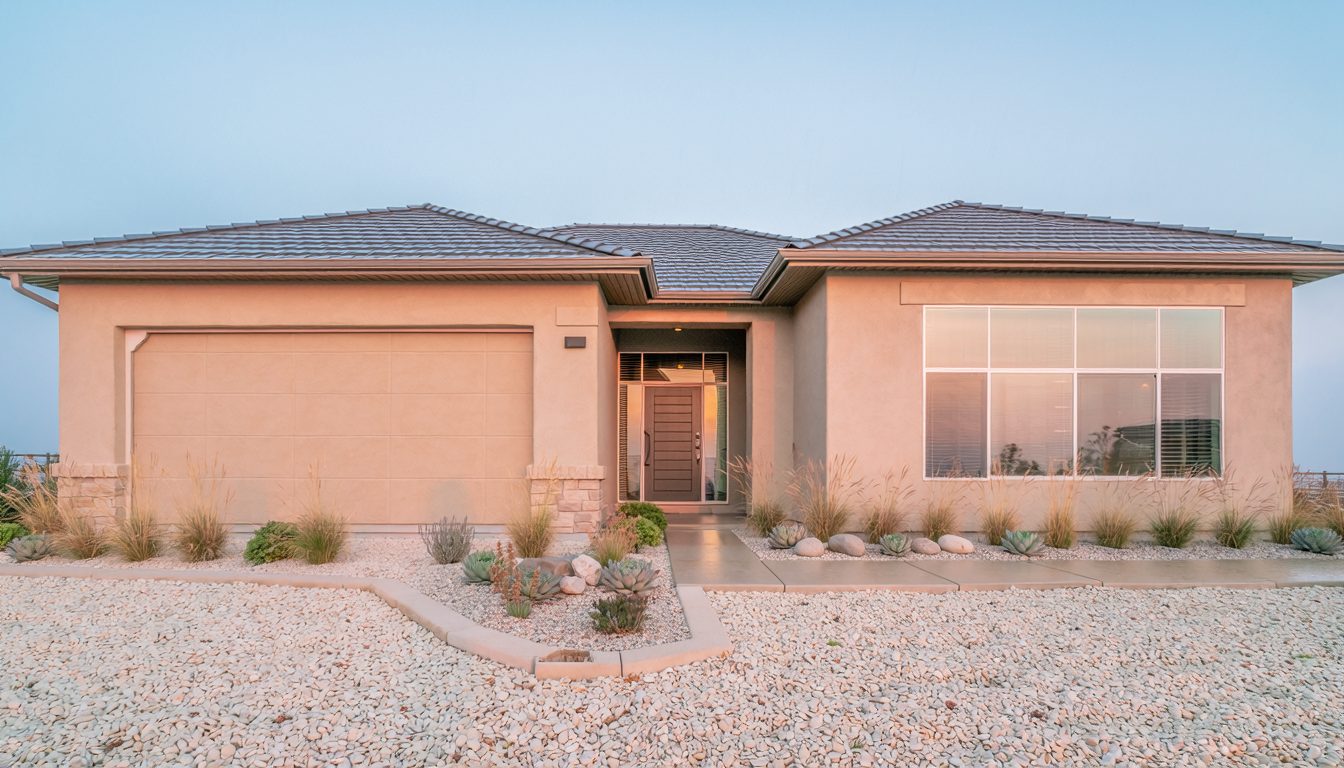
The features themselves vary by region. In high-wind areas, that might mean connections that hold the roof to the walls more securely than standard construction does. In wildfire country, it could be fire-resistant landscaping, a gravel border around the foundation or exterior sprinklers along the roofline. In wet climates, it might be drainage that carries water away from the house and a dependable sump pump.
Where Weather Readiness Fits Among the Hidden Costs of Buying a House
Buyers usually budget for the down payment, closing costs, taxes and the mortgage. How a home handles its local weather is a less visible part of what it costs to own, and it tends to surface as questions buyers wish they had asked sooner. What does this home need to get through a typical storm season here? Which features are already in place, and which might be worth adding?
Knowing the answers before an offer helps buyers plan. They can set aside money for an upgrade, prepare for their first season in the home or factor the information into which home they choose. It gives buyers the same kind of detail about weather readiness that they already expect about square footage.
What Each Research Option Tells a Buyer
No single source answers every weather question, and each one covers different ground.
Public hazard maps, such as FEMA flood maps, describe the area around a property. They say little about the house itself.
The seller’s disclosure reflects what the seller knows and is required to report, which varies from state to state.
A home inspection confirms that systems and components are working on the day of the visit. It isn’t designed to evaluate how prepared a home is for a specific type of storm.
An insurance quote shows what coverage will cost. It’s worth requesting early in the search rather than after an offer is accepted.
A Pearl SCORE™ Report shows the home’s Resilience features alongside its results for the other four pillars, so buyers see weather readiness in the context of the whole home. When a home hasn’t been claimed by its owner, the report suggests questions buyers and their agents can bring to the seller or listing agent to confirm whether certain features are present.
Questions to Ask Before You Make an Offer
A few direct questions can fill in what the listing leaves out:
- How has the home held up during the heaviest rain, wind or snow since you’ve owned it?
- Has water ever entered the basement or crawl space, and what was done about it?
- Have you made upgrades for wind, water, fire or ice, and is there paperwork for them?
- Which of the features common in this area does the home already have?
Buyers can look up the Pearl SCORE for any single-family home in the U.S. for free in the Pearl app before scheduling a tour. Starting there lets them walk into a showing knowing which weather questions matter most for that address.
About Pearl
Founded in 2013, Pearl is a ratings and standards company building the national standard for home performance. Pearl SCORE™ rates every single-family home in the U.S. across five key pillars — Safety, Comfort, Operations, Resilience, and Energy — so homebuyers, homeowners, and real estate professionals can understand how a home performs in daily life. As a Certified B Corporation, we’re accountable not only to our shareholders, but also to the homeowners and communities we serve. For more information, visit pearlscore.com.
This article is based on publicly available information from Pearl. It is intended for general informational purposes only and does not constitute legal, financial, or real estate advice. Readers should conduct their own research and consult qualified professionals before making any real estate or financial decisions.