When Cambridge removed single-family zoning citywide, headlines split predictably between housing breakthrough and neighborhood teardown. Neither version captures what Ed Feijo, a luxury real estate agent with Coldwell Banker Realty and Team Partner at Gail Roberts who has focused on Cambridge for more than two decades, is seeing on the ground. Development activity has accelerated, and pricing dynamics have shifted, but the effects vary sharply depending on where in the city a property sits – and what kind of buyer shows up.
“We’re seeing a lot of activity, a lot of building permits being pulled for things to be processed,” Feijo says. But across Cambridge’s distinct neighborhoods, the rezoning is producing different outcomes – some anticipated, some not.
The Rezoning Hits Small-Lot Properties Hardest
The most direct impact has landed on two- and three-family structures sitting on smaller lots. Before the change, owners of those properties had limited options for expanding or redeveloping. Now, according to Feijo, both pricing and developer interest in those properties have climbed. “Those are the ones that have gotten affected the most as far as being able to create more on a smaller footprint,” he says.
What developers are building with that new flexibility varies. Some are maximizing unit count, while others are going in the opposite direction – building fewer, larger units on sites that could accommodate more. “Where they might be able to build eight units, some developers are building larger four-unit buildings or three-unit buildings,” Feijo says. The calculus depends on the developer’s read of local demand, and in Cambridge, that demand is pulled in several directions at once.
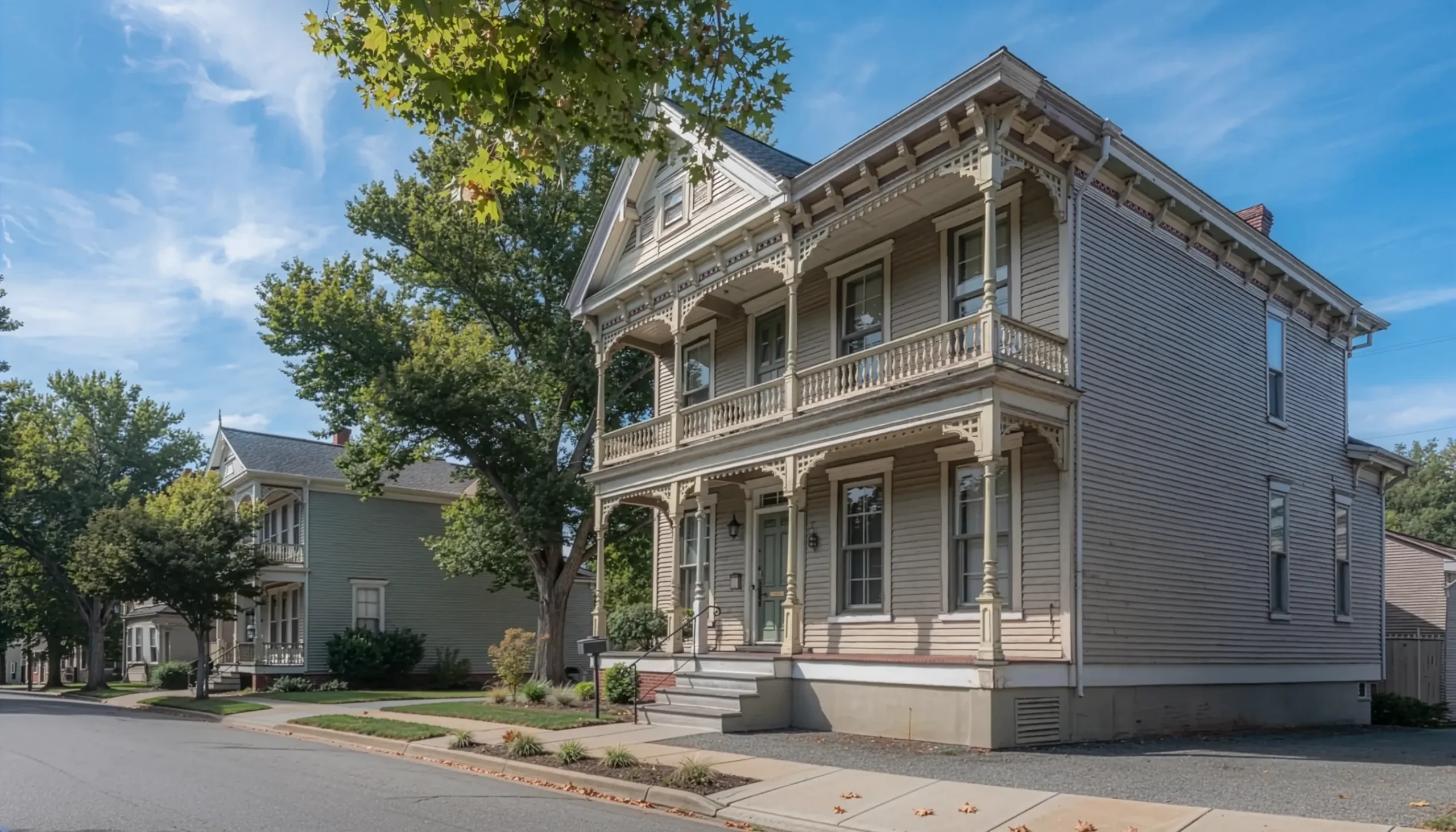
The policy’s reception among existing residents is similarly split. Feijo sees clear value in increased density along the city’s commercial corridors – Mass Avenue, Broadway, Cambridge Street – where restaurants, foot traffic, and transit already support it. The friction surfaces in quieter residential areas. “Where you have single-family homes and you’re in West Cambridge, which is predominantly single-family and two-family housing, now you have an opportunity to build a large 9,000-square-foot structure or more right next door,” he says. “That changes the look and feel of those neighborhoods.”
When End Users Outbid Developers
One underappreciated consequence of the rezoning is how it has complicated seller expectations. Properties that might once have attracted only families now draw developer interest as well – but that does not always mean a higher sale price.
End users sometimes pay more than developers because they are not factoring in a profit on the other side of the transaction. “The end users aren’t looking to make a profit on the other side of it, so they are able to pay a little bit more sometimes than a developer might,” Feijo says. For sellers, the decision about which offer to accept depends on what the property actually is – a renovation candidate likely to attract developers, or a turnkey home in a desirable location where families will compete.
The biggest point of friction in developer deals, according to Feijo, is seller psychology. Sellers often focus on the profit a developer will eventually extract from the property, which makes accepting a lower offer feel like leaving money on the table. “Sometimes sellers are thinking, ‘This person’s gonna make all this money on my property once they fix it.’ I think that’s the biggest hurdle,” he says. Helping sellers understand what a developer’s costs actually require is a consistent part of the listing conversation.
Feijo says his team walks sellers through all the options: what could be built on the site, what it would cost, and what developers typically need in return. Properties in excellent condition in high-demand locations still attract end users willing to pay a premium. Properties that need renovation are where the developer conversation becomes most relevant.
A Slower Luxury Market, a Cautious Buyer Pool
Above the $4 million mark, the Cambridge market has slowed. Feijo describes buyers as “more timid” than they were even a year ago, taking longer to commit and occasionally backing out for emotional rather than financial reasons. “People are definitely taking pause and thinking things through much clearer than they were before,” he says, drawing a contrast to the urgency that characterized pandemic-era purchasing. “During COVID, people were just buying to get a house. Now it’s sort of like they have a little bit more opportunity to slow down.”
Well-prepared properties are still moving. Feijo cites a recent luxury listing priced at $6.5 million that went into agreement in four days, over asking, after staging, photography, and a networking push. In a market where buyers have the time to be selective, condition and presentation carry more weight than they did when urgency drove decisions.
A Gap in the Market
For investors considering Cambridge, Feijo identifies a specific shortage: large single-floor condominiums with elevators and garages. “We have a very small amount of those available,” he says. The city’s buyer base – drawn by Harvard, MIT, the biotech corridor, and nearby hospitals – includes professionals relocating from cities like San Francisco and New York who want urban convenience without suburban sprawl. Cambridge, a city of fewer than 120,000 people, offers what Feijo calls an “urban suburban” environment: public transportation, restaurants, and walkability, but on a small enough scale that residents can still have a house and reach things at an easy pace.
That buyer profile – academic, medical, and biotech professionals who want single-level living with amenities – is not being fully served by the current supply. Feijo says he is encouraging builders to think about one-story living as a development direction.
What the Fourth Quarter Will Reveal
As the fourth quarter begins, Feijo says he is watching luxury listings that have not sold. December and January are historically the city’s slowest months. The question is whether unsold properties come off the market temporarily and return in the spring, or disappear altogether. “It’ll be very interesting to see if those properties go off the market and come back, or go off the market and stay off,” he says. The answer will shape how sellers and developers price their expectations heading into next year.
About the Expert: Ed Feijo is a luxury real estate agent with Coldwell Banker Realty who has focused on Cambridge, Massachusetts, for more than two decades.
This article is based on information provided by the expert source cited above. It is intended for general informational purposes only and does not constitute legal, financial, or real estate advice. Readers should conduct their own research and consult qualified professionals before making any real estate or financial decisions.